Posts

Cook County Finally Agrees: Live Music and DJ Sets ARE Art

Screen Shot 2016-10-14 at 4.01.26 PM

Back in August, Cook County, which also includes the city of Chicago, attempted to pass a new law that to ensure that rock, rap and electronic music were not seen as art in the eyes of the taxman.

The goal was to levy a tax on small venues in the county that feature live music. If approved, the legislation would have required establishment to pay heavy back-taxes and fines, as well as taxes in the years to come — an economic burder that would have crushed the finances of most venues and driven them out of business.

Today however, Cook County Commissioner John Fritchey announced that an agreement has been reached to change the rule in question so that live music and DJ sets are in fact considered an art form. Other local key officials have agreed with the Commissioner, including local Cook County Board President Toni Preckwinkle’s administration, representatives from the City of Chicago, and industry stakeholders. The official hearing on the amendment to the county’s amusement tax ordinance will take place October 26.

In the official press release Fritchey stated, “This agreement makes it clear that it was never the intent of the Administration for the County to play culture police and make decisions on what is, or isn’t, music or art, and that fact is bolstered by President Preckwinkle’s desire to co-sponsor my amendment. By bringing together public officials and music industry representatives, we were able to arrive at language that all parties agree recognizes the diverse and robust nature of live music while providing the County with the ability to collect those taxes that are legitimately owed to it.”

Metro and Smartbar owner Joe Shanahan weighed in happy that this agreement has been reached, “These musical styles are all recognized as art around the world and Chicago is rightly recognized as the birthplace of some of the best-known artists,” he stated in the press release. “This agreement confirms that government officials should not be the arbiters of what constitutes art while affording small venue owners a sense of certainty as they continue to present musical talent to Chicagoans and the many visitors who flock to our venues based on our city’s international reputation as a music capital.”
 

Cook County Commissioner Attempts to Exempt Clubs Featuring DJs from Amusement Tax

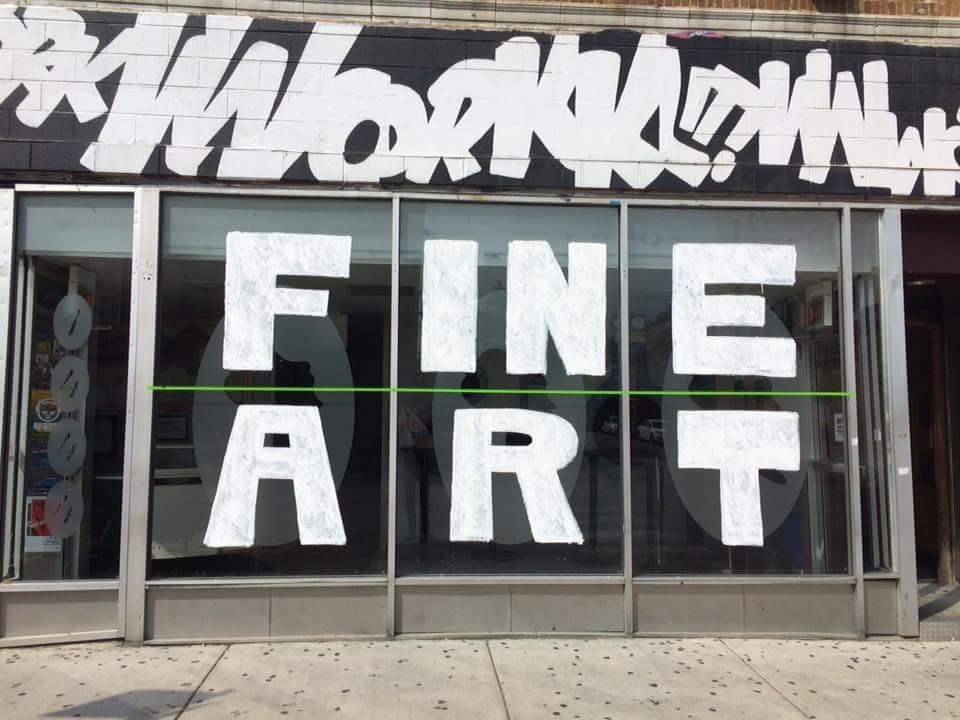
Beauty Bar's current shop front, emblazoned with the words "Fine Art" in protest to the current court case pending with Cook County.

Beauty Bar’s current shop front, emblazoned with the words “Fine Art” in protest to the current court case pending with Cook County.

Last week Cook County made headlines when attempting to levy heavy back taxes, fines and impose future taxes on two small music venues in the City of Chicago by claiming that rock, pop, country and electronic music do not count as “music” or “culture.”

Despite an official hearing on the matter scheduled for October 17th, a Cook County board member took it upon himself to attempt to change the amusement tax ordinance in order to ensure that the two venues being targeted by the county – Beauty Bar and EvilOlive – are not forced to pay the combined $400,000 requested in the current court case.

Commissioner John Fritchey filed his amendment of the 19-year-old law yesterday, Tuesday August 30th. The original law states that venues with capacity exceeding 750 people must pay 3 percent of ticket prices for live performances of music, theater, sports and other entertainment. A Cook County official insisted in a preliminary hearing last week that “rap music, country music, and rock ‘n’ roll” do not fall under the purview of “fine art.” A change.org petition is currently doing the rounds urging the county to “vote Rap, Rock and DJ sets as Fine Art!”

Under Fritchey’s proposed changes, shows featuring DJs would be explicitly exempted from the tax. “I don’t believe that government should be playing culture police and deciding what constitutes ‘music,'” Fritchey stated. “Going after small businesses who have in good faith complied with what should be a common sense reading of the law is just plain wrong, and to have it happen in a city that has given the music industry some of its most famous DJs and rappers just adds insult to injury.”

Fritchey also sent a letter to Board President Toni Preckwinkle asking that the county revenue department stop attempts to collect back taxes from other businesses similar to the two being targeted by the council as long as they have complied with city policy.

Cook County spokesman Frank Shuftan spoke to the Chicago Tribune stating that officials had not yet reviewed the ordinance and could not immediately comment.

In an earlier interview with the Tribune earlier this week, Cook County chief financial officer Ivan Samstein stated that the county does not look into music genre as a barometer for which venues are exempt from the tax or not, but did specify that officials can and do differentiate between DJs playing original productions and DJs playing pre-recorded music in a DJ set.

“If a DJ is creating a new, original composition in the way they put sounds together, then that is also tax-exempt,” Samstein said.

Fritchey’s amendment of the contested law mirrors the aforementioned differentiation: DJ music would count as a live musical performance if the DJ was mixing their original work or used prerecorded music they compiled themselves. The amendment also states that the performer must be paid a fee that is “substantially higher” than someone who simply plays music recordings. Other exemptions exist under the proposed law change, including if the performer is featured in advertisements from the venue or if the DJ is being represented formally by a manager or agent.

H/T: Chicago Tribune

Live Performances of Rock, Country, Rap and Electronic Music Do Not Count as “Music” or “Culture” According to Cook County

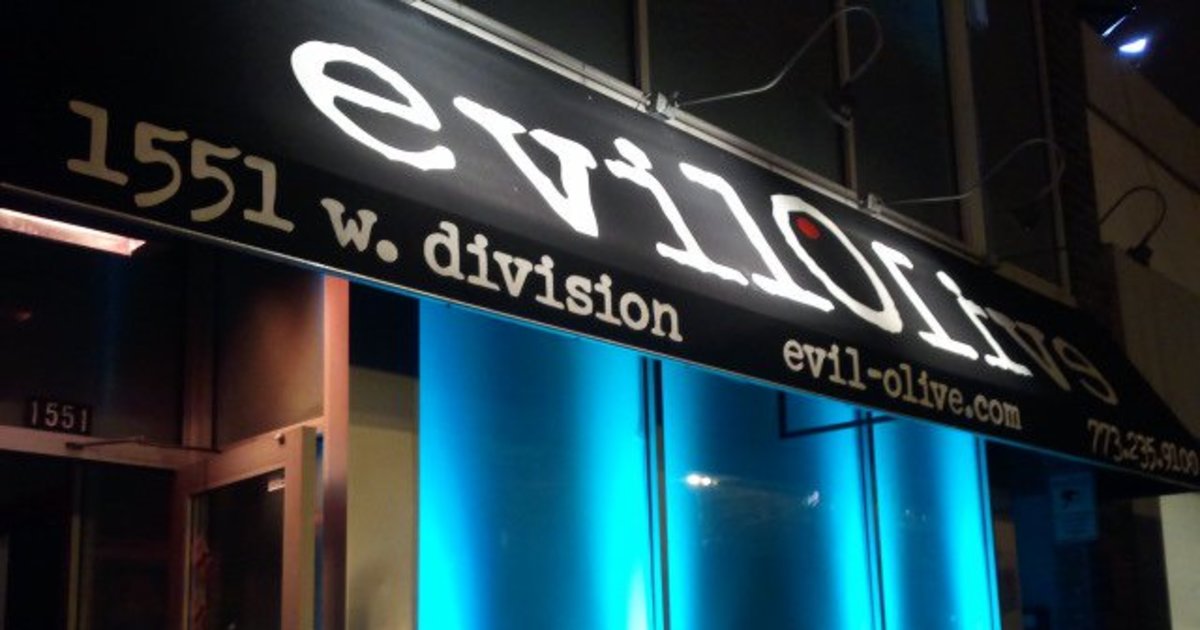
EvilOlive

In an official hearing today, a Cook County official reinforced the county’s controversial position on what they consider “music” and “culture” by stating that live performances of rock, country, rap and electronic music do not fall under those two categories.

While the position seems shocking to say the least, it comes as an attempt by Cook County – which containing the City of Chicago is the second-most populous county in the United States after Los Angeles County, California – to enforce small venues to pay a 3% amusement tax on all ticket sales and cover charges. While at first the position by officials arguing the case was that small venues featuring DJs and electronic music were not exempt by that tax, Anita Richardson, the hearing officer appointed by the county inferred today that only venues that booked small chamber orchestras, symphony orchestras, or operas should be entitled to the tax break. In her opinion, venues that play other music should have to pay up.

“Rap music, country music, and rock ‘n’ roll” do not fall under the purview of “fine art,” she stated.

The county is going after several of Chicago’s small venues such as EvilOlive and Beauty Bar, who both feature electronic lineups weekly, in an attempt to collect back taxes of up to $200,000 including interests and penalties for the past six years. The specific county code in question states that smaller venues with capacity of 750 or less are not liable to pay the tax as  long as any cover charges or admission fees are for “in person, live theatrical, live musical or other live cultural performances.” The code goes on to describe and define live music and live cultural performances as “any of the disciplines which are commonly regarded as part of the fine arts, such as live theater, music, opera, drama, comedy, ballet, modern or traditional dance, and book or poetry readings.”

Cook County Commissioner John Fritchey says the county’s language “harkens back to the days of the 1950s when rock ‘n’ roll wasn’t considered music.” He adds, “No pun intended, but I think the county is being tone deaf to recognize opera as a form of cultural art but not Skrillex.”

At a hearing scheduled for October 17 the two aforementioned Chicago establishments will present evidence, including live music and testimony from a musicologist, in an effort to budge the hearing officer from her opinion regarding the cultural value of DJ performances. It appears that both venues are simply test cases for the country, a first attempt to see if it can wring any more tax revenue from the city’s live-music industry.

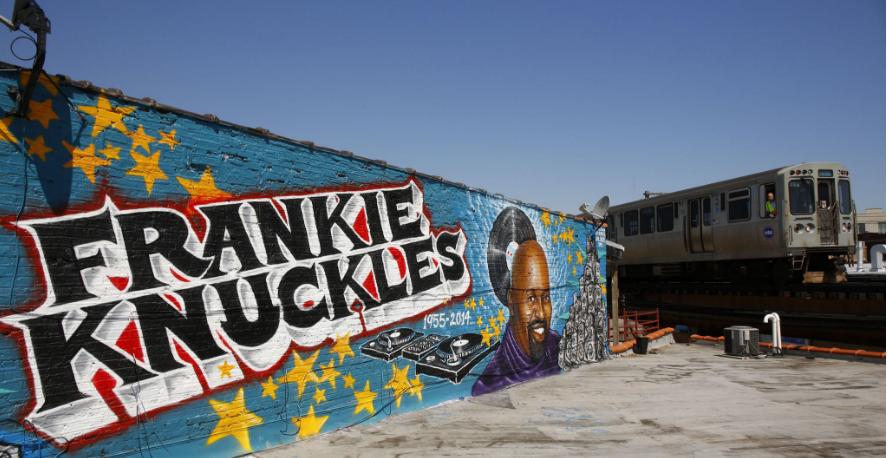
It seems far-fetched that a county that represents the city which gave birth to house music and has had both a street and day named after Frankie Knuckles and his legacy of house is failing to recognize the cultural and artistic value of not only electronic music, but other such diverse genres as rap, rock and country.

H/T: Chicago Reader