Posts

Yoshitoshi Boss Sharam Shares 10 Los Angeles Inspired Tracks

On May 6th Yoshitoshi founder and label-head Sharam is heading to Los Angeles’ Avalon Nightclub, where he is scheduled to play with special guest Oliver Dollar.

Today, the veteran producer and DJ shared with us ten tracks inspired by the city of Los Angeles, which you can listen to in the playlist below. When introducing the selection, Sharam stated: “This playlist showcases some of the highlights from Yoshitoshi’s recent catalogue as well some other huge tunes that have been featured in my recent sets.  Please enjoy and I hope to see all my LA fans at the Avalon May 6th for my show with Oliver Dollar!”

Tickets are available via Seetickets and don’t forget that we are also running a ticket giveaway for the upcoming show, which you can enter here.


If you found this article interesting, sign up for our newsletter to learn more and to stay up to date with 6AM’s news and features on the world of electronic music.

Yoshitoshi Label Manager Nick Garcia Dives Into The Role and Future of Record Labels

What is the role of record labels really and how do they operate in today’s industry? Over the last couple of decades, and especially so with the arrival and boom of the internet, the duties and functions of record labels have changed a lot.

Towards the end of last month, Suara’s big cat Coyu took to his Facebook page to lament on the current state of record labels, in particular diving into how label releases from smaller less-known artists seldom get the recognition and sales they deserve, despite often being higher quality productions than those of established producers that sell far better. In essence, Coyu stated, nowadays who makes the music matters more than the music itself. He also went on to explain how the catch-22 begins with local DJs and promoters who themselves veer towards purchasing tracks from names they know and trust rather than digging deeper into label catalogues to support music releases from other smaller producers like them.

With the ever-changing role of record labels in mind, we sat down with Nick Garcia, the label manager of Sharam’s Yoshitoshi Recordings to discuss the subject in detail.

Read more

Photo Gallery: Paul Oakenfold Delivers Opening Deep House Set for Yoshitoshi’s Sharam at Sound Nightclub


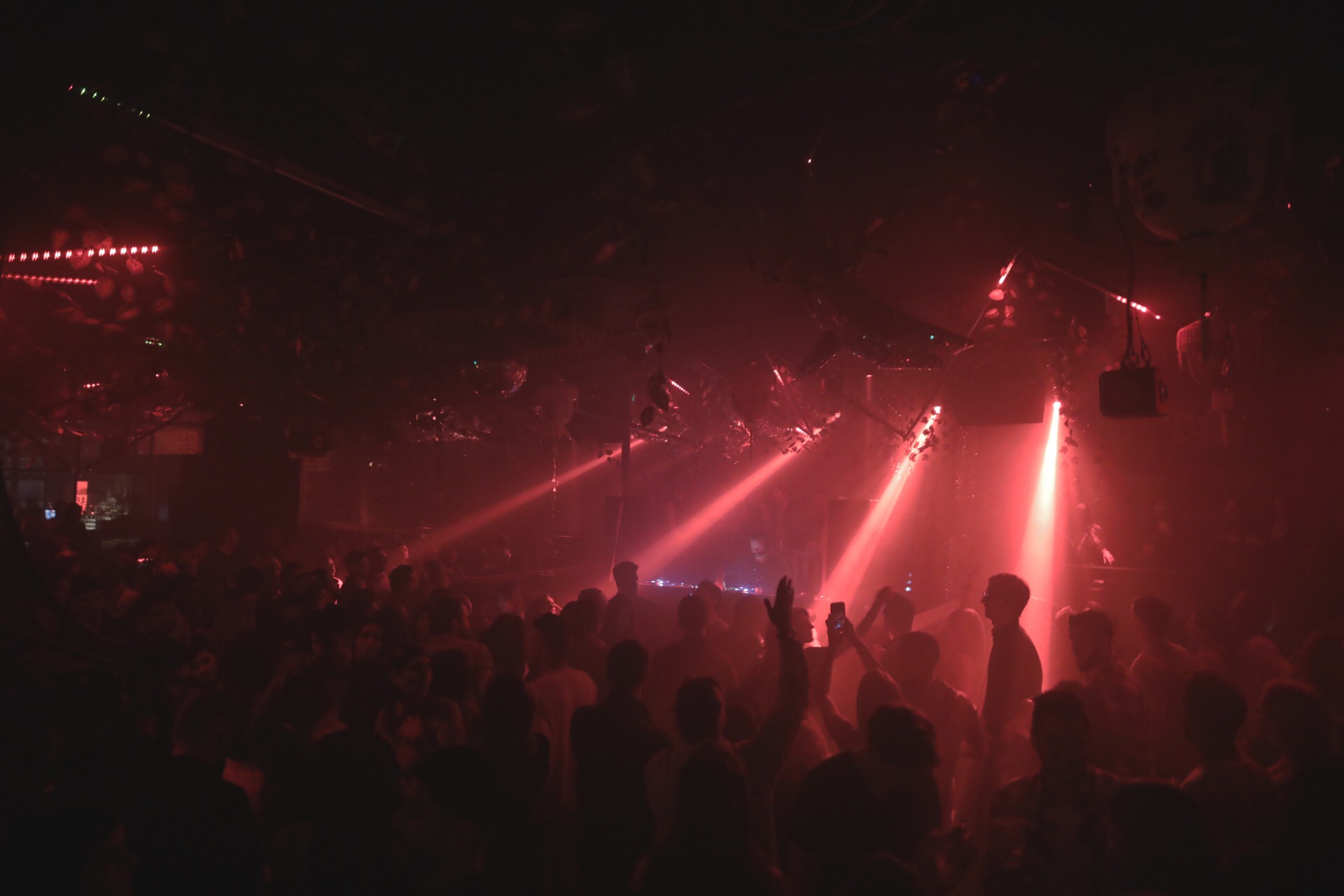
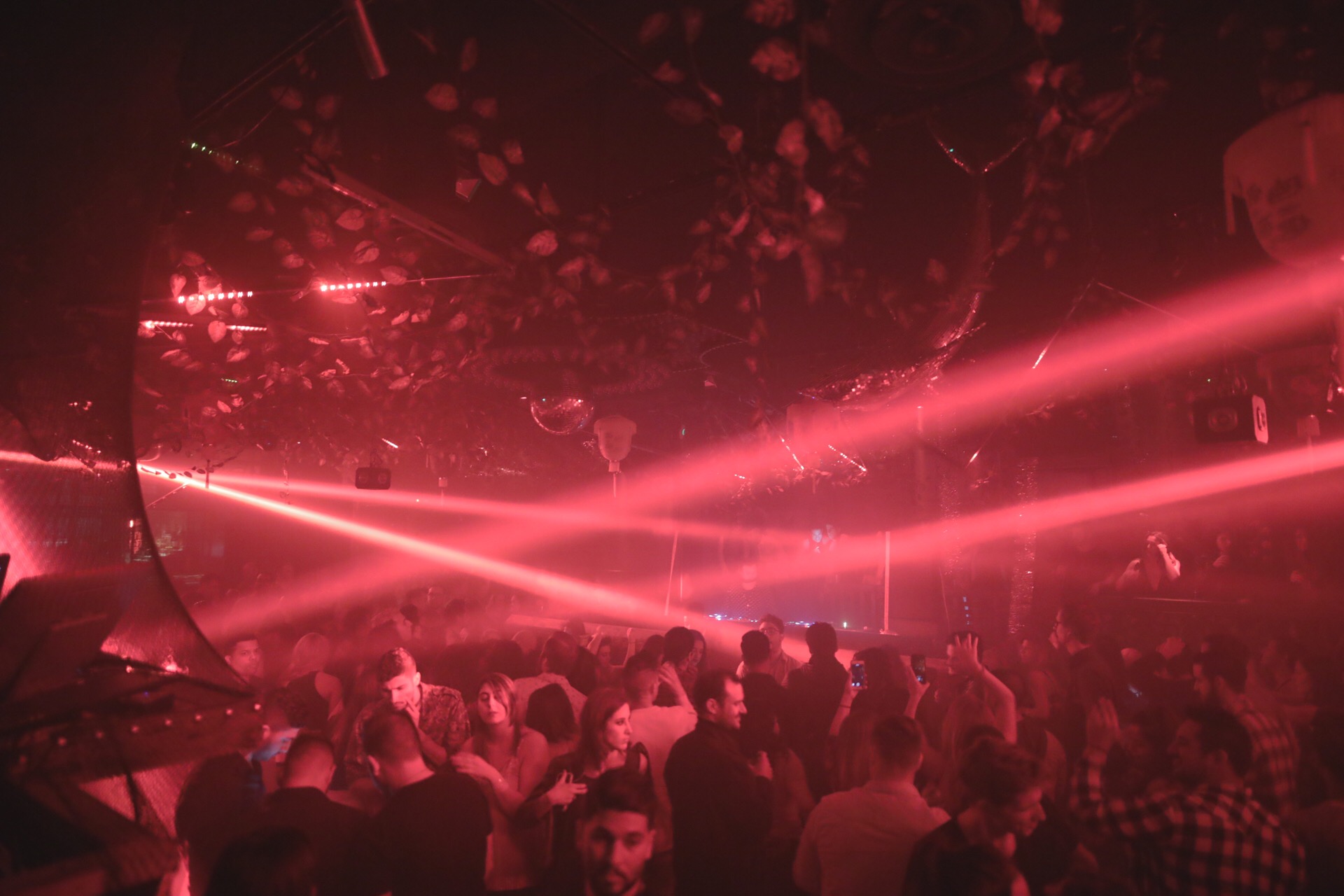
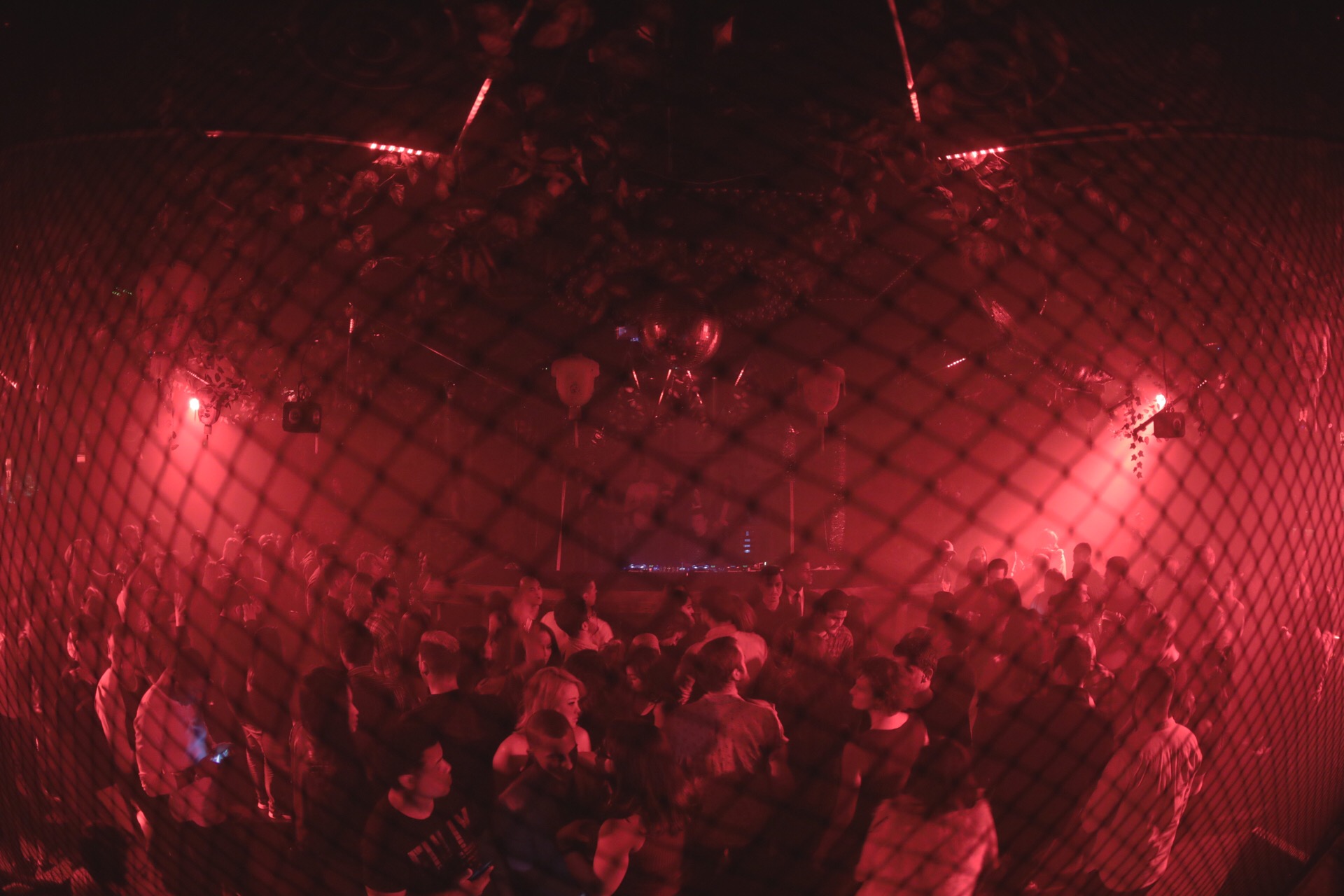
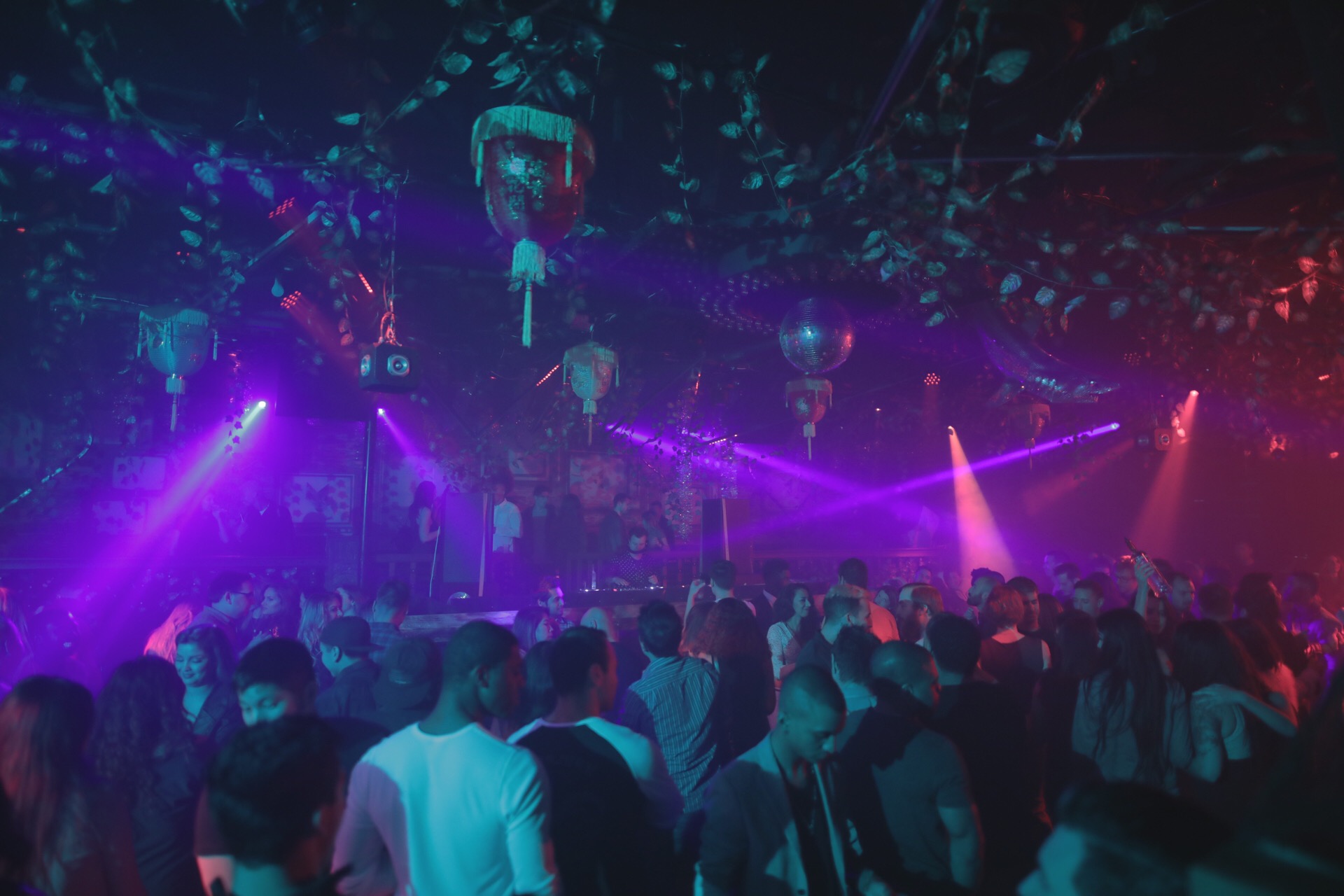
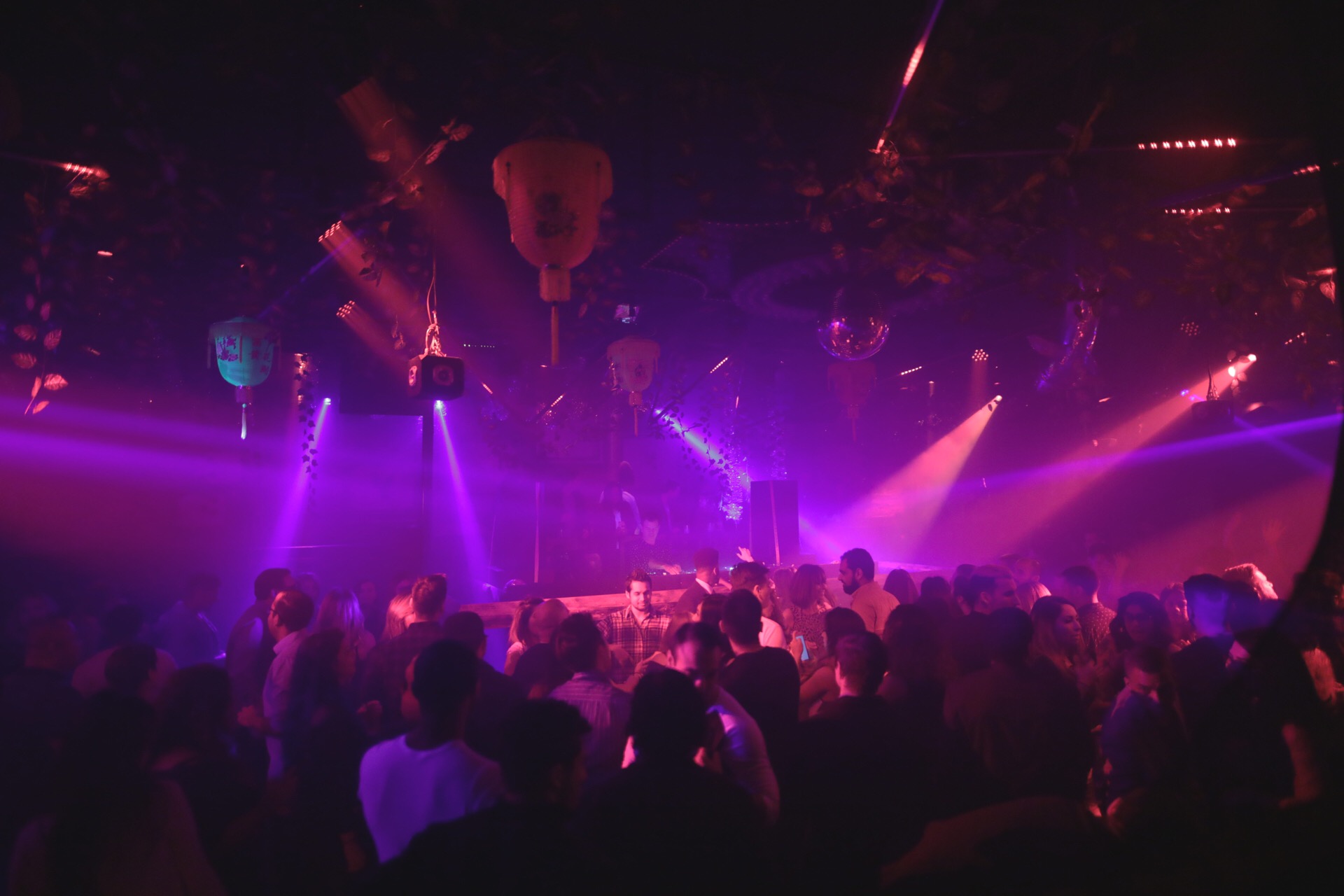
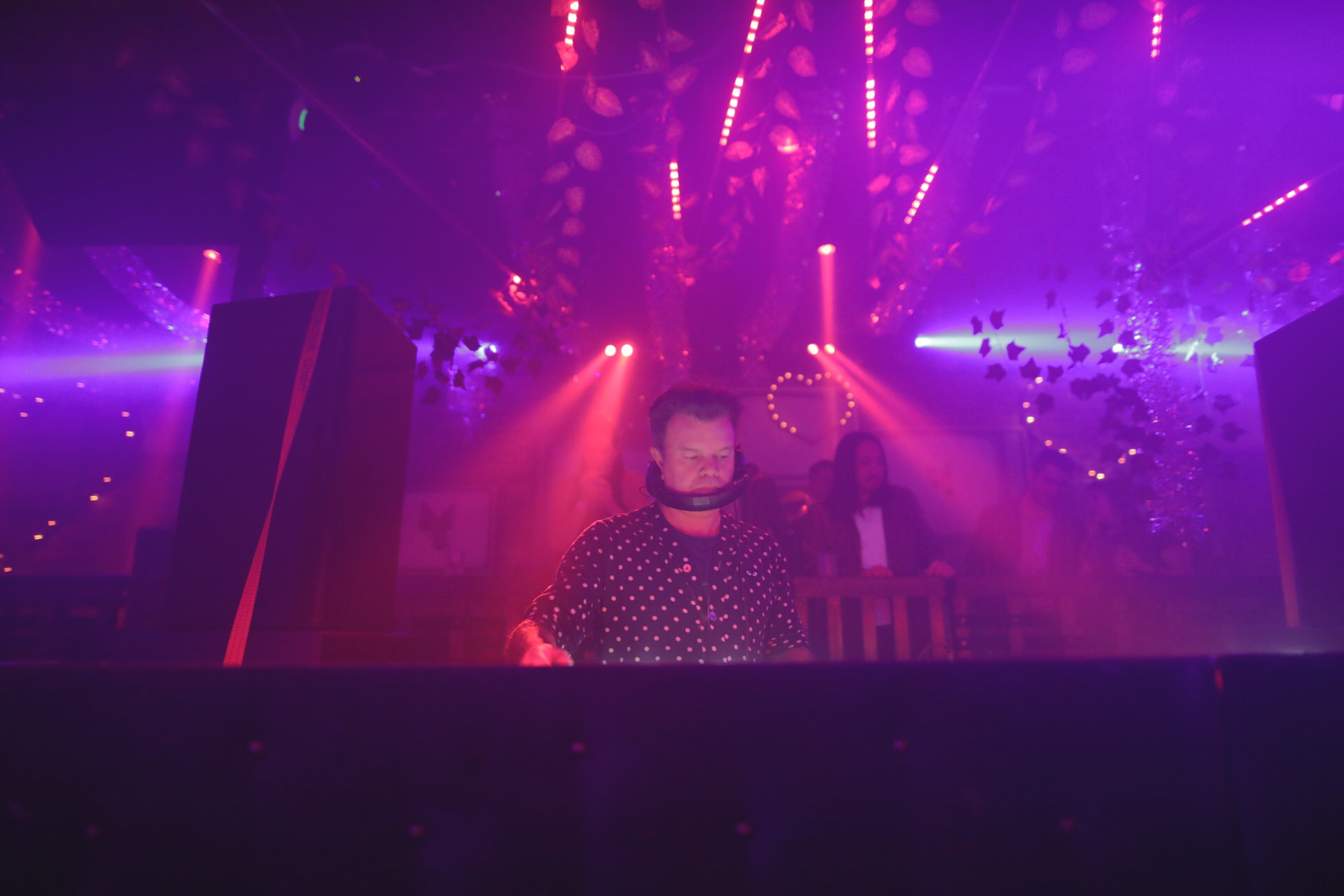
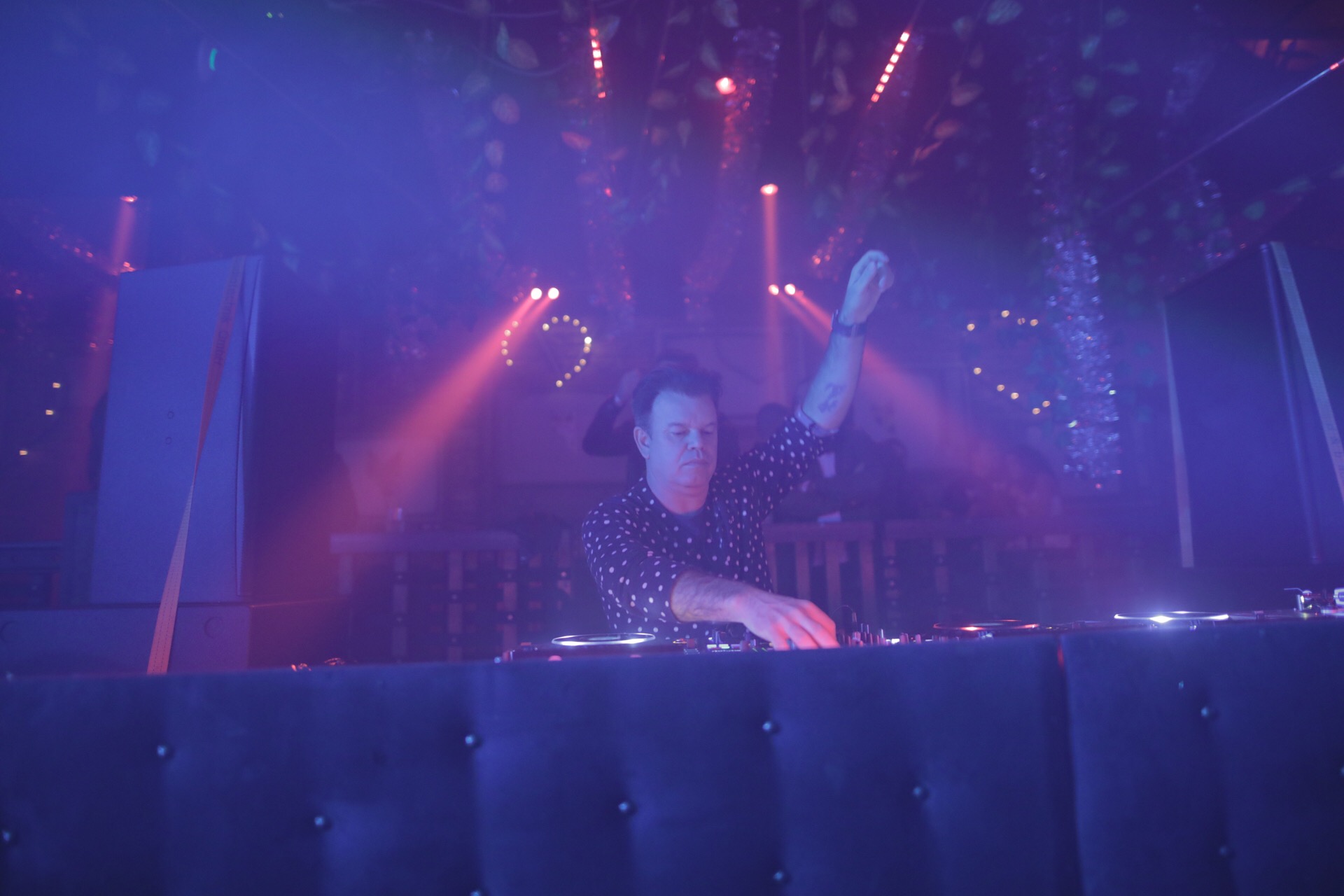
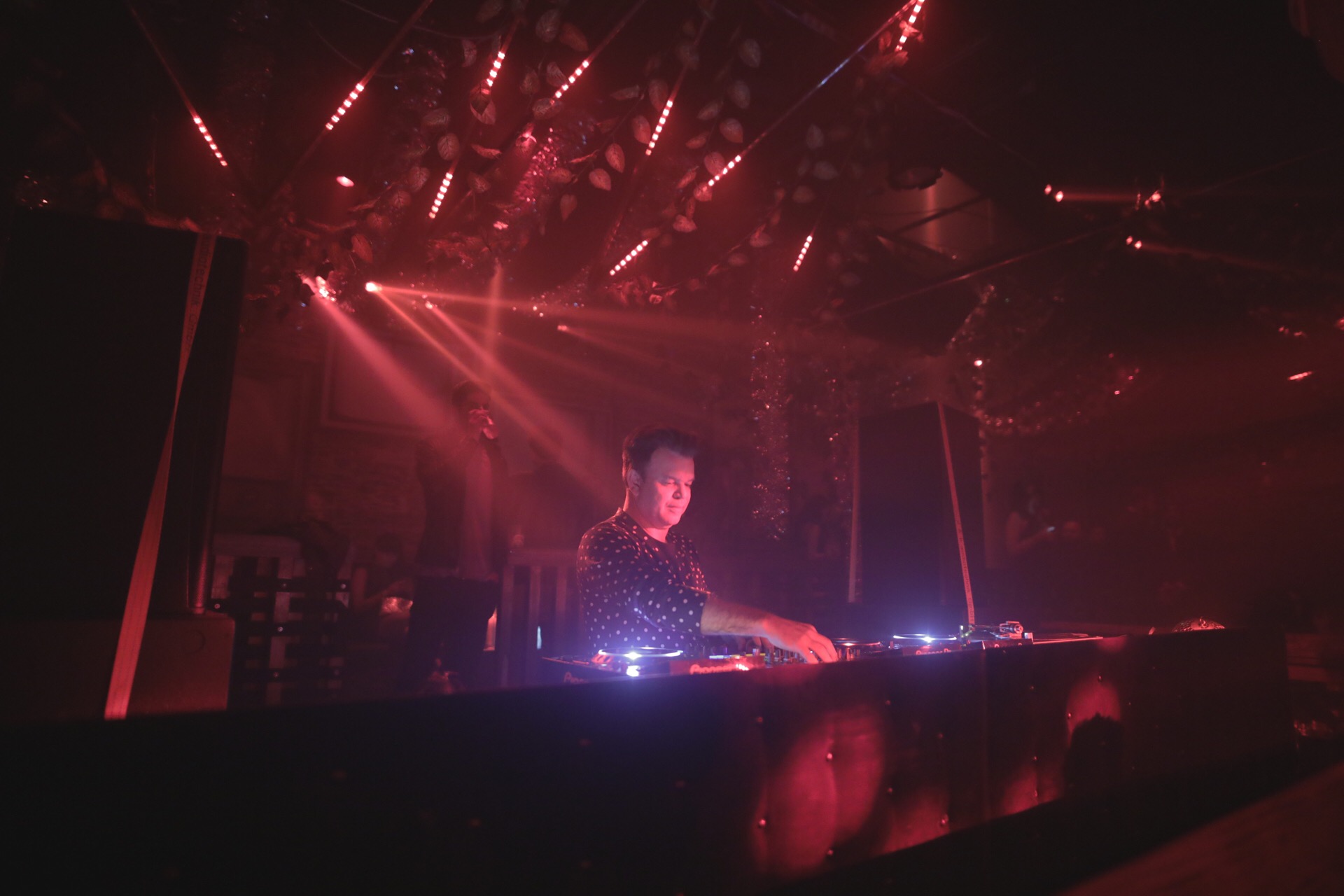
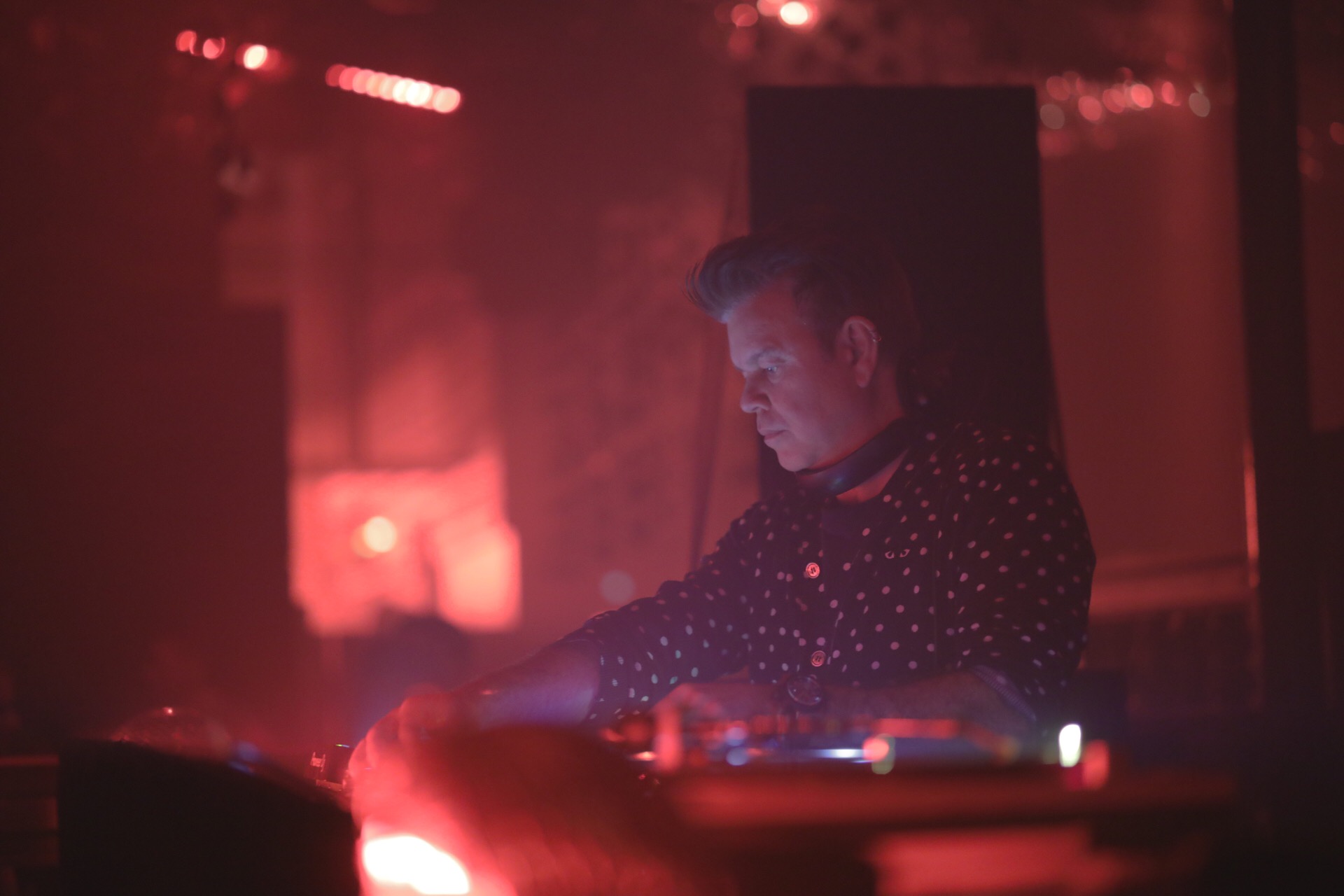
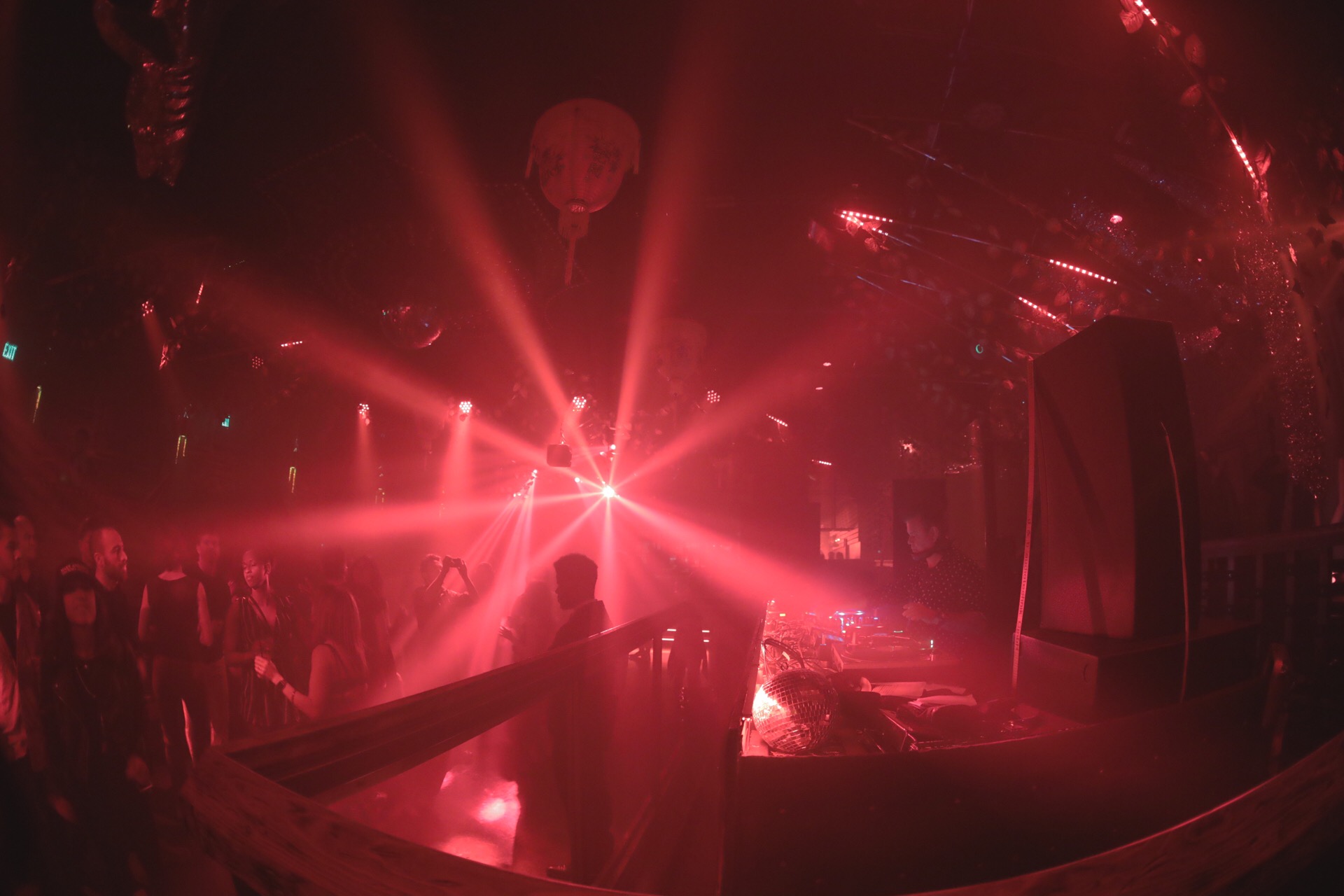
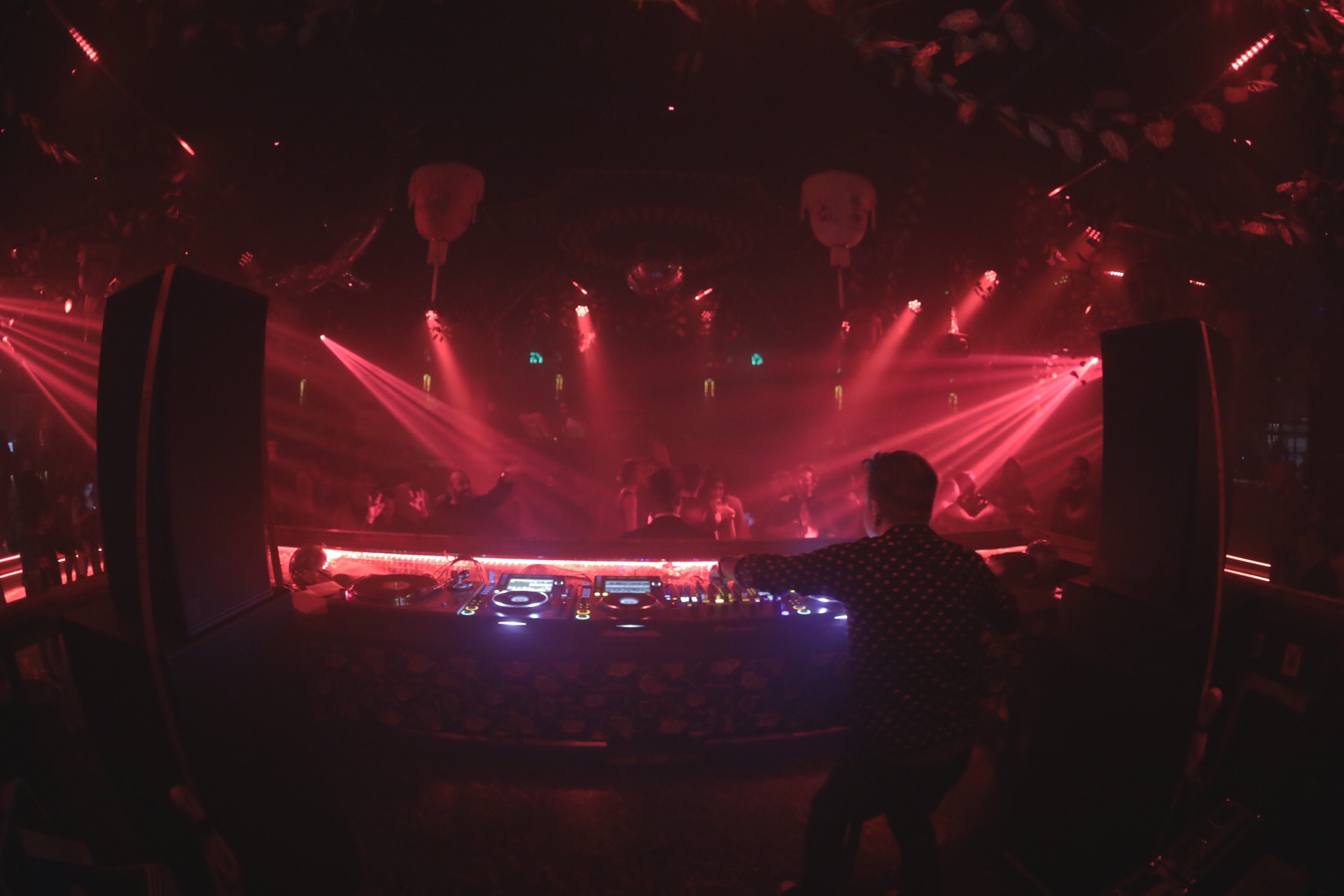
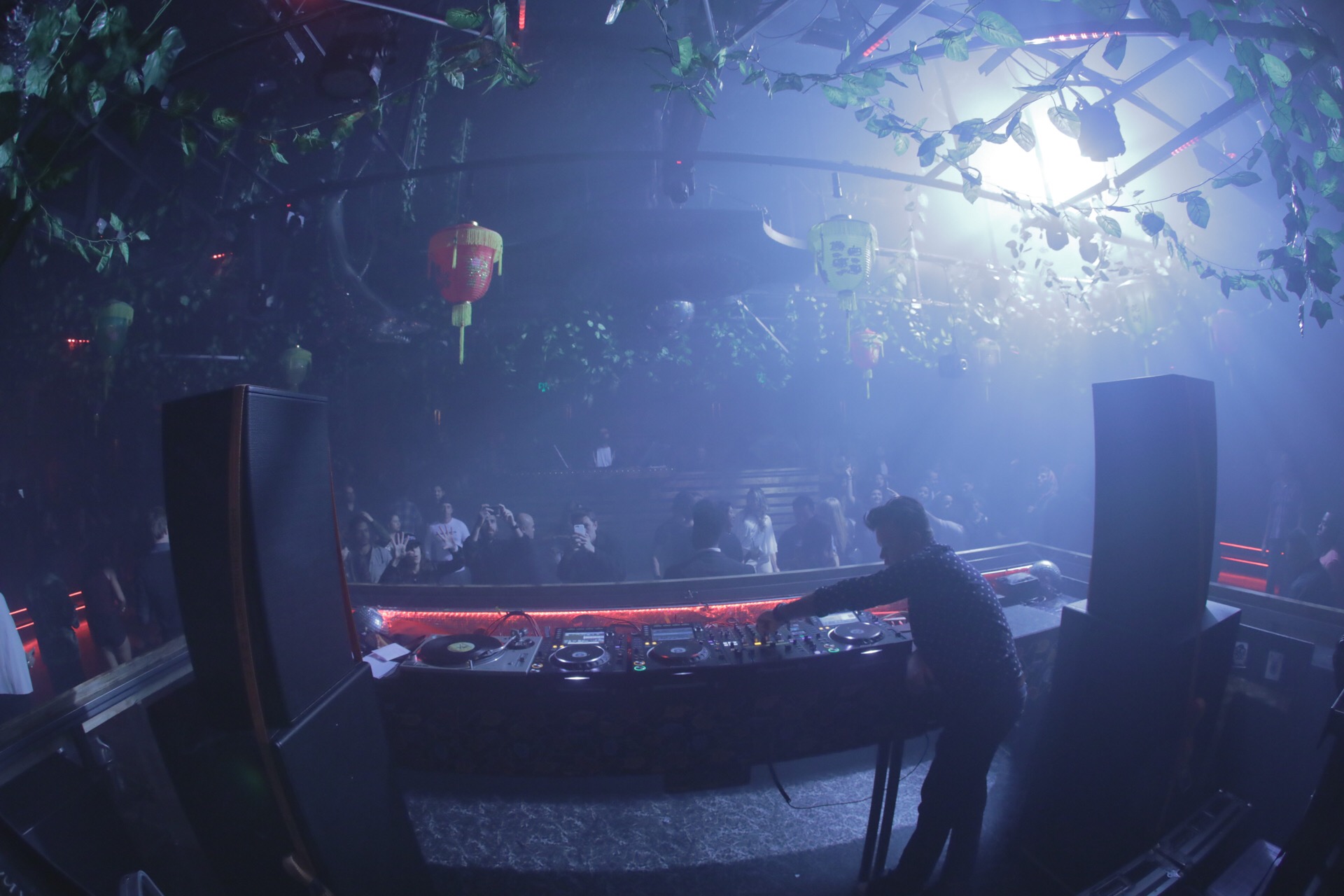
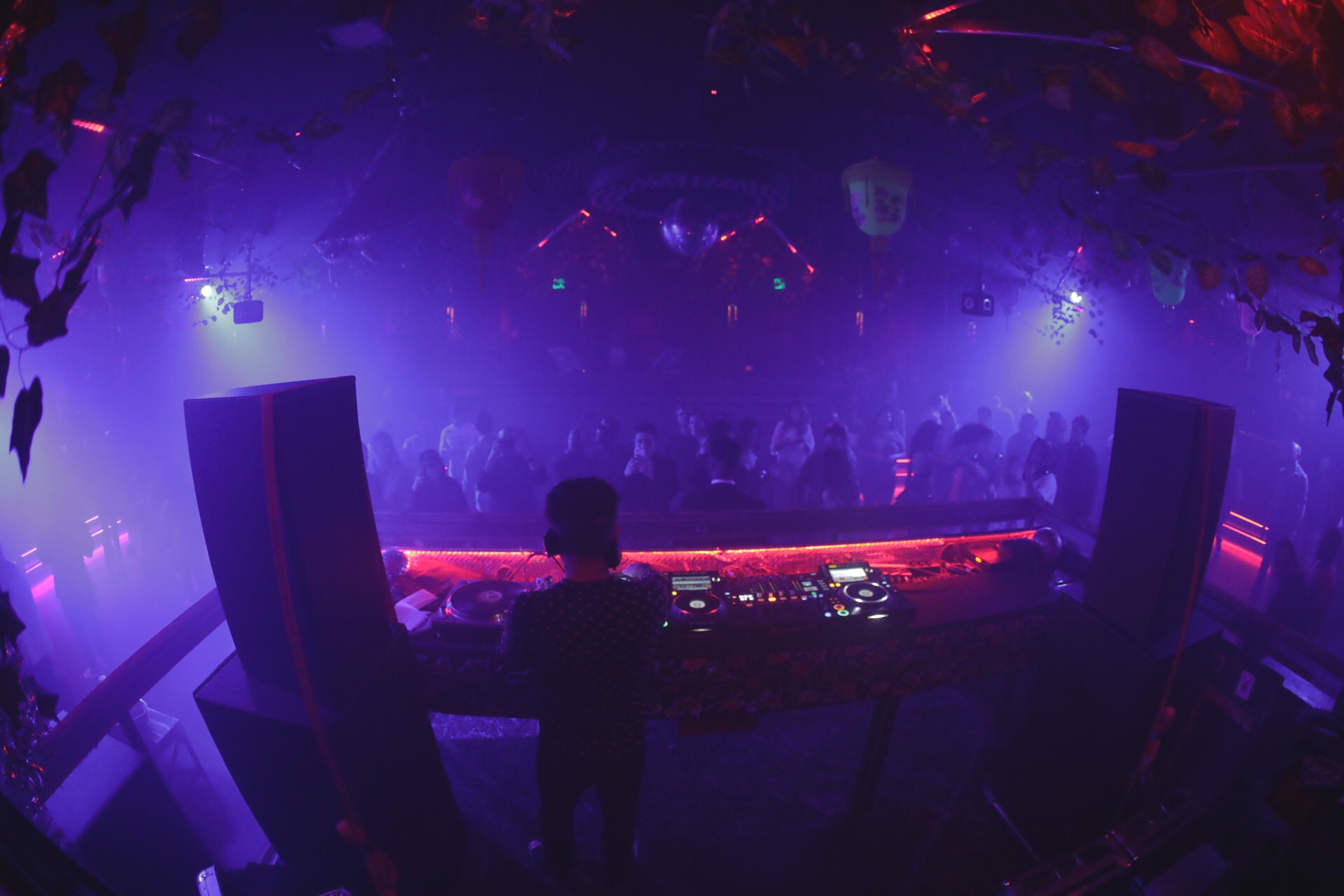
This past Saturday club goers at Sound Nightclub in Los Angeles were treated to something special and unique when they showed up at the Hollywood venue for Sharam.

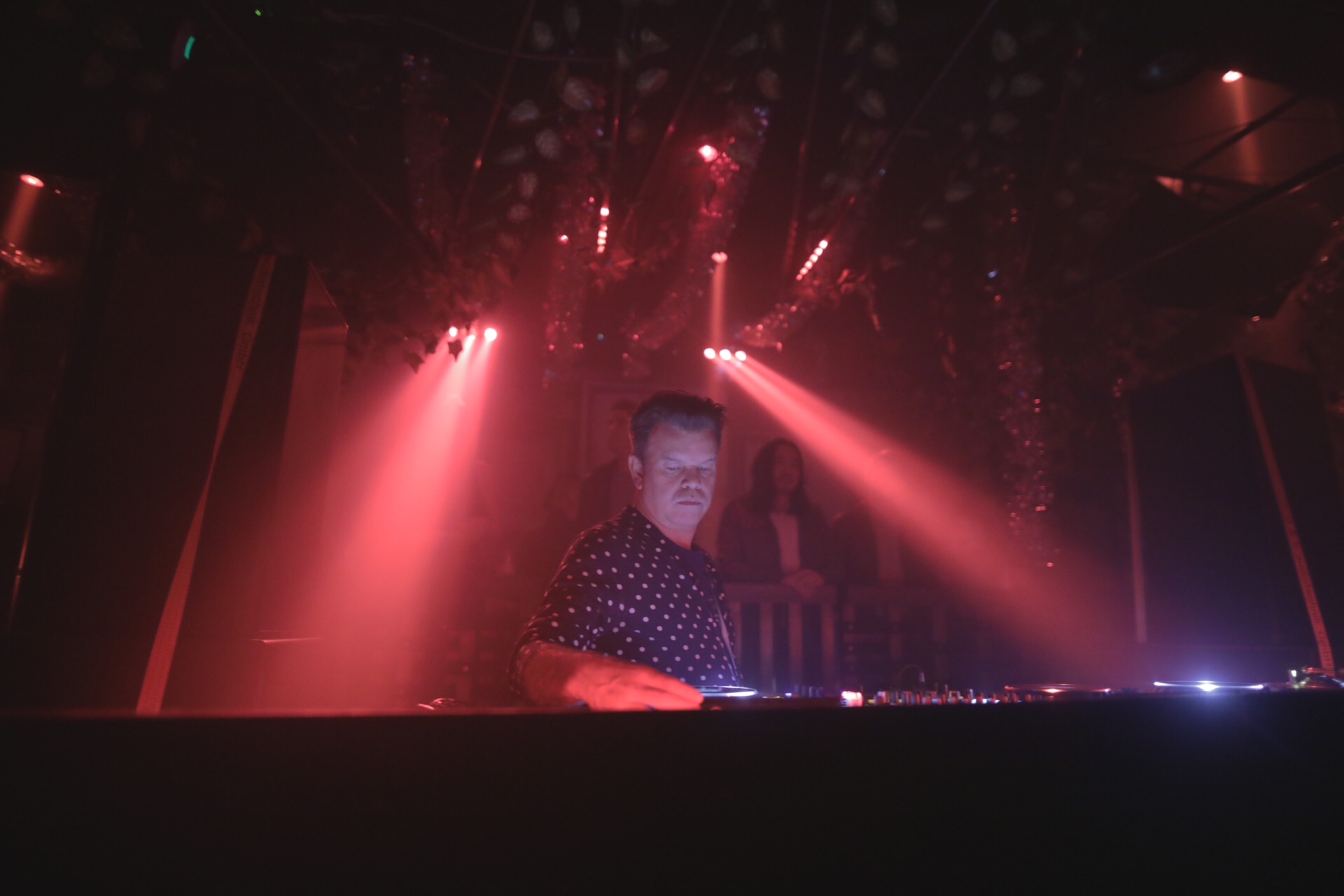
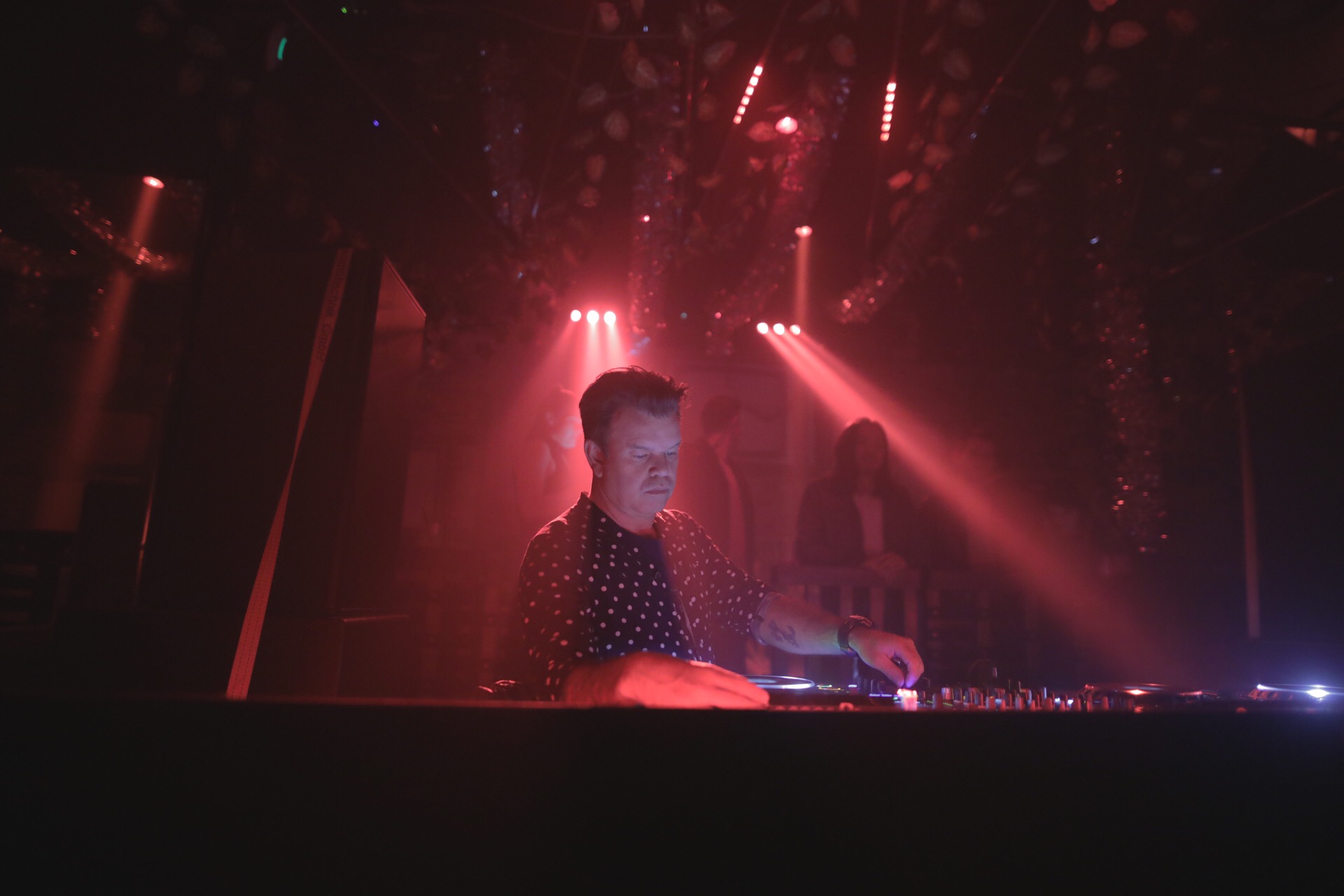
The Yoshitoshi label-head and one-half of Deep Dish was given the proper room warm-up treatment by another legend of dance music, Paul Oakenfold. The Perfecto Records boss took control of the decks at the Hollywood club early in the night, playing a surprise opening set filled with entrancing tunes and deep, melodic house.

The performance once again underscored Oakenfold’s prowess as a track selector, allowing everyone lucky enough to be in attendance to witness the veteran DJ and producer steer away from his pure signature Trance and Progressive side toward something deeper and, in this particular case, unique.

Enjoy the photo gallery from the night below:


Photos by Troy Acevedo

If you found this article useful, sign up for our newsletter to learn more and to stay up to date with 6AM’s news and features on the world of electronic music.

Music Monday: Yoshitoshi Best of 2016 and Best of Classic Remixes Compilations

This Monday we bring you the yearly traditional appointment with Yoshitoshi’s “Best of” compilations, sampled to you via two Minimixes uploaded to SoundCloud.

First up, the label released their Best of Classics Remixes compilation in celebration of 20 years of Yoshitoshi. It must have not been an easy feat to sift through two decades of brilliant releases to narrow down the 10 that would make the cut, but a quick glance at the chosen tracks leaves no doubt as to the high-quality selection process taken by the team at Yoshitoshi. The finished work includes remixes from Nicole Moudaber, Matador, Ambivalent, Paul Ritch and of course Sharam himself, all of which are sampled in the below Minimix on SoundCloud and available for order on Beatport and iTunes.

But that wasn’t all for Yoshitoshi last week, as Sharam’s esteemed imprint set out to release their Best of 2016 short-list. There is no question that the label released some of the hottest house records of the year, including Anthony Attalla’s “F1” and Rony Seikaly’s “The Sword”, both of which we premiered exclusively on 6AM. Other notable tracks on the compilation are Trent Cantrelle’s “Blade” featuring Cari Golden, Vanished’s “Say What” and several releases from label boss Sharam himself. You can pre-order the 17-track compilation, which will be released alongside a continuous DJ mix of all tracks on December 30th, on Beatport.

Read back on our interview with Sharam for our Humble Beginnings series, where he explored his origins in dance music and the journey he has taken to establish his label in the international dance music industry.

Connect with Yoshitoshi Recordings: Online | Facebook | Twitter | Soundcloud | Beatport

If you found this article useful, sign up for our newsletter to learn more and to stay up to date with 6AM’s news and features on the world of electronic music.

Premiere: CJ Jeff Remix of Eddie Amador’s “6AM” Out On Yoshitoshi September 26th

CJ Jeff

The Yoshitoshi journey back in time to revisit some of its best classics continues, this time going back ten years to 2006 for a remix of Eddie Amador’s aptly titled “6AM.”

In charge of revisiting the track and giving it a brand-new twist is none other than Greek producer and DJ maestro CJ Jeff. As the title may suggest, the original is an ideal late night/early morning tune packed with the essential groove that makes it an ideal weapon for any after-hours arsenal. CJ Jeff’s signature is clearly audible throughout his new rework, beginning with an imposing 808 kick that carries the mix forward and continuing with the smooth melodies and contagious vocals that saturate the track throughout.

The result is exemplary Yoshitoshi material – the type of strong release that has elevated Sharam’s imprint into one of the most eclectic and sought-out labels in today’s electronica industry.

The remix is part of a double A sided package that also contains an Ardalan remix of Eddie Amador’s “Psycho X Girlfriend.” Scheduled for vinyl and Beatport release on Monday September 26th, the digital package will also contain both remastered original mixes.

Enjoy an exclusive preview of CJ Jeff’s Remix of “6AM” by Eddie Amador below.

Connect with Yoshitoshi Recordings: Online | Facebook | Twitter | Soundcloud | Beatport

Humble Beginnings with Yoshitoshi’s Sharam

sharam 2
Sharam is a citizen of the world, both by upbringing and by profession. One-half of the iconic duo Deep Dish, and equally as successful as a solo producer and founder/owner of his label Yoshitoshi, Sharam was born in Iran, later emigrating with his family to Washington D.C.. It was in the nation’s capital that Sharam’s love for music had the chance to grow and expand, allowing his prowess as a producer and skills as a DJ to become a full time job as a musician.


Over the years, Sharam has continued to make D.C. his home, while simultaneously touring the world alongside Ali (Dubfire) as part of Deep Dish, and as a solo artist and head of his own imprint. Although he took a hiatus with Deep Deep for a few years, in 2015 he reunited with Ali for a  number of dates that saw the duo play at Ultra Miami, in Ibiza, at ADE, three separate Creamfields festivals in South America and more.


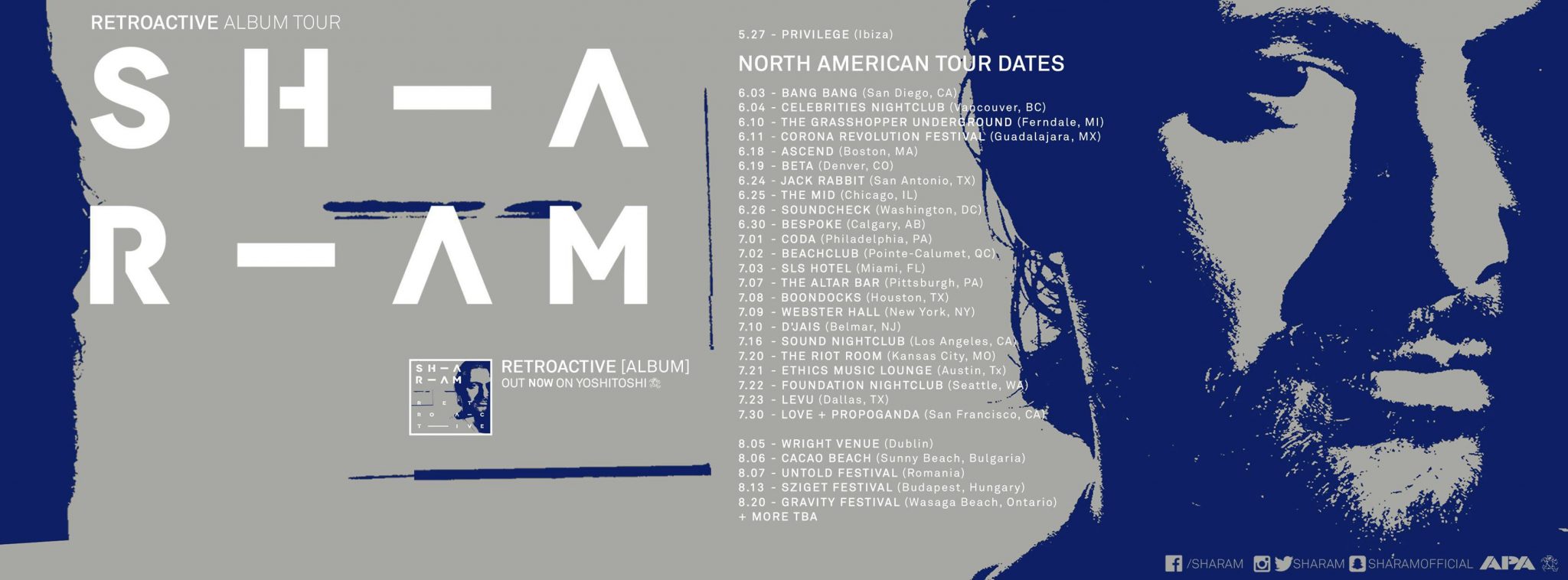
This month, Sharam announced and released his latest album called “Retroactive”, a sophomore LP that comes seven years after his debut solo work “Get Wild”. The album, originally announced with the title “A Warehouse” debuted with a spot on the Top 10 iTunes Chart on the release day, a true testament to Sharam’s undeniably strong popularity and quality as a producer. Despite the name change, “Retroactive” remains true to the same message communicated with the album’s prior title: the LP revisits Sharam’s roots with thirteen diverse yet cohesive tracks. Spanning influences that touch upon “early 80’s Giorgio Moroder inspired disco to futuristic, dark and hypnotic clubby affairs with menacing drum and bass inspired sounds”, “Retroactive” is an homage to Sharam’s past and present, as well as the future of house he undeniably continues to shape.


Sharam Retroactive
I had the chance to talk to Sharam while in the middle of an extremely busy tour promoting the album. His twenty-three stops in North America alone will keep on the road for the entire months of June and July, all before he jets off to Europe for some dates across the Atlantic. As we talked, he was about to travel to Chicago to play the 8th stop of the tour at the Mid.
In our conversations we took the time to dive a little deeper into his past, and the influences that shaped the production and recording of “Retroactive” – the humble beginnings that led to the Sharam we know today.


“Retroactive” is out now and available on iTunes, Beatport and Spotify.


With “Retroactive” we are seeing your return to your roots and major musical influences. Can you tell us a little bit about Sharam as a person, before music took over your life as a passion and career? Did you have any other hobbies or interests?
 
Music has always been a cornerstone as far back as I remember. Listening to music was a hobby for me. In post-revolutionary Iran you didn’t have access to a lot of music so I would find it through underground channels. It was TRULY underground because music, especially the western kind, was illegal. I was always fascinated with being able to transfer music between or mix them together through primitive devices that I had access to at the time. I also ruined many cassette players because I would open them up take them apart and could never fully put them back together! (laughs) When I moved to the US I continued with that curiosity, and then found out there is a thing called a mixer that made the mixing much easier and turntables that allowed you to change the speed of music that, together, enabled you to mix music together in a seamless fashion. WOW! That was magical. I was hooked, and that’s how I became a DJ. Soon after, I felt like I could make records and do it a bit differently than what was out there. That led to setting up a production team with Ali Dubfire as Deep Dish. Once we did that, we started to make some noise and were soon able to quit our day jobs and do music and DJ full time. We never looked back.

You’ve been extremely successful both as a musician and entrepreneur in the world of music. If music hadn’t crossed your path as a career however, what would Sharam probably be doing right now?

 
Hard to say. Probably some bob job in a tech firm or something like that? Or something that had to do with cars. i would have been a typical Persian used car salesman. Watch out!
 
In the past, you have talked about your early days in Iran and the lack of access to Western music. You mentioned how you would rent music video tapes on Betamax from underground rental places and record them on tapes to then play or sell to others. In that sense, your roots are truly underground. Did these experiences influence your direction in electronic music once you moved to the States?
 
Indirectly perhaps it did. You see, finding music – from underground sources in Iran, was extremely dangerous and rebellious. Kids in the western world latch on to punk or rock, or nowadays techno seems like the rebellious thing to do. We did that too as kids, but it applied to all western music, mostly pop. I mean, we actually risked getting caught and being punished. Imagine that. So when I came to the US I really appreciated the freedom and open access to find your own thing and explore it as much as your heart desired. The only thing between you and music was money. There was no piracy back then. I recall saving to buy a double cassette Walkman so I could go to a record store that had all their music on tapes in listening stations and record the tapes. I wanted to go listen to a tape that the in-store DJ’s had made and record it simultaneously on the double deck Walkman! Haha. I did buy that double cassette but never used it in that fashion. I just bought records. I basically worked to buy records. We would throw school parties with my friends so that I could DJ and make money to pay for new records, and eventually build up a collection worthy of club sets.


sharam 3
 
Some of your biggest influences early on include the italo-disco sounds of Giorgio Moroder, but also drum ‘n bass and innovative and progressive late 70’s/early 80’s bands the likes of Pink Floyd, Depeche Mode, New Order, Erasure, The Cars, etc. We can hear just how profound the sound of all these artists has been in your past work both as one half of Deep Dish and as a solo producer. Do you feel any of these artist played a more influencing role with “Retroactive” than others?
 
My original name for the album was Disco Tech. Disco because of those early italo-disco and Giorgio Moroder sounds I was emulating, and Tech because that’s what I seem to make more often than not. There is a lot of influence from early 80s from all those artists on this album. Stuff like New Order, Depeche Mode, Pink Flyod, Erasure, Cars, it never leaves you. It’s always lurking in the back of your mind and on this album I went full monty with it you could say. A track like Blind sits squarely in that era but it has today’s tech and drum n bass influence in it.
 
Washington D.C. has been your home for years now, so it’s natural for you to have established your Yoshitoshi label here too. How has D.C. as a city influenced you as an artist throughout the years?
 
DC is a cosmopolitan city, with many people from all walks of life coming to study, live permanently, or live temporarily through embassies and other international government-related work. So there’s a lot of international influence. Some of the clubs I used to go to, the music was a mish-mash of everything, but mostly European influences. You’d hear Gloria Gaynor next to Bony M next to Ace of Bass and some house records thrown in for good measure, with some Euro dance records added in too. What you would hear in DC clubs was basically what you would hear in San Tropez where music is a mix of big records from all around the world. Of course, I didn’t know that at the time. Only when I visited St. Tropez it clicked. The ‘trendy’ clubs in DC and NY were trying to mimic that vibe. Its interesting, because that vibe of playing a lot of big popular records is what influenced Morrillo when he was doing his Ibiza residency at Pacha which influenced a lot of the big EDM DJ’s like the Swedes and Guetta. And they took that concept to the next level. But at its core its St. Tropez style of playing popular music at a club catered to the jetsetters.
 
That was the baseline for DC back then. But we found our ‘underground’ scene through house and techno, and through that we discovered warehouse style parties and later on raves, which sort of went against what DC had to offer. So I was influenced by all of that in some shape or form. Even though I was deep in the underground I never underestimated the value of a good hook or sing along song, and was always looking for cool records with great vocals. At the time it was rare for records to cross over from the house or techno scenes (other than some disco-influenced stuff which had become taboo). We changed that.


Is there any specific reason why, as you’ve grown bigger as a producer, DJ and label-head, you decided to remain based in D.C. rather than seek to move to other destinations such as LA, NYC, Chicago, London – cities that other artists seem to flock to at a certain point of their career?
 
DC is home and home is where the heart is. I love DC. Plus I never wanted to go ‘out there’ and make it. I wanted to make it where I was. But truth be told I am now tinkering with the idea of setting up shop in LA, simply because the talent pool for growing an organization is better suited for our kind of business and because I’m tired of losing great people to big cities. Over the years some of the people that started working for me have gone on to have amazing careers in the industry in LA and NY. I’d like to keep some of those talents in house.
 
In the last couple of years, you’ve begun doing shows again with Ali as Deep Dish. In the past, when you were producing together, Ali and yourself fed off of each other in what you have described as the “ying-yang” of a duo project. Do you feel that Deep Dish’s productions and releases had and still have different influences than those of Sharam as a solo producer?
 
Sure. Because you have two people with two distinct set of influences and desires. That holds true to date. That tug of war can create something interesting.


marquee
 
As you’ve documented and discussed, “Retroactive” was initially named and announced as “A Warehouse”. Do you feel you are more of a warehouse artist than a club DJ?
 
I do feel more at home when the lights are dim the place is dark and you have hypnotic minimal visuals. That could be in a warehouse or in a club. I don’t want people to look at me when I’m DJing. I want them to dance. A Warehouse does create that vibe, and that was the reason for the initial name. Music through vantage point of my influences and those early warehouse parties and raves played a great role.
 
I had the pleasure of interviewing Rony Seikaly ahead of his “Sword” EP release on Yoshitoshi. When discussing the role of your label, he mentioned that you – and the label by default – “actually understand music from a broader perspective and are open to different sounds”. To me, it seems very clear: your early influences are both broad yet specific, allowing you to keep an open-mind when it comes to the music Yoshitoshi puts out. Do you feel your approach, as a label-head is different than the one you adopt when producing your own music?
 
No, actually very similar. I don’t discriminate against genres or people. Our industry has turned into a bigot society of self absorbed individuals that fancy themselves as elites. I never subscribed to that mentality and I think its bad for music – as its bad for society. Granted the gap between different kinds of dance music is widening and as such you will have clans dedicated to different scenes, and that’s totally fine and healthy. But when you bring hate and disgust into it, that becomes counter-productive. At Yoshitoshi, we are fans of good music that stays true to our heritage of releasing music from different offshoots and having them played harmoniously together. Our motto is, “It’s a Soul Thing”. Soul shows itself in every style of music.
 
We have talked a lot about your early influences and beginnings. Music has evolved tremendously since the late 80s and is in constant evolution now. Are there any current artists, new or old, that you consider influences both as the chief of Yoshitoshi and a producer?
 
I’ve always found inspiration from the records I play. So if you look at my Beatport charts for example, you will see the records that I’m playing that are having an influence on me. Beyond that, I love Drum N Bass. Spor. Calyx, TeeBee, Wilkinson. I love listening to their records. Maceo Plex releases interesting records on a consistent basis. I love artists like that who are not one trick ponies. My favorite album of last year was Galantis’s Pharmacy. You want to talk about a great dance pop album, that is it – so well produced.


Connect with Sharam: Online | Facebook | Twitter | Soundcloud | Beatport
Connect with Yoshitoshi Recordings: Online | Facebook | Twitter | Soundcloud | Beatport

Get Lost and The Future of Miami Music Week

Pool

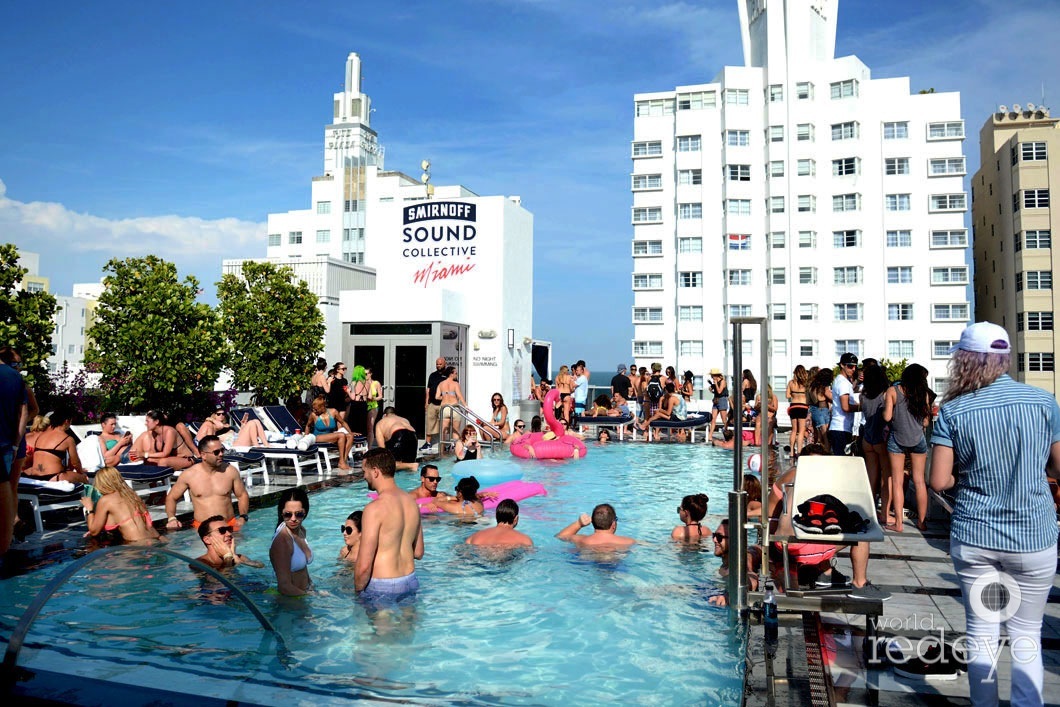
Smirnoff Sound Collective Miami: Discwoman at The Gale Rooftop. Picture by World Red Eye

Thirty-one years ago Florida saw delegates representing the dance and electronic music industry come together for the first Winter Music Conference (WMC), a conference that has since grown to a concentration of more than 400 events, parties, seminars and workshops. In 1999 Ultra Music Festival began as a one-day festival, expanding since to a sold-out weekend with over 150,000 in attendance. Then, in 2011 the electronic music industry saw the foundation of Miami Music Week (MMW), a collection of music events that now includes Ultra and, while it used to coincide with WMC, this year split up from the conference and took place the week before.

When things first started concentration was on pool parties in South Beach during the day and  events at a selection of clubs, of which only a handful were in Downtown Miami, at night. There is no doubt that in its second decade of operation, Club Space remains one of the quintessential venues to attend whenever making the trek to Miami for the week. It regularly hosts marathon parties and sets that go deep into the next day’s afternoon and this year it was no different.

On Wednesday night the Club’s Terrace played host to an selection of artists the likes of Shaded, Carlo Lio, Pan-Pot, Kölsch, Gardens of God and Agoria before a grand finale that saw Dubfire go back-to-back with Chris Liebing beginning at 7am and ending at some point in the middle of the afternoon. The atmosphere was electric to say the least, with people making the short trip between the Terrace and the Main Room, which hosted a high-caliber list of Incorrect Music artists such as UMEK, Anthony Attalla, Uner, Prok & Fitch and Supernova. A large contingent remained as downstairs closed to witness the first of the many sunrise-into-the-afternoon performances of the week. Carlo Lio and Pan-Pot set the stage on the Terrace perfectly, playing heavy sounds with minimal to no vocals – setting a welcome and dark opening atmosphere for the closing set to follow. When I left the club at some point in the middle of the morning, the SCI-TEC and CLR bosses were still going at it with a large army of techno fans still on the dance floor.
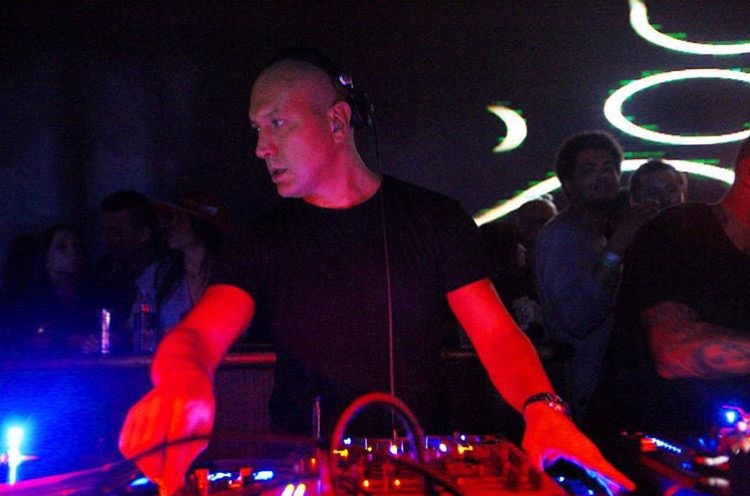
Marco Carola marathon set on the Terrace. Picture by Club Space Miami

Marco Carola marathon set on the Terrace. Picture by Club Space Miami

I was to make my way to the Terrace once more the following night for a Marco Carola marathon that followed sets by Leon and French trio Apollonia. Shonky, Dan Ghenacia and Dyed Soundorom know how to work a room, carefully selecting percussion-drive tracks and groovy gems with signature effortlessness. They commandeered the majority of the crowd who didn’t seem to be saving their energy for Carola, but instead danced away for several hours to their infectious performance. They have been playing Carola’s label parties for a while now and it’s no secret why, they are a perfect fit for his ideology and focus on quality of music above all else. While the Italian Music On maestro is no stranger to long sets on the Terrace, he usually performs alongside Loco Dice as “LoCarola” during Miami Music Week so it was a welcome change to see him play solo and for an extended period of time. As usual his funky brand of techno was exactly what the crowd needed, with hundreds arriving past sunrise to see him perform until around 4pm in the afternoon. Shazaming or attempting to ID tracks is near impossible with Carola in control, especially so considering his pride as a track selector. Both him and Apollonia both played that weekend as guests at Carl Cox & Friends’ Ultra stage, while Carola also closed out his label winter residency alongside Paco Osuna on Saturday night with set at Story Miami in South Beach. Check out a small clip of Apollonia at Space below:

Two large clubs have opened next to Space in recent years. First E11VEN Miami across the street, boasting a 24hr schedule, and then Heart Nightclub literally next door in the past year. Boasting rooftops, multiple rooms and party hours that also go deep into the next afternoon, they have been part of a trend that has seen the more seasoned of MMW/WMC attendees ditch South Beach pool parties and to stay in Downtown Miami to party. While there’s a short list of top-botch clubs in South Beach worth visiting, most notably Do Not Sit On The Furniture, Trade and Treehouse, recent years have heralded the arrival of parties away from clubs and pools.

Do Not Sit By The Ocean is the perfect example of this winning formula. Held across the span of 12 hours, this day party took place at The Deck at Island Gardens, a super yacht marina with a deck overlooking the most exquisite view of Miami’s skyline. The vibes were thick, with an entire entourage of music professionals listed to play against one of the most beautiful backdrops we have seen for a Miami party. Huge sailboats, mega yachts, palm trees, the ocean and the sun setting over the entire city as music from Lee Burridge, Alex Niggemann, YokoO, Hoj, atish and others poured out of the sound system. The entire event was captured by Be-At TV and can be viewed below.


This year Anjunadeep held their party at Cafeina Wynwood, with Jamie JonesParadise returning to Mana Wynwood for a party lineup that featured such top names as Steve Lawler, Bob Moses, Stacey Pullen, Skream and The Martinez Brothers. Elrow used the same venue for its signature crazy celebration, while Disclosure, Eric Prydz and Luciano all opted for Wynwood’s MAPS Backlot outside space to throw their parties this past week.

Most notably, however, it was Get Lost Miami that kept setting the trend. Celebrating 11 consecutive years, the Crosstown Rebels-run party has been bringing thousands of party goers to Downtown and Midtown Miami spaces for the last several years. For this edition, they made the bold move of relocating to Little River Studios, a brand-new site in the city’s neighborhood of Little Haiti. I say bold because it was announced only two days early and is probably the furthest any party during MMW/WMC has ever gone. But it worked, and it cemented Get Lost Miami has the must-attend party of the entire week.

Truthfully, simply calling Get Lost a party is a little disservice to the tremendous work Damian Lazaruz and company put behind the event. It runs for 24 hours straight, beginning at 5am and ending at 5am of the following day with no interruptions. Four stages run simultaneously for almost the entirety of that time, with a lineup that this year listed over 50 acts. Forgive me if I begin to refer to Get Lost as a one-day festival, for it truly feels like one. Curated to its smallest of details, it delivered and it delivered well despite some expected small first problems at its new home. Each of the four stages provided an entirely different experience both musically and visually, specifically curated to allow attendees to wonder and live the entire 24 hours of the party without ever feeling like it was repeating itself.
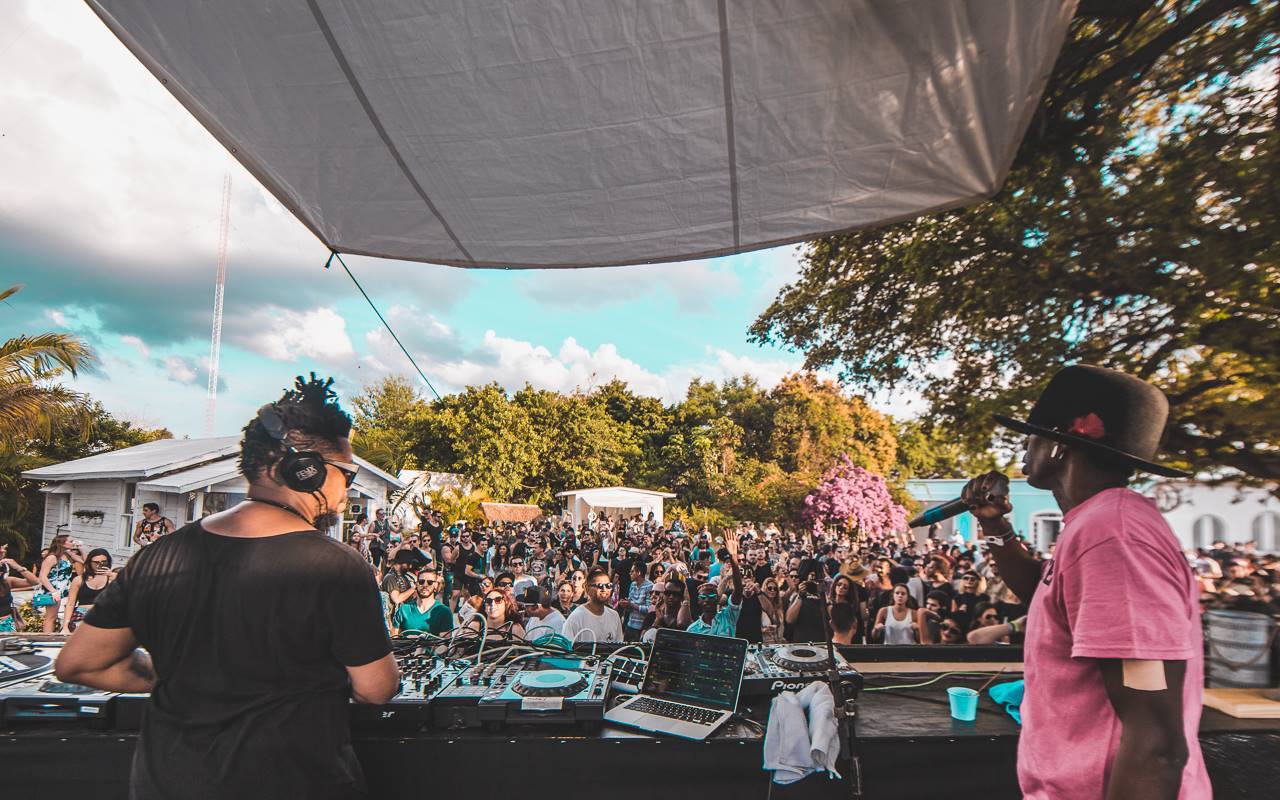
Felix da Housecat and Jamie Principle at Get Lost Miami. Picture by Crosstown Rebels.

Felix da Housecat and Jamie Principle at Get Lost Miami. Picture by Crosstown Rebels.

The main Keys stage sat nestled beside a large tree, its branches nestled above the wide dance floor overlooking a set of small wooden homes. Inspired by the Florida Keys, the spectacle included white sand, beach chairs, lifeguard posts and more, all part of the illusion created to transport music fans to a new temporary world. Ornaments, decorations and make-shift sign posts all added to the magic, with Serge Devant first and Felix da Housecat later providing the afternoon music that welcomed the hundreds in attendance to the magical sunrise above them. Felix in particular had one of the best sets I witnessed the entire week, blending both the soulful and jacking elements of the very same Chicago house that has launched his illustrious career. One of the most signature moments of Get Lost came toward the end of his set, as Seth Troxler was readying to take over. With Jamie Principle on vocals he performed a tribute to the late Frankie Knuckles and the legacy of house he gave the world – everyone’s hands were in the air as they danced and paid homage to the music that united them.

The smallest of the two indoor areas, the Studio, reminded me of an artist loft. Dark, yet bright, thanks to its curved white walls and partially white floors, it delivered as an intimate stage with powerful sound. BLOND:ISH in particular were phenomenal, their set fusing fast-paced house, tribal elements and repeated percussion to perfection. Visionquest later did what they do best with a selection of well-picked high-octane house tracks that composed a seamlessly curated performance that strayed away from the dreamy deep house played later by the likes of Red Axes, Bedouin and DJ Three. Red Axes in particular had one of the stand-out sets of the week, managing to captivate the tens of people who decided to choose the duo over bigger acts playing elsewhere. The change of pace was simple yet acted as needed balance in the eclectic roster that formed Get Lost’s deep lineup.
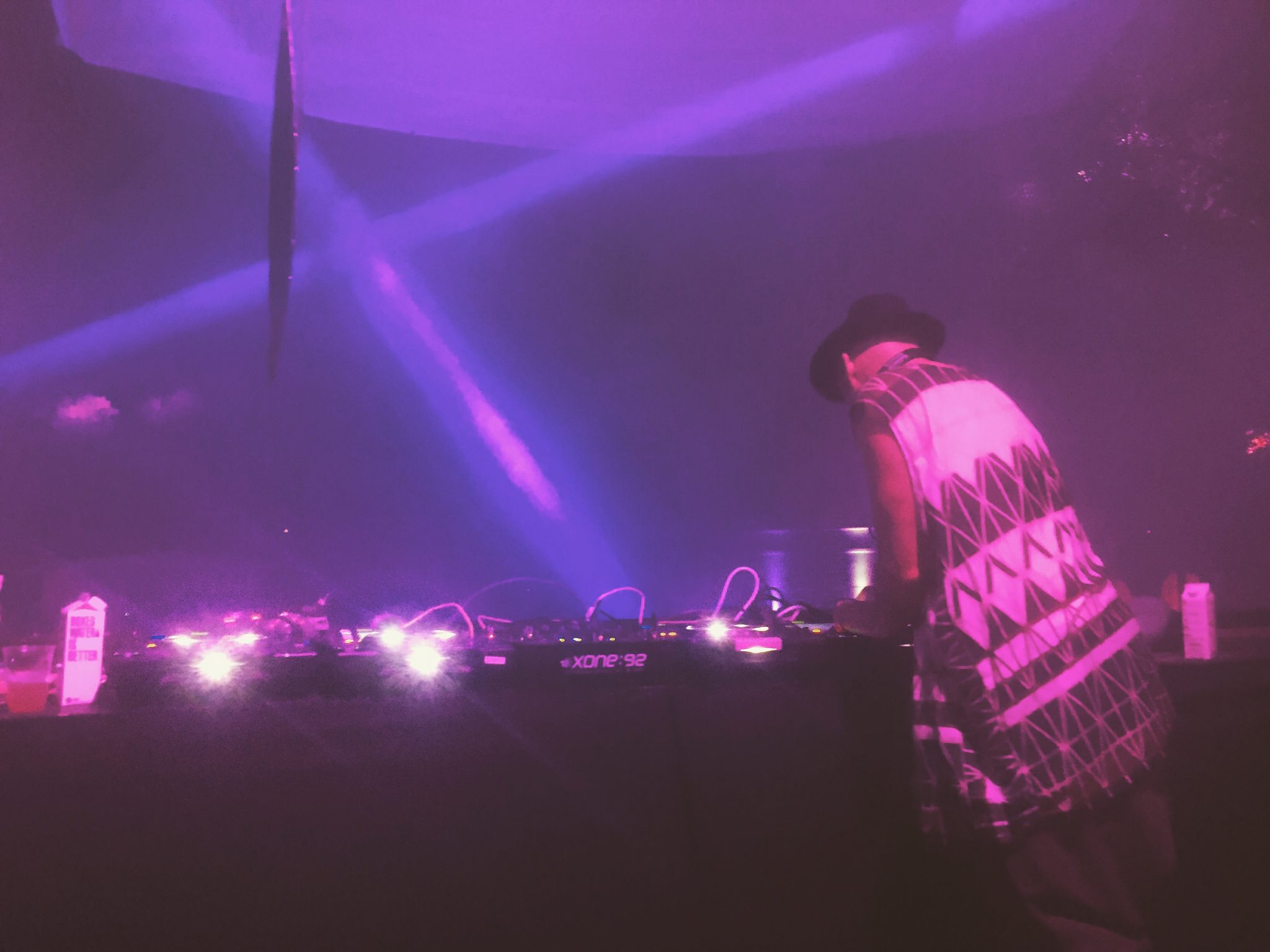
Damian Lazarus at Get Lost Miami

Damian Lazarus at Get Lost Miami

Next door, The Nest stage provided the closest thing to a dark warehouse setting. Filled with smoke and armed with colorful lasers, it was practically impossible to see the DJs performing unless you were stationed right in front of them. Strangely it was fairly empty for Pete Tong earlier in the day but hundreds filled the room for Cassy and DJ Sneak’s tandem performance in the late afternoon. It was powerful and it made people dance, as you would expect from both the seasoned vets. Fur Coat later on drew one of the biggest crowds to the stage with the type of performance that saw them clinch a recent debut on BBC Radio One’s Essential Mix.

Needless to say Detroit’s Carl Craig and Damian Lazarus drew some of the biggest crowds of the evening. Sandwiched between Seth Troxler and the party’s boss, Craig kept things interesting by straying away from the Detroit Techno sound at times, beginning his set with the intro/theme song of 2001 A Space Odyssey and incorporating “You’ve Got The Love” by Florence And The Machine into his set. The wizard closed off the main Keys stage with a set that went past his allotted time, perhaps just a way to let everyone know who was in command, filled with tribal tracks, cosmic tunes and the sort of atmosphere only he can create best. As his set ended so did the music at that stage, leaving the hundreds present with no choice but to spill into the three smaller stage that were scheduled to play music until closing. An unmissable live set by KiNK led the way for Thugfucker and a special back-to-back performance by Gorgon City and Kidnap Kid at the Santorini stage while Rumors boss Guy Gerber first and Skream later were entrusted with closing duties at the Nest.
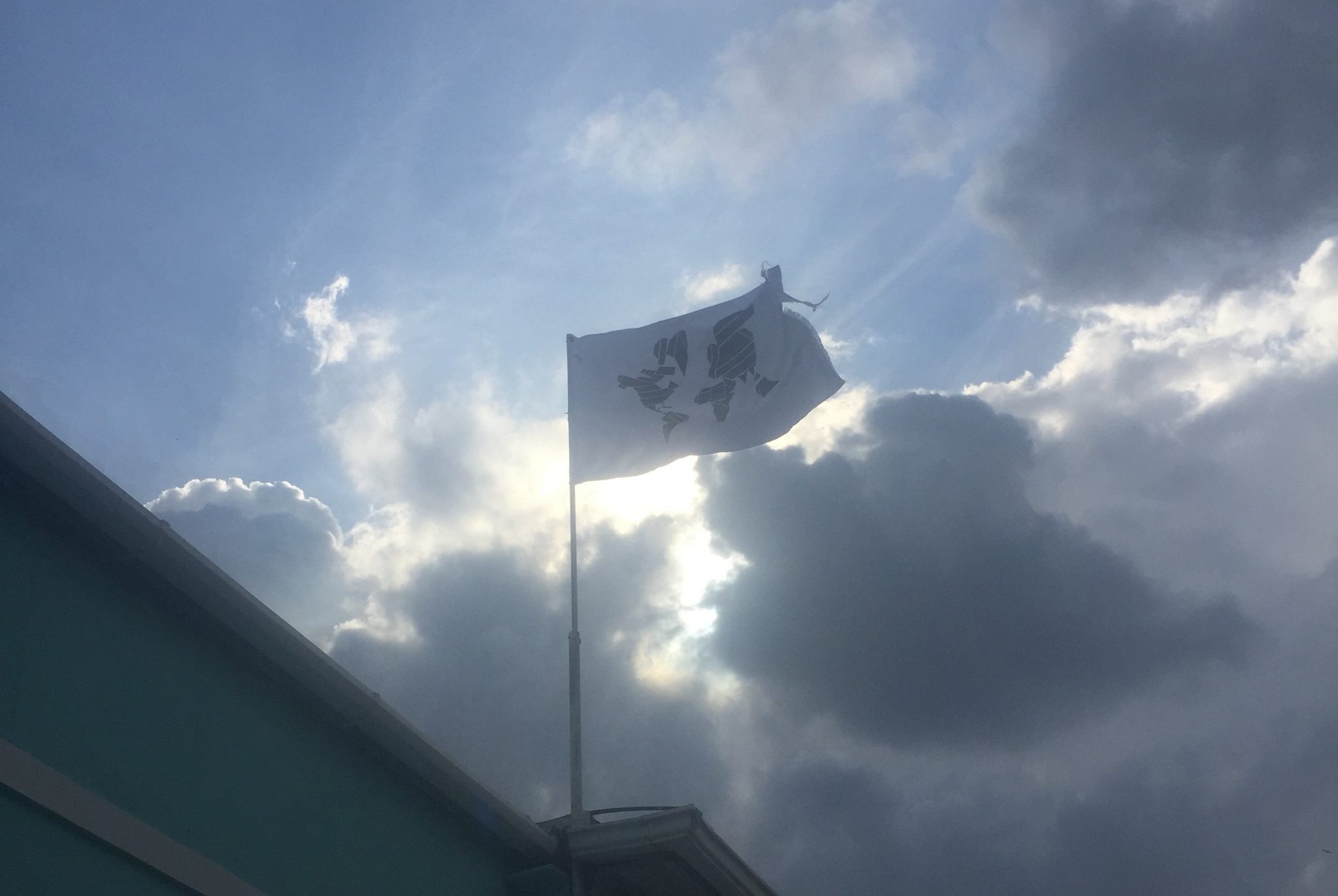
The Crosstown Rebels flag flying high at Get Lost Miami

The Crosstown Rebels flag flying high at Get Lost Miami

During the week I attended other parties. A beautiful sunset cruise with Kölsch and Anthony Attalla organized by Paradigm Presents and Vested out of Chicago, the always special Crew Love reunion at the Electric Pickle and a super-packed Yoshitoshi showcase on the Patio top floor of Heart Nightclub. Notice the trend? Not once in an entire week did I cross the Causeway to step foot on South Beach and with the exception of a one-hour lunch last year, this is now the second year in a row where I failed to attend any parties or industry events away from Downtown Miami. Plenty of industry friends informed me of half-empty pool parties, separate events that joined forces last minute due to lack of ticket sales and other indicators that pointed to what seems to be a changing of trends with MMW/WMC and essentially the landscape of the electronic dance music industry. As I was in the middle of penning this piece, Beatport released an article entitled “A Very Honest Chat About Miami Music Week on Slack” that touched on these exact same observations and what appears to be a shift within the way this iconic week is organized and takes place. The evidence is there for all to see and there is absolutely no denying that Miami Music Week as we used to know it is no longer. But why?

On one side of the argument, the split and rivalry between MMW and WMC has undoubtedly caused a shift in how the week in Miami is perceived in the first place. Let’s not forget that this started as a convention to bring industry professionals together through a series of panels, discussions and events aiming to serve as an essential platform for electronic music to grow in the years to follow. It also served as the opportunity to give new talent the needed stepping stone into a scene that is hard to break into, for up-and-coming artists to be noticed in what can otherwise sometimes be a dog-eat-dog scene. It appears that the split between MMW and WMC has essentially watered down the purpose and importance of this yearly trip to Miami, with parties focusing on making money with big line-ups of already-established acts and DJs playing up to 7-9 parties in a matter of days. What used to be one of the key electronic music conferences of the entire global industry is now being overshadowed by the mere selection of all-too-similar parties that form it (150+ MMW parties this year), and by the expanding nature of other important industry gatherings and conventions such as ADE, Decibel, The BPM Festival, SXSW (the same week as MMW this year), etc. How about the fact that SXMusic Festival debuted in St. Martin a mere week before MMW with a selection of top-tier artists across the space of 5 days? At which point does cost for those faithful to MMW/WMC become a real issue with the increasing saturation of events that are filling up electronic dance music fan’s calendars on any given year?

Clearly, however, not all was gloomy on the MMW front. Space was packed as usual, popular sunset cruises (Sasha, Stereo Productions and tINI & The Gang are just some examples) sold out and Get Lost cemented itself as the must-attend party of the week with a bustling crowd that kept the party going for a day straight. And to be honest, reports coming from some of the most popular pool parties such as All Gone Pete Tong do mention great crowds. But the shift is as visible as it is inevitable if nothing is done to change things. Not only were there less people in Miami during the week but the focus moved from the pool parties and South Beach clubs to the venues in Downtown that remained opened deep into the next day’s afternoon or, like with Paradise and Get Lost, events that offered immensely stacked line-ups, as well as new and bigger experiences for the right price.
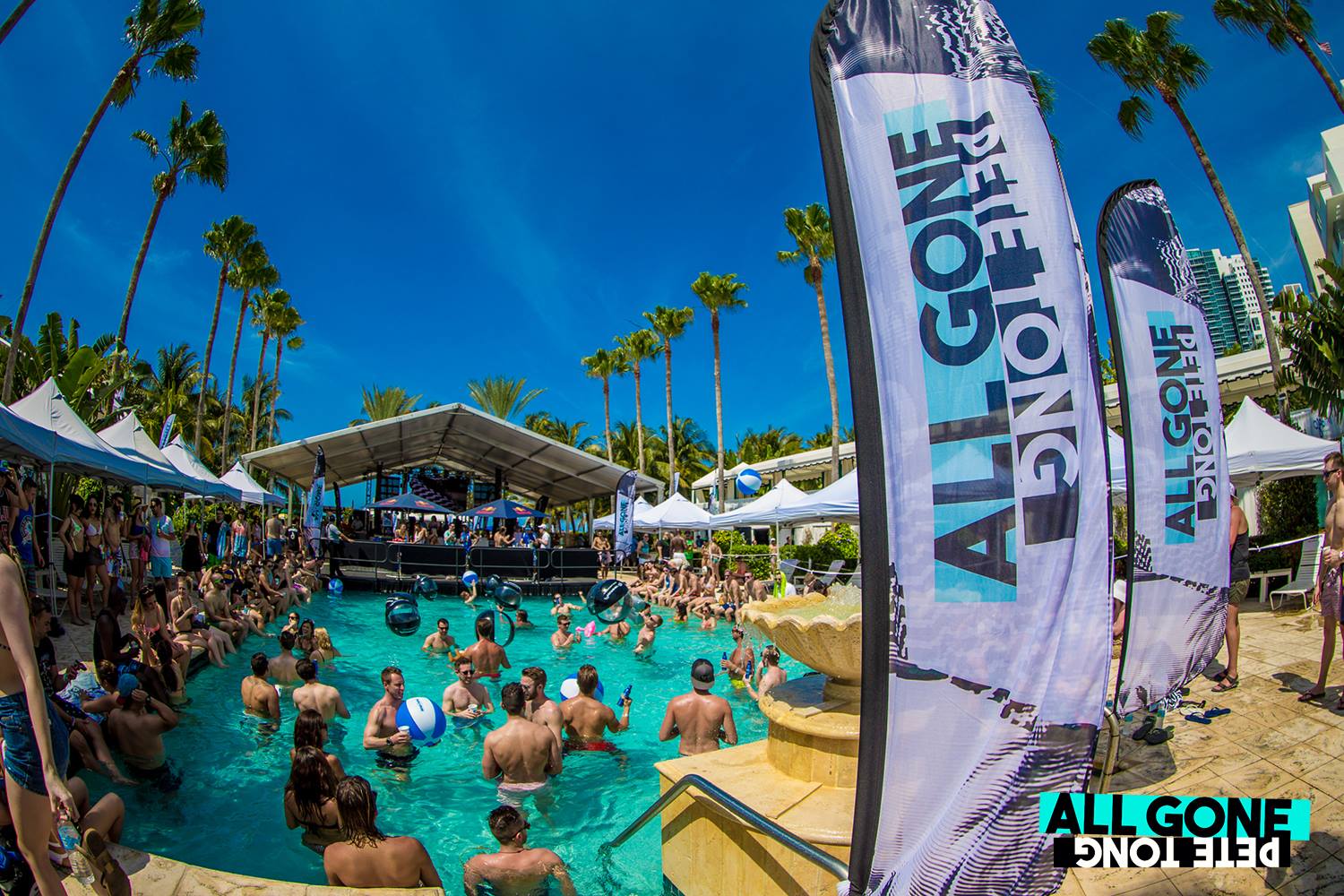
All Gone Pete Tong pool party

All Gone Pete Tong pool party

It’s sad to say, but it may be impossible for MMW and WMC to team up again with the purpose of revamping and reinvigorating what seems to be a dying industry must-attend week. There were plenty of parties to choose from the entire week but if one thing is for sure, it’s that Get Lost alone might represent the future of MMW in the years moving forward. Cookie-cutter club nights and pool parties will always remain fun, but if Miami wants to regain the large slice of industry attendance it seems to have lost in recent years, it will need to look at those events that bring something fresh to table as an indicator of what works and what will keep on working in future years. Creativity, giving space to fresh talent and offering something no one else can have made Damian Lazarus’ series of parties (Get Lost and Day Zero) stand-alone events of their own regardless of the plethora of other functions happening around them. While the Terrace at Space will always be packed for Marco Carola’s never-ending sets, the same cannot be said for the tens of other events that don’t work to reinvent themselves when they need to.

It may be wishful thinking at this point, but here is to hoping that Miami learns something from 2016. It’s hard to imagine the world of electronic music without MMW/WMC and I am thankful that Get Lost and other leading promoters continue to strive on imagination and change to keep the week alive. Here is to hoping that in 2017 and beyond other promoters can do the same, or, and this may be stretching it, the powers behind the conflicting MMW and WMC can find a way to bring back the spirit of Miami in March as we used to know it. But for that, a little helping hand for Ultra may be needed.

6AM Exclusive: Rony Seikaly – “Sword” EP out on Yoshitoshi Recordings

RonSeikaly

Rony Seikaly is no stranger to Yoshitoshi, having released his upbeat single “Holdin’ On” and its techy B-side “Faces” on the imprint last year. What “Sword” confirms, however, is both Seikaly’s music production acumen and his well-deserved place in today’s house music scene.

This two-track EP, exclusively premiered through 6AM, has everything it should have. The bass is decidedly heavy, yet both tracks remain relentlessly melodic and easy on the ear. “The Sword” is tribal in nature and packed-full of groove, a perfect track for the early hours of the morning. “All Of A Sudden” completes the EP perfectly, following suit with interlaced chords and a heavyweight kick over elegant percussions.

Make no mistake, Seikaly’s strength and experience as both a producer and DJ have been paying off, as his recent billing alongside Music On chief Marco Carola prove. “Sword” is the ultimate testament to that, delivering the ideal dance floor selection for any DJ looking to get a crowd dancing into sunrise.

The digital release is available for purchase on Beatport and for your listening pleasure below:

Connect with Rony Seikaly: Facebook | Twitter | Soundcloud

Connect with Yoshitoshi Recordings: Online | Facebook | Twitter | Soundcloud | Beatport

6AM Exclusive Premiere: Anthony Attalla – “F1/Why Do You” out on Yoshitoshi

Anthony Attalla

To say that Anthony Attalla has had a meteoric rise in the last couple of years would be a big understatement. The Detroit native and Chicago resident has come up through the ranks thanks to strong releases on his own Incorrect Music label, Sharam’s Yoshitoshi and other world-renowned imprints such as Suara and Toolroom. Coupled with the ever-popular Incorrect Label showcases including the famous Groove Cruise Incorrect Afterhours, Attalla has created a massive cult following in the States and beyond.

Following past strong releases on the Yoshitoshi label including “Stranger” and “Fever,” Attalla returns exclusively through 6AM Group with two dance floor-ready heavy hitters right in time for the New Year.

“F1” immediately strikes as a must-have in any house DJ’s arsenal. Its bass-heavy staccato and bumpy groove is not only hypnotic but serves both as the fitting track amidst other dance-friendly records and to raise things to the next level in any set.

Conversely, “Why Do You” is muddier in all the right ways. Leaning towards techno, the track is armed with frenzied percussions and infectious bass. Its cloudy and enigmatic vocals give a sense of respite from the heavier techno, making this a track that fits a wide range of sounds.

This release arrives in perfect time for the New Year, and right in the middle of Attalla’s tour in Thailand. If you’re in the LA area, make sure to catch him in action at Exchange with Suara boss Coyu on the 2nd of January as he returned for a series of US dates for Winter 2016!

You can hear the full EP below, and buy the tracks on Beatport!

Connect with Anthony Attalla on Facebook | Twitter | Soundcloud | Resident Advisor