Posts

Desktop Record Cutter (DRC) Campaign
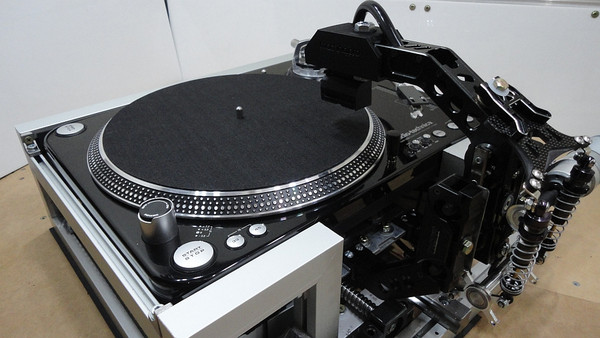
ConceptAustralian Paul Butler Tayar and the Machina Pro team are onto some very interesting vinyl technology as we move into the New Year. They have a Desktop Record Cutter (DRC) in development that would allow people the ability to produce a vinyl product themselves. This is an exciting development that is looking to gain more support and traction within the next month.

According to the team on their Kickstarter page, “the DRC is automated using precision engineered technology for ease of use [for new cutters], whilst allowing custom control, upgrades and modification for the experienced engineer”

Source: DRC Kickstarter

Here’s one of two “Proof of Concept” videos that briefly show what the DRC currently looks like and is capable of:

Tayar and Machina Pro aim to raise $10,000 Australian dollars ($8,321 USD) for the project in order to increase production, buy in bulk, and lower the cost of the retail price. They state that if the minimum goal were reached they would be able to retail the product at $6,500 USD. Now, initially this seems like a high price point for something that is in a niche industry making a comeback. But vinyl sales are up the past two years, and projects like these clearly aim to bring life into a world that has become so dominated by various digital mediums.

For the true vinyl enthusiast and audiophile, this could be a revolutionary new addition to a collection and skill. However, some think this is too involved for the average vinyl consumer, which is reasonable to say. Most people aren’t knowledgeable on vinyl cutting, I sure as hell know I’m not, and beginner settings aren’t enough to influence or encourage me to take it up as a hobby. But where I think the DRC has potential is for many artists who are also involved with individual labels and collectives. This can be a great opportunity to press some fresh white labels, or even kickstart some more vinyl only labels. Sorry, no pun intended there.

The DRC project currently has 25 people backing it, and has raised $1,497 AUD. With 24 days to go on the campaign there is still ample time for people to get behind the ideas of this technology. It’s already peaked the interest of many in the industry, so we’ll keep an eye on it and see where it goes.

For full information, statements, and how to contribute take a look at the teams DRC Kickstater Page
 

Human Sized Synth in Tokyo

Synth featured

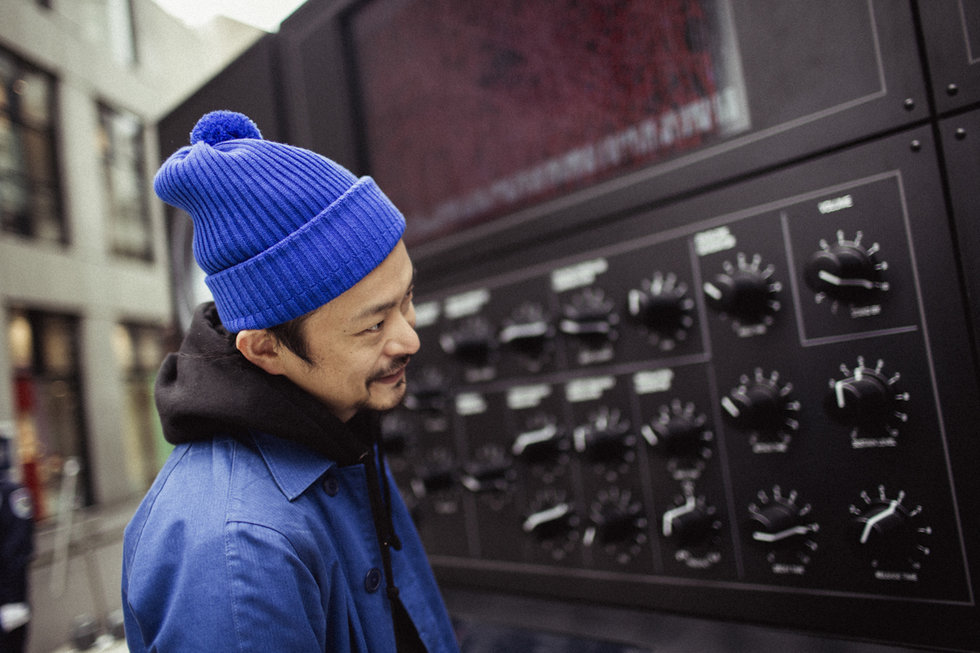
Those walking the streets of Tokyo may have stumbled upon a fascinating synthesizer display recently. It would certainly be hard to not catch the eye, considering the synth is about twice as tall as most people. This amazing human sized synth was developed by Daito Manabe and Rhizomatiks in conjunction with Red Bull Music Academy and iconic audio manufacturer, KORG. Take a look at this brief video to see what happened when they took a piece of studio gear and transformed it into an instrument of the public.


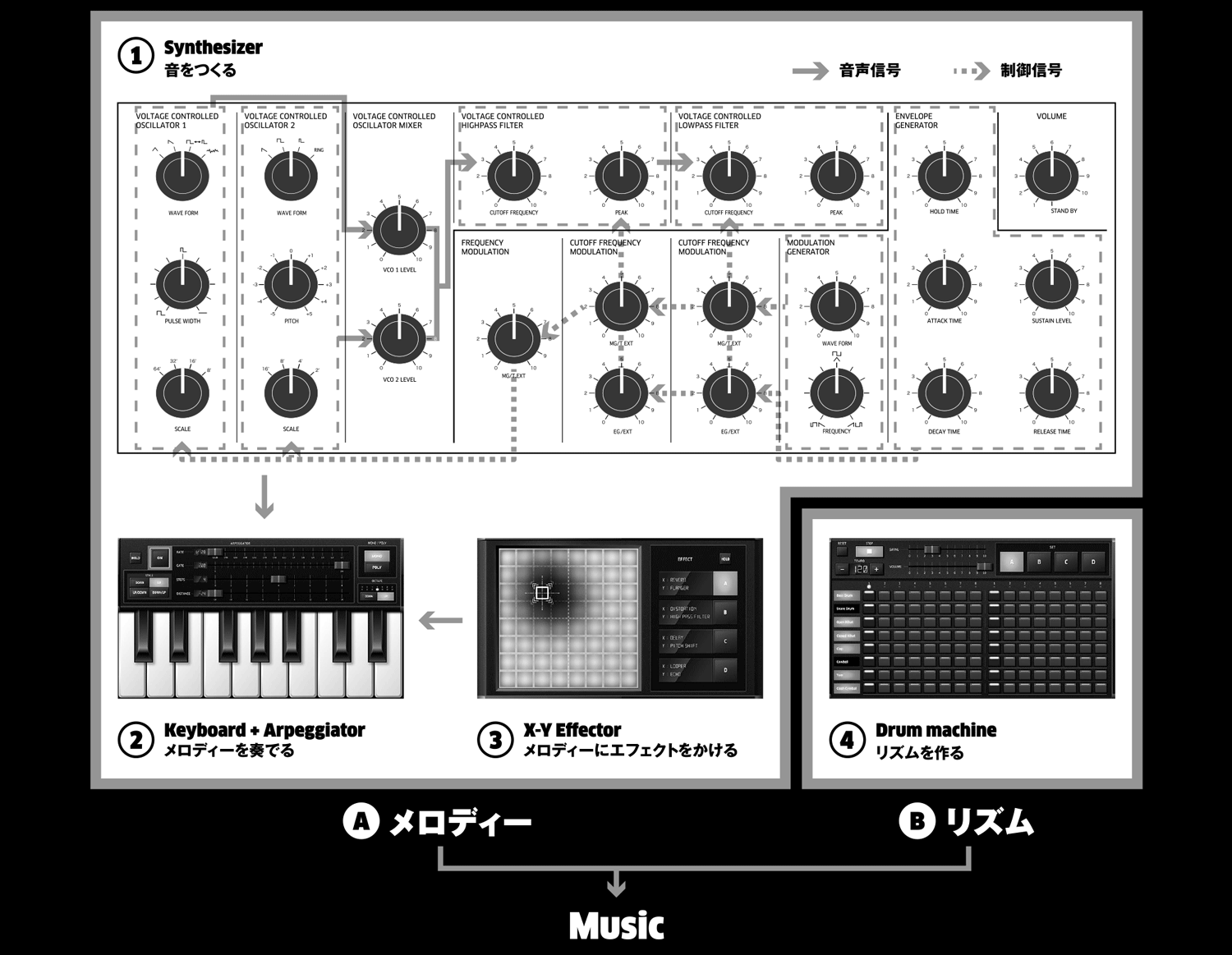
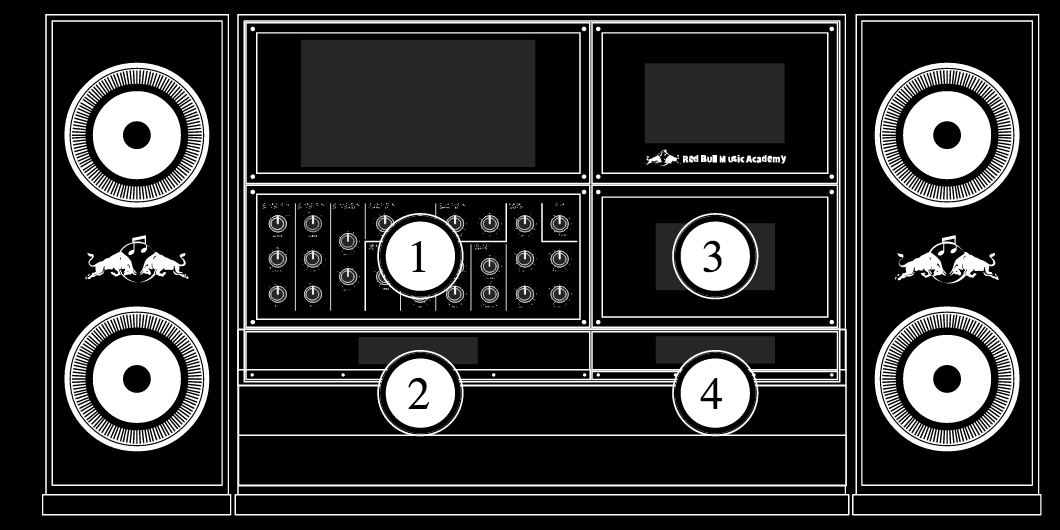
The human sized synth manages to include many great features that are desirable in any normal sized synth such as a keyboard with arpeggiator, X-Y effects unit (similar to that of KORG’s Kaoss Pad series), and a step sequencer for drum patterns. All the power to make a full track available right in the middle of Tokyo, that’s pretty incredible. Manabe kept the user interface relatively simple to encourage all members of the public to participate, even small children. But at the same time included enough options to allow the synth to function normally, and more knowledgeable audiophiles could manipulate the synth to their liking. Below you can find two diagrams provided by RBMA explaining the layout of the synth and functions.

layout

schematicsThe top picture illustrates what the user sees on the synth itself, and the picture below that is a visual explanation of the features and signal path. Section 1 is the part of the synth with the various parameters commonly found in most synths such as the sound wave oscillators, filters, and envelope adjustments such as attack, sustain, decay, and release.  Sections 2, 3, and 4 are touch screens on the human sized synth, including the specific features such as: the arpeggiated keyboard, the X-Y effects pad, and the drum sequencer.

Music technology exhibitions such as these are a great way to get the public involved and somewhat informed about the gear and processes that go into making music. The human sized synth displayed in Tokyo did just that, and appeared to have people of all backgrounds experimenting with different sound textures and patterns. Probably not the most practical new piece of gear for a home studio, but maybe people will start getting creative and reinvest some time and interest in analog gear.

The 4D Soundsystem: An Auditory Experience

4D Sound System

When the studies of Nicola Tesla are applied to music, the result is extraordinary. Inspired by Tesla’s studies of space and human energy, Paul Oomen has managed to create an auditory experience unlike anything in the world today. His creation
the 4D Soundsystem.

The goal is to create a musical environment where the space tells the story, and for people to listen to sound, “as it exists in the world”, states Ooman. In this video, Ooman, Poul Hollemann, and Diynamic artist Stimming discuss the multiple aspects of the 4D Soundsystem, such as the audio routing and essential speaker set up.  After a truly spectacular explanation of how the system is created, the video concludes with clips of Stimming performing, or shall we say
experimenting with the 4D system. Could this be the future of live performance and club life? Take a look for yourself, and see what the 4D Soundsystem is all about. You can watch the video below, and go here for further information about this revolutionary sound system.

Also see: Max Cooper on the 4D SoundsystemÂ