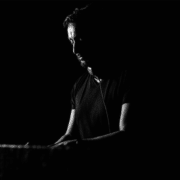
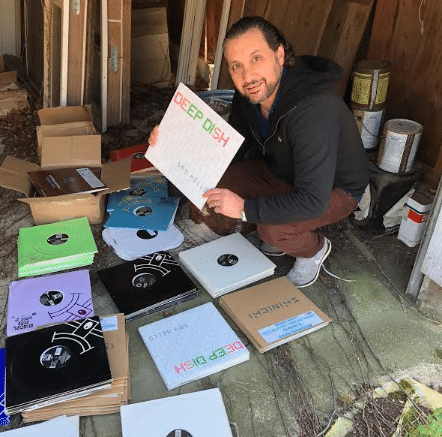
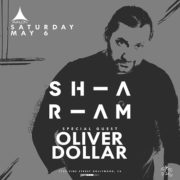
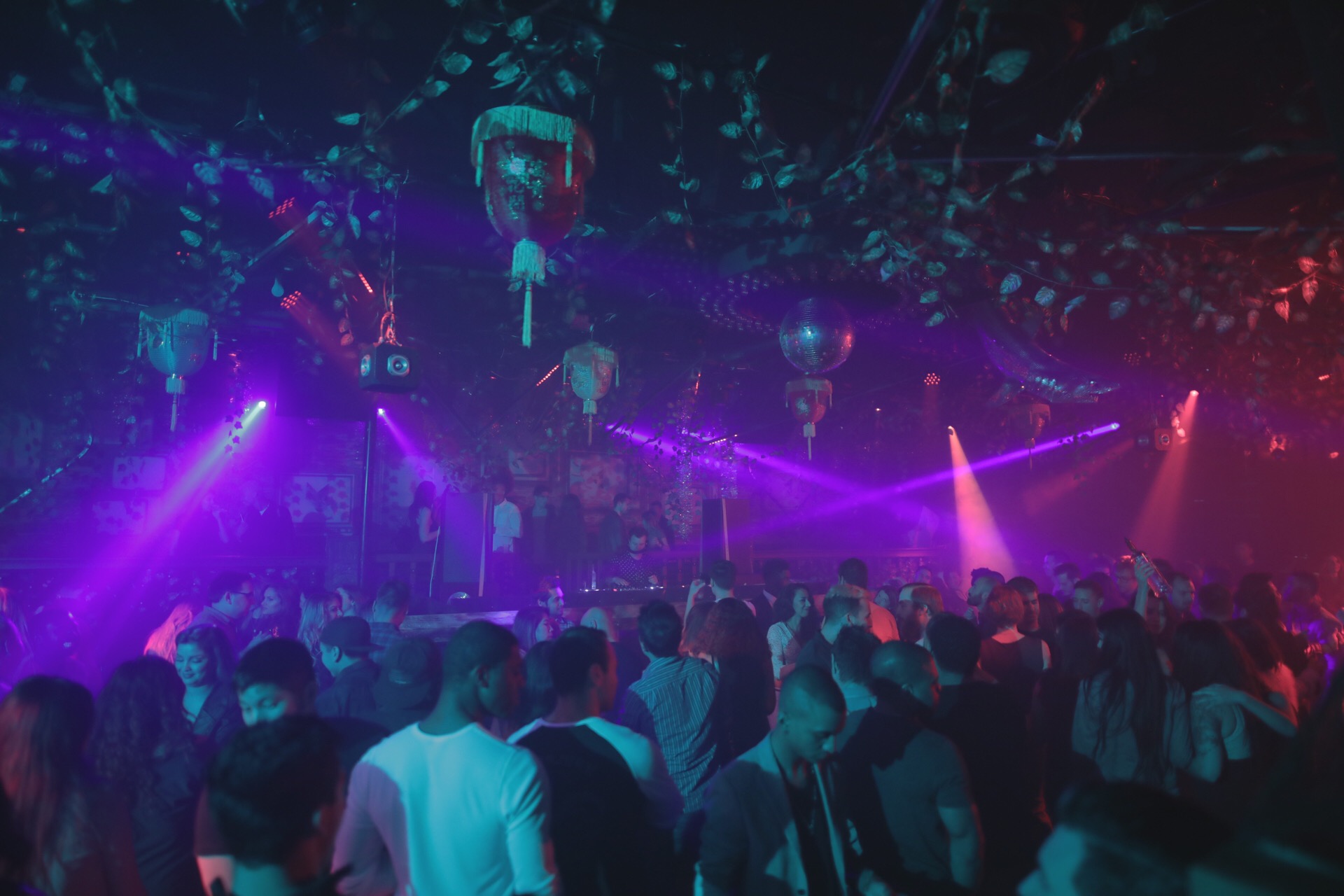
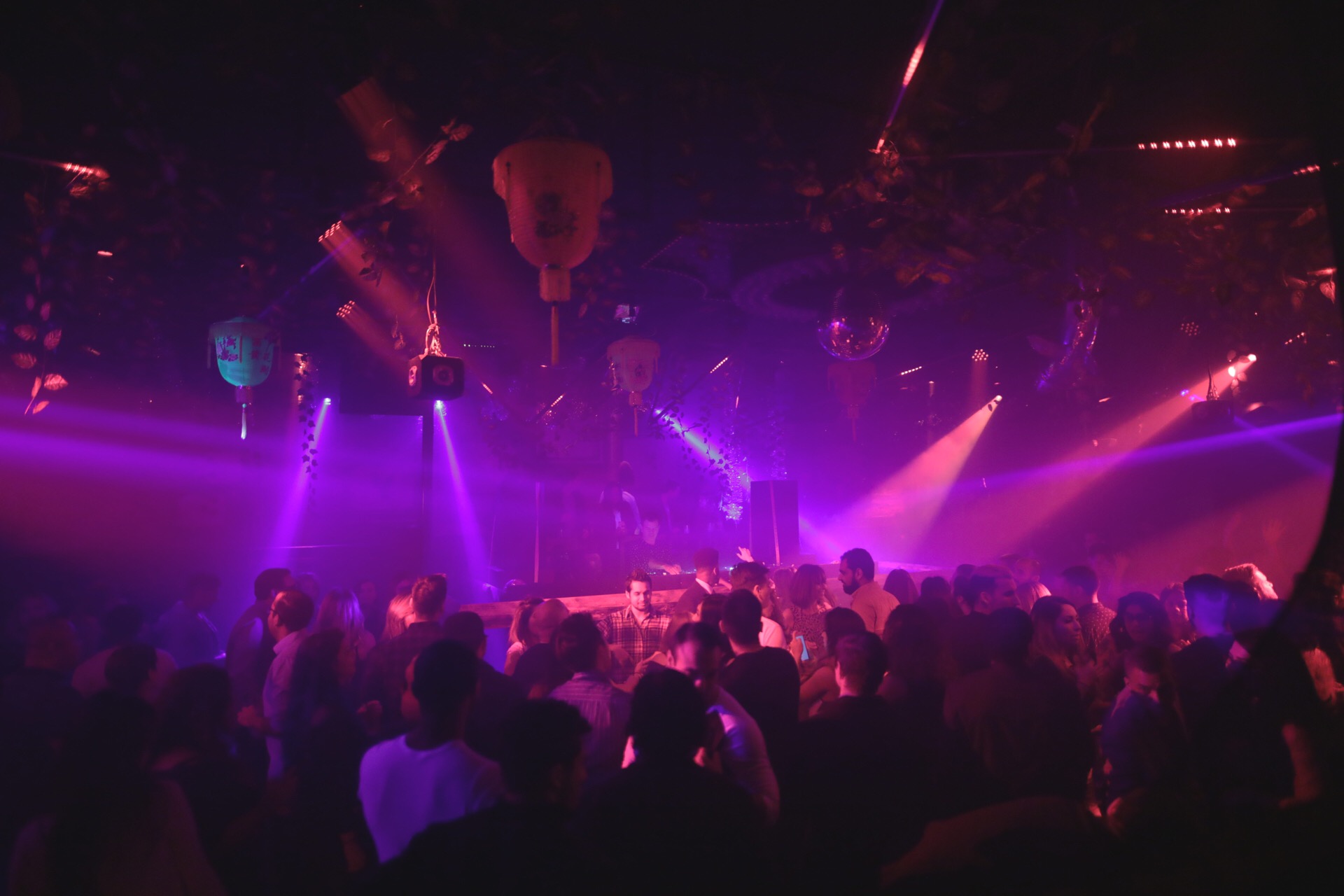
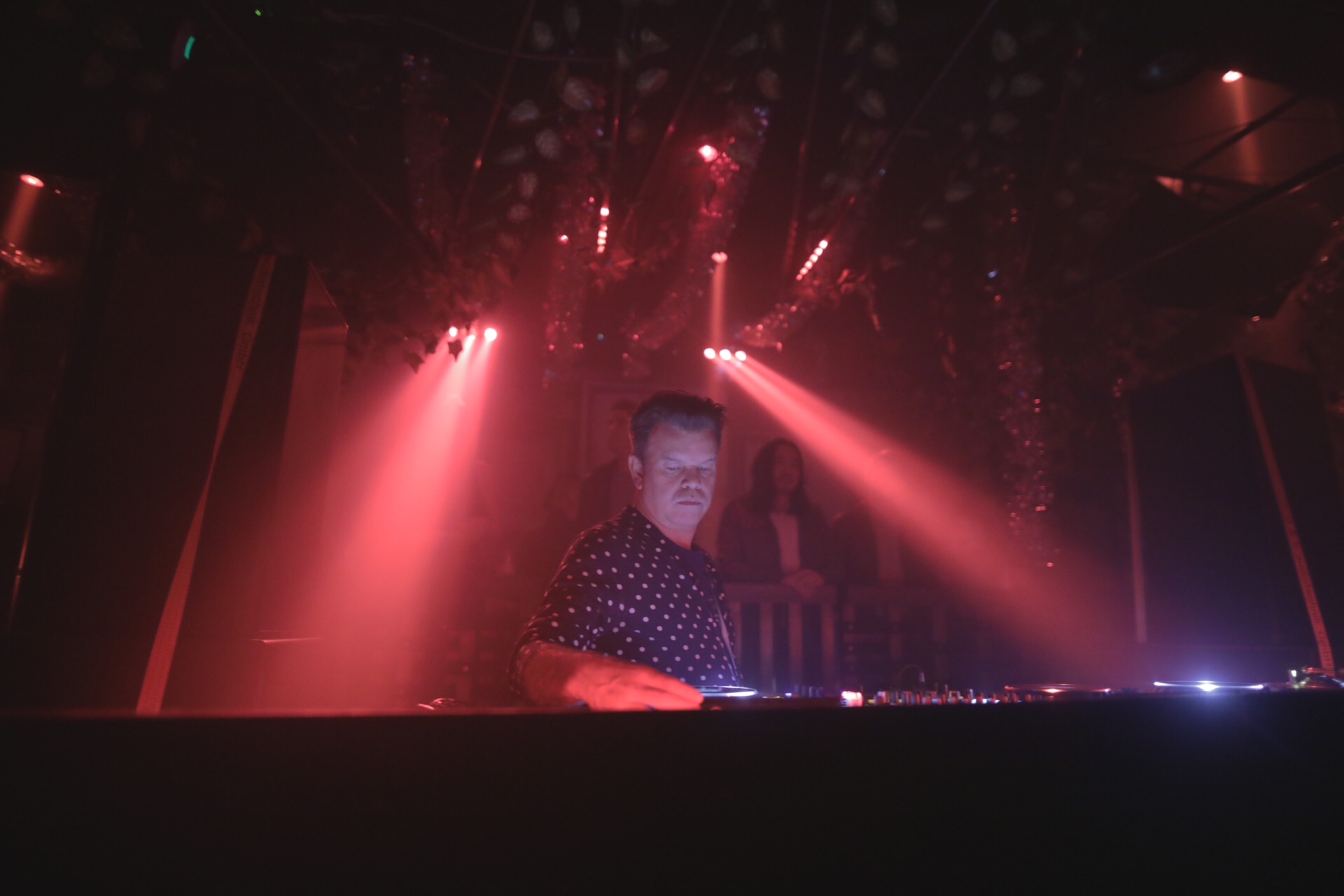
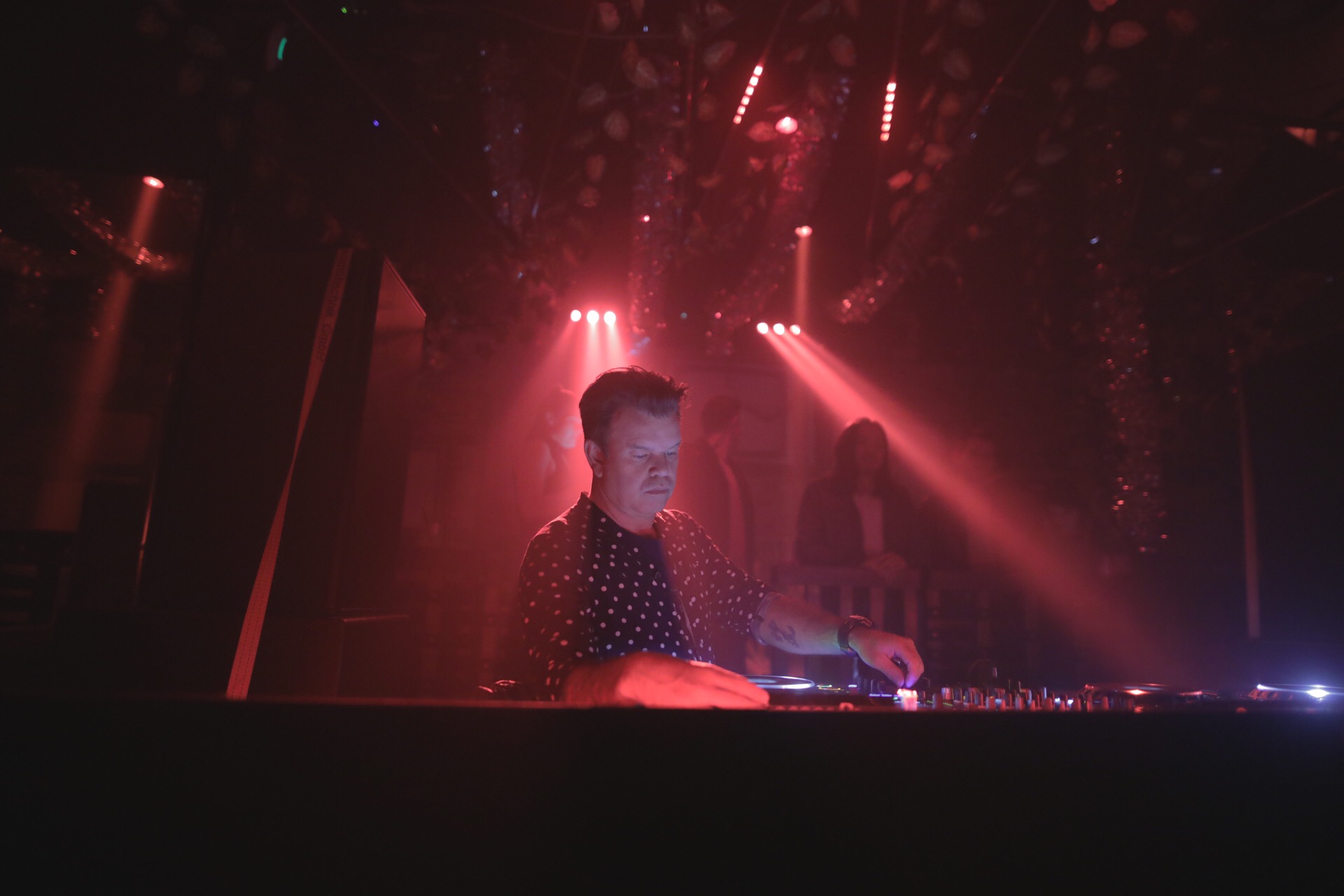
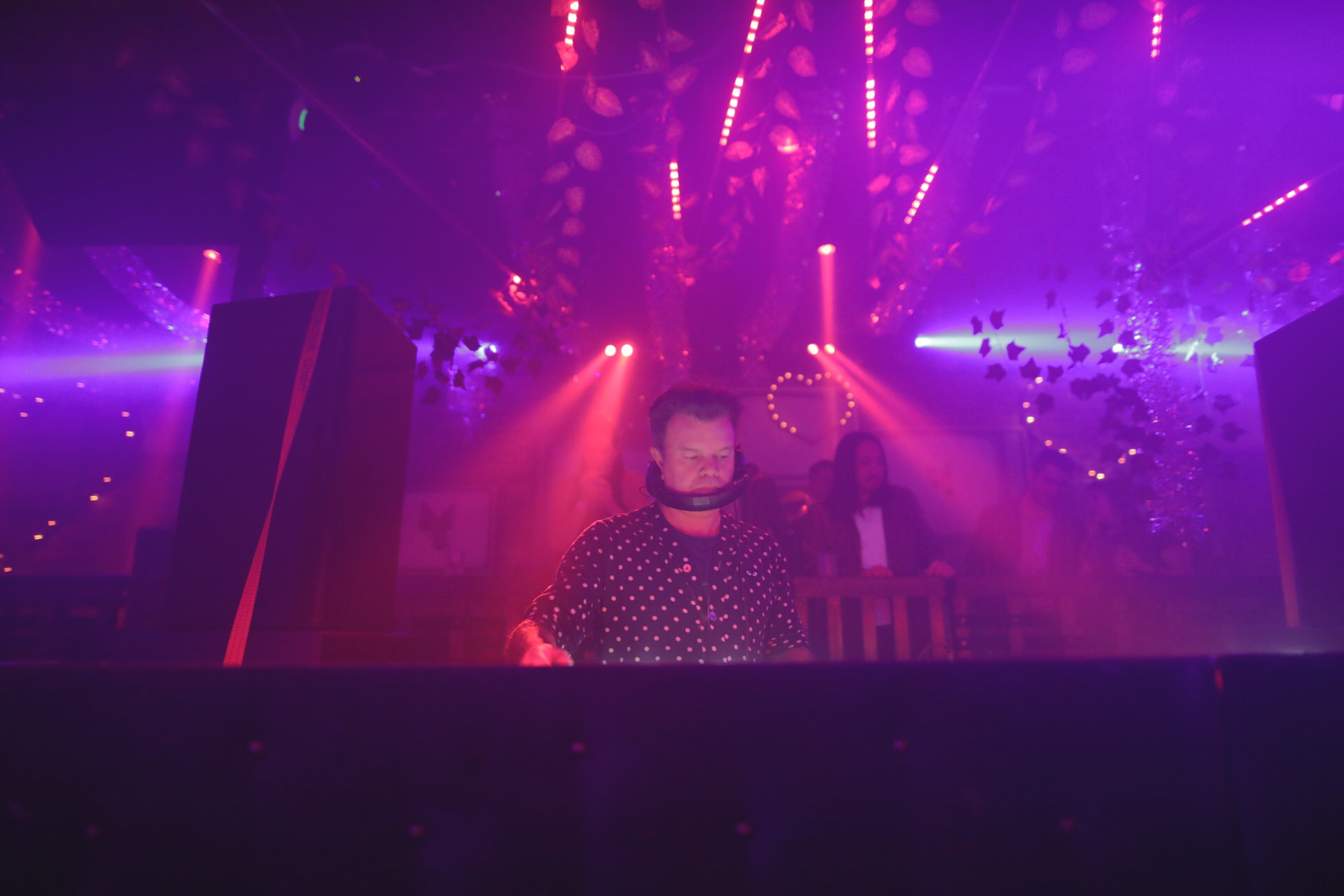
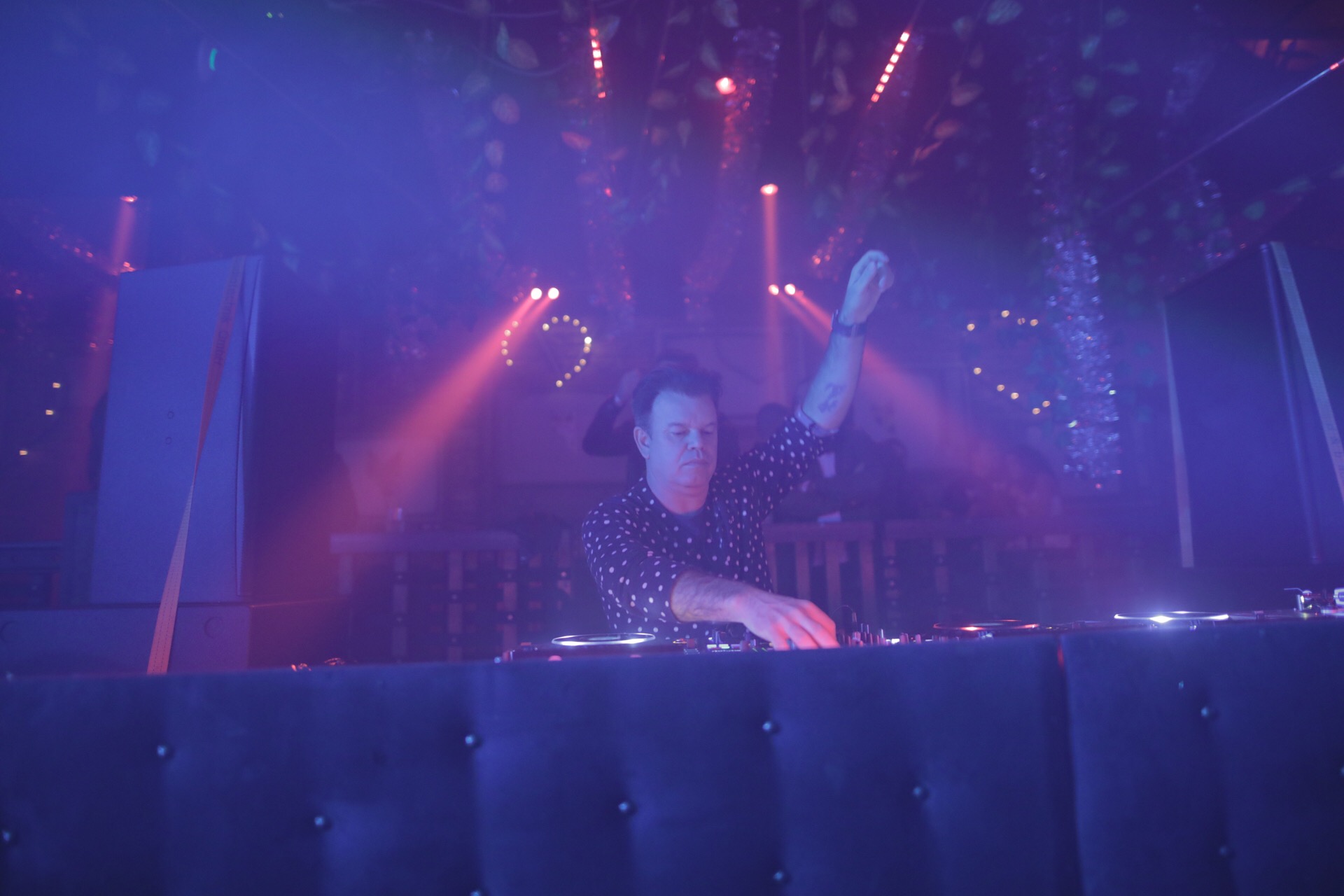
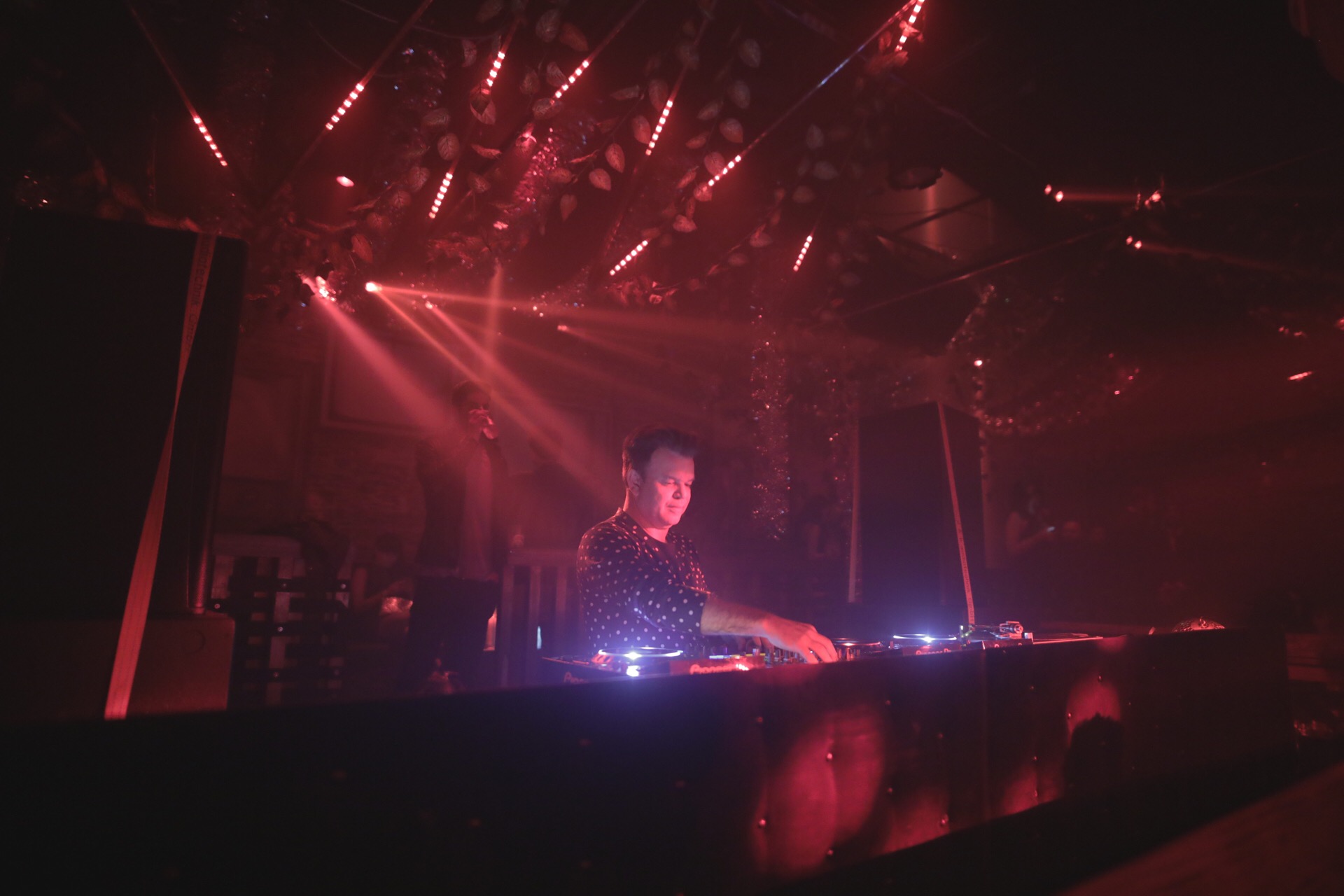
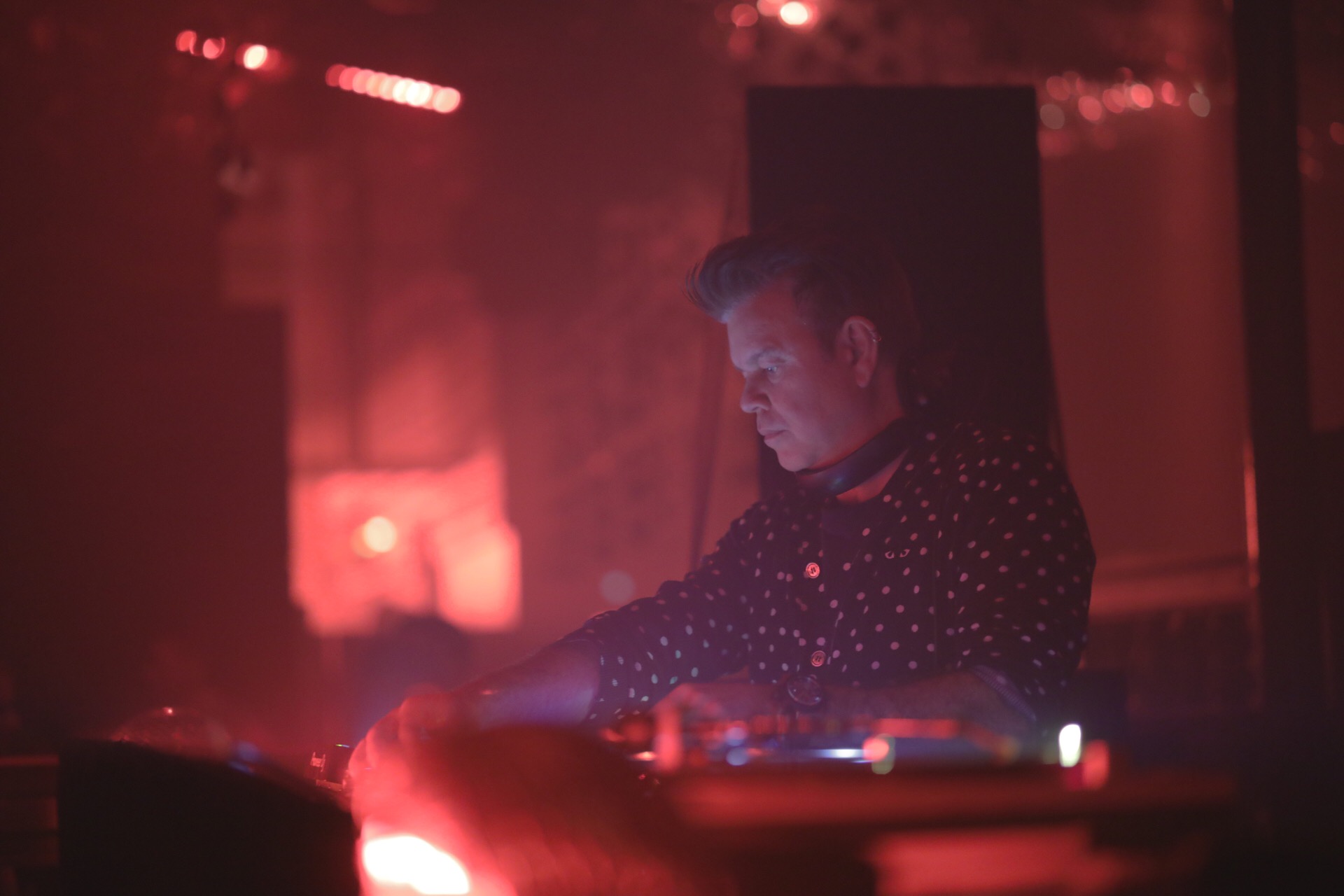
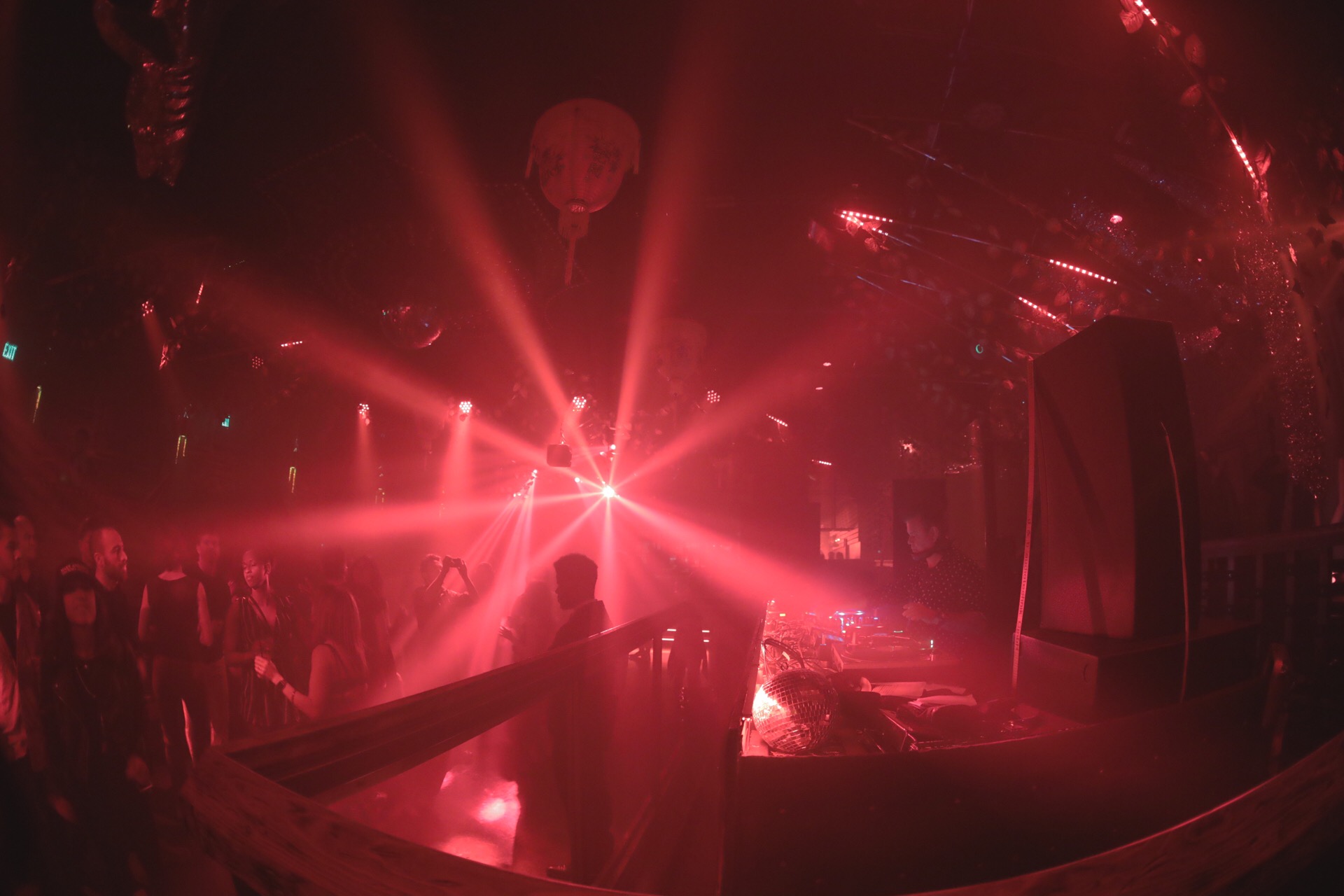
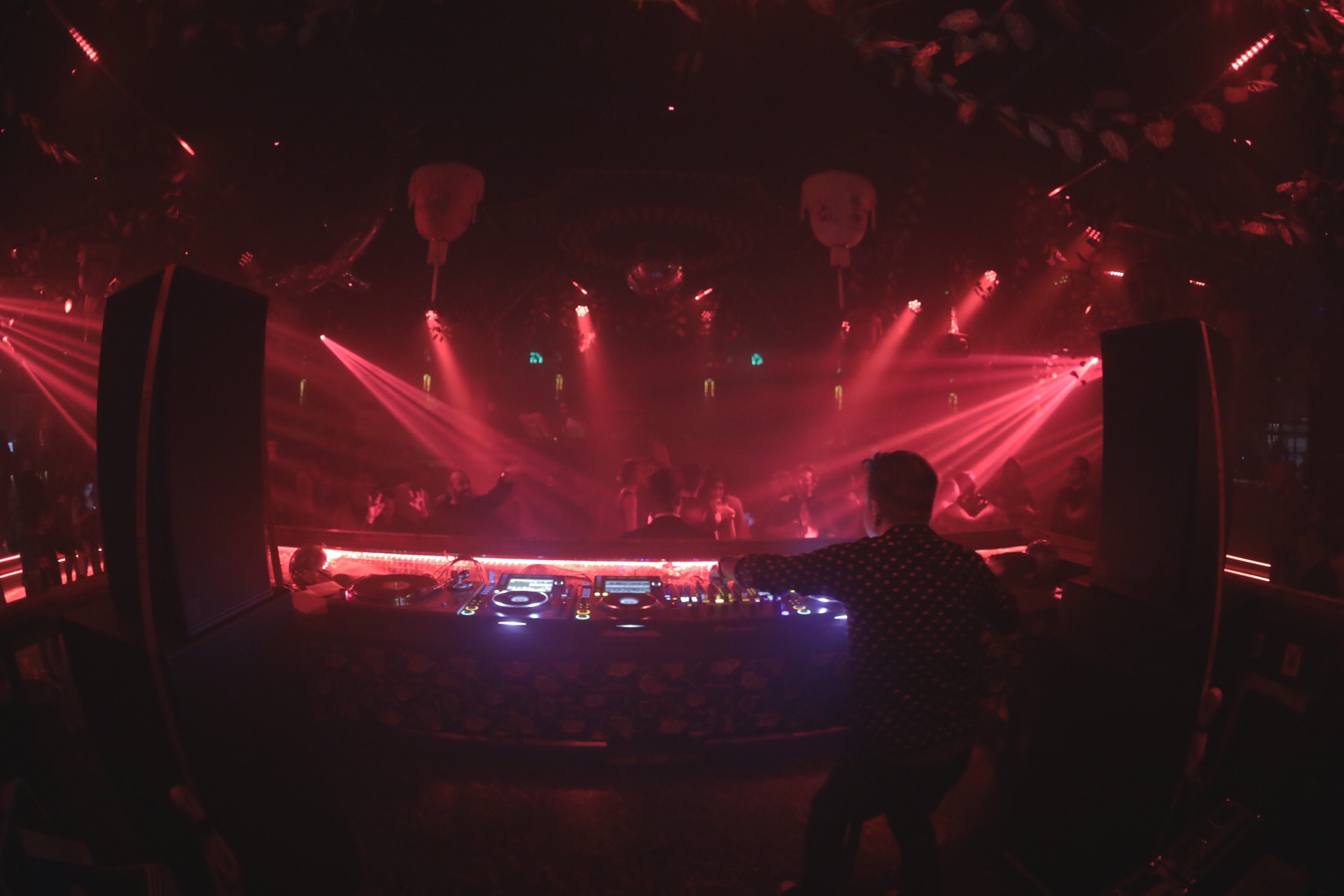
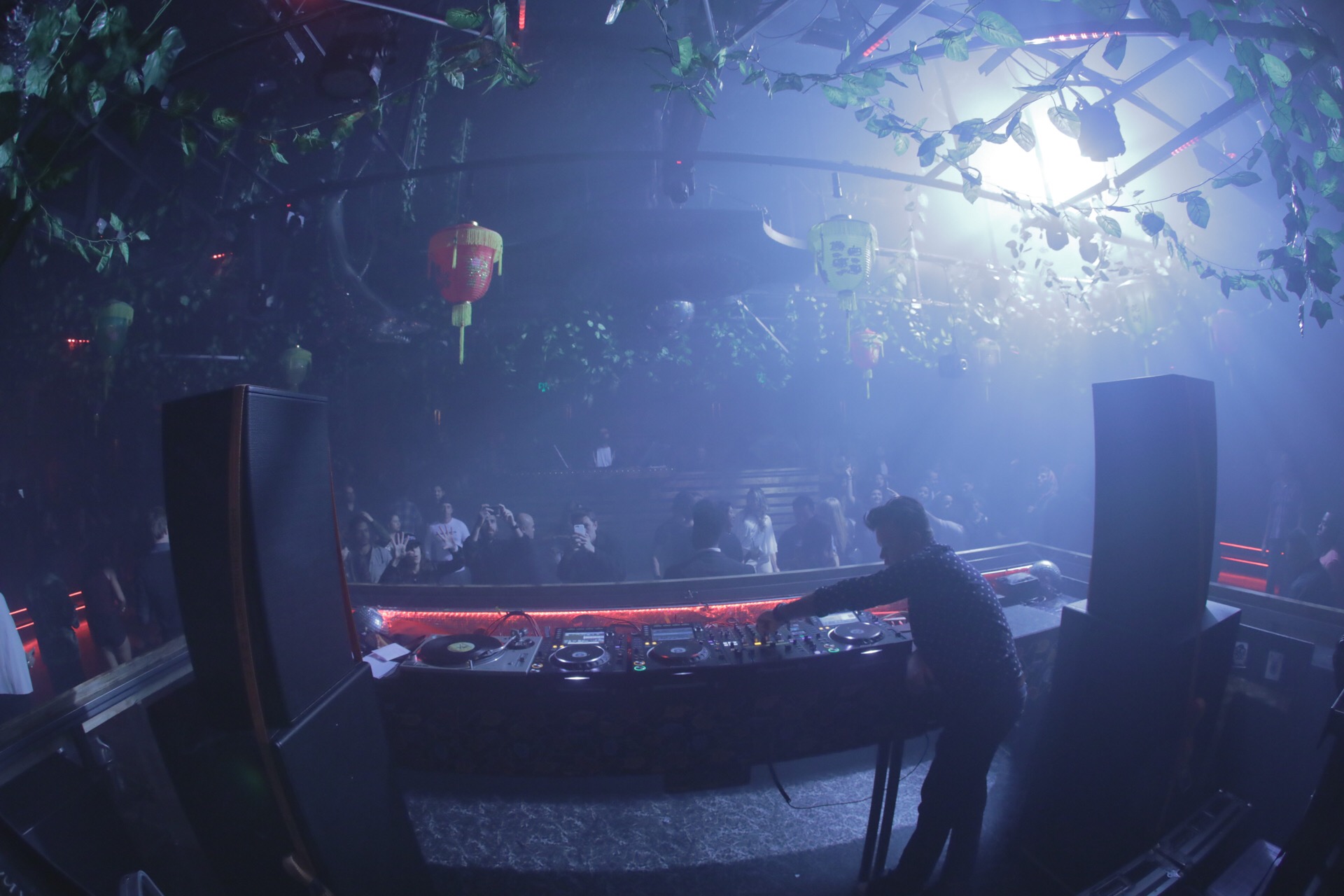
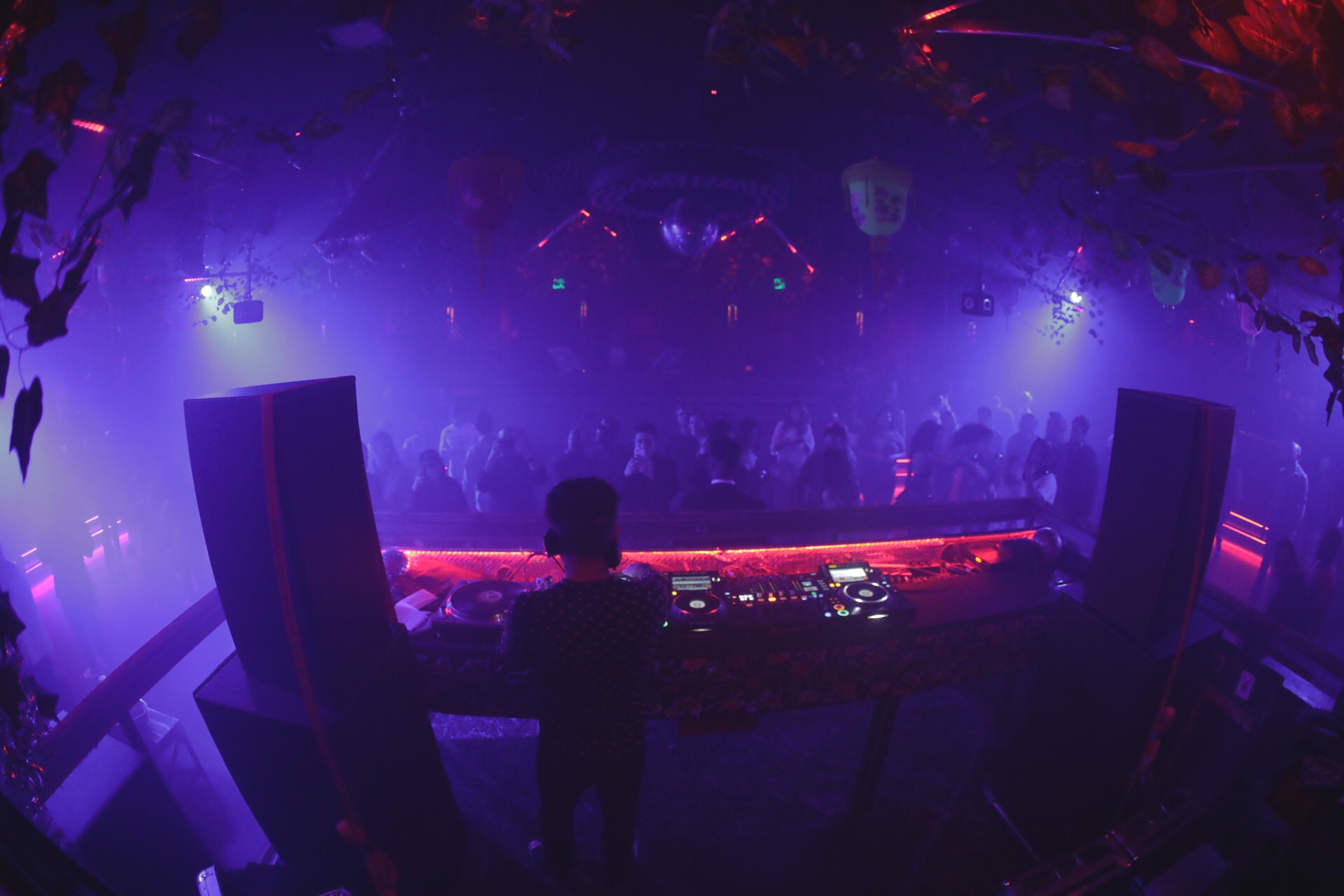
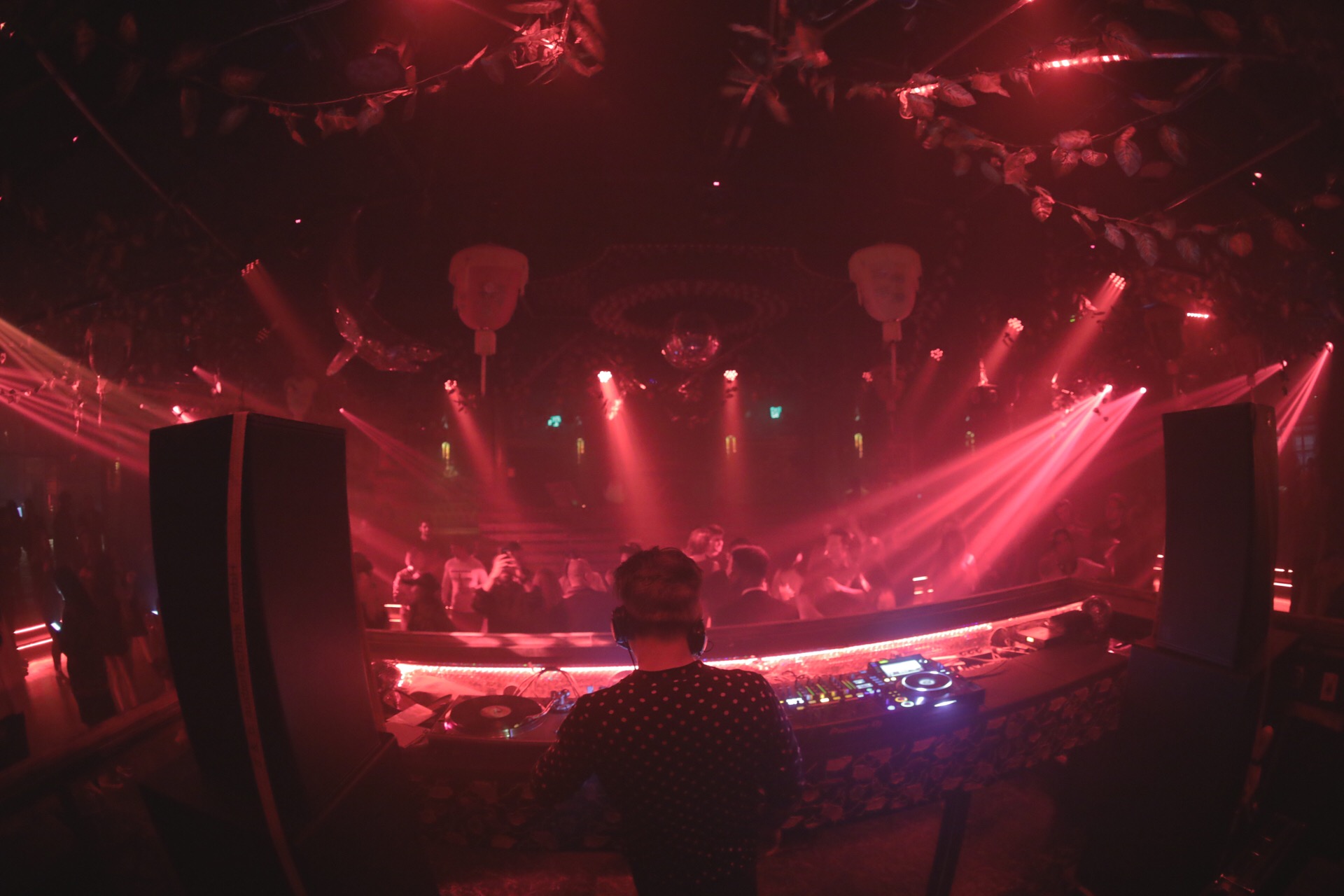
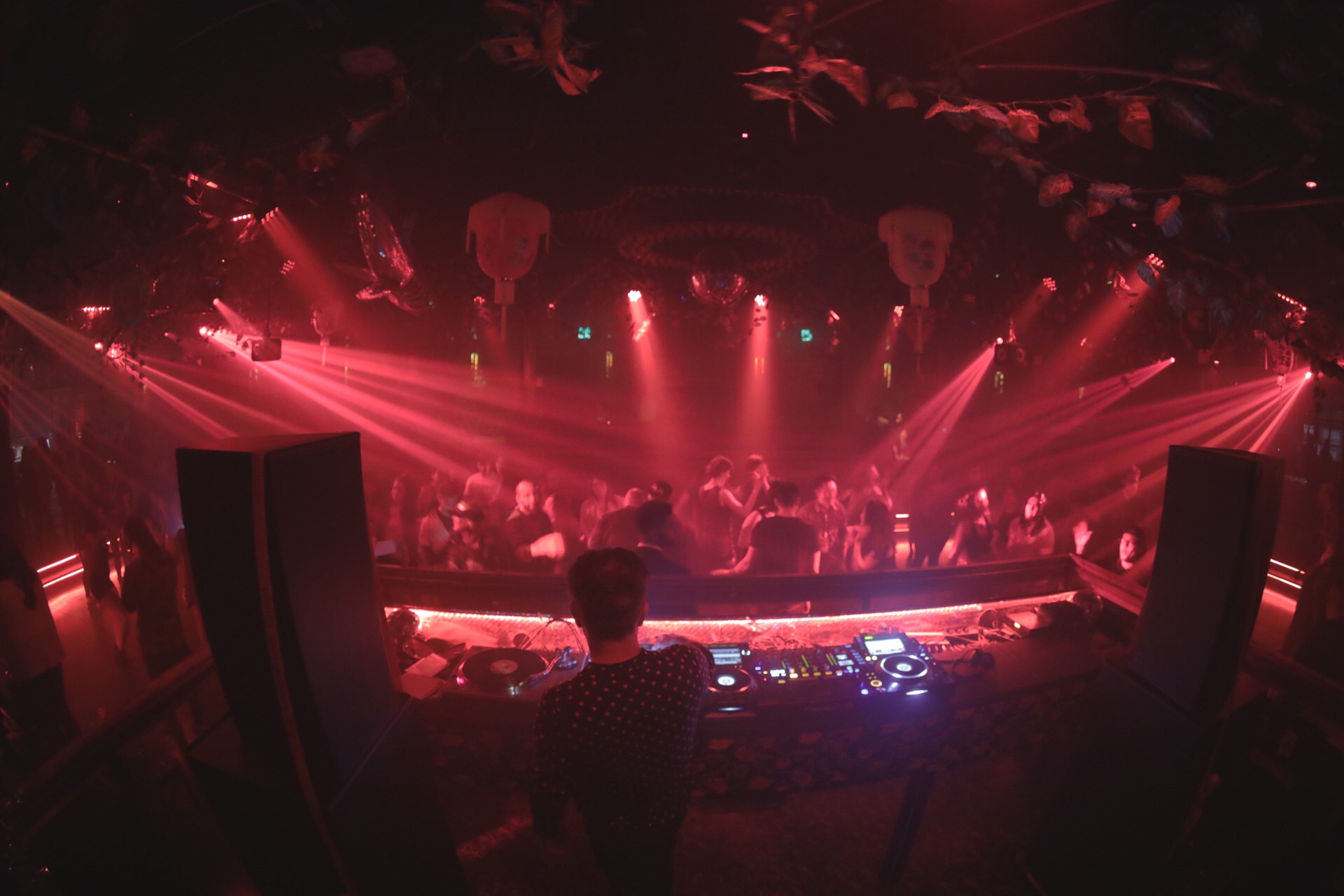
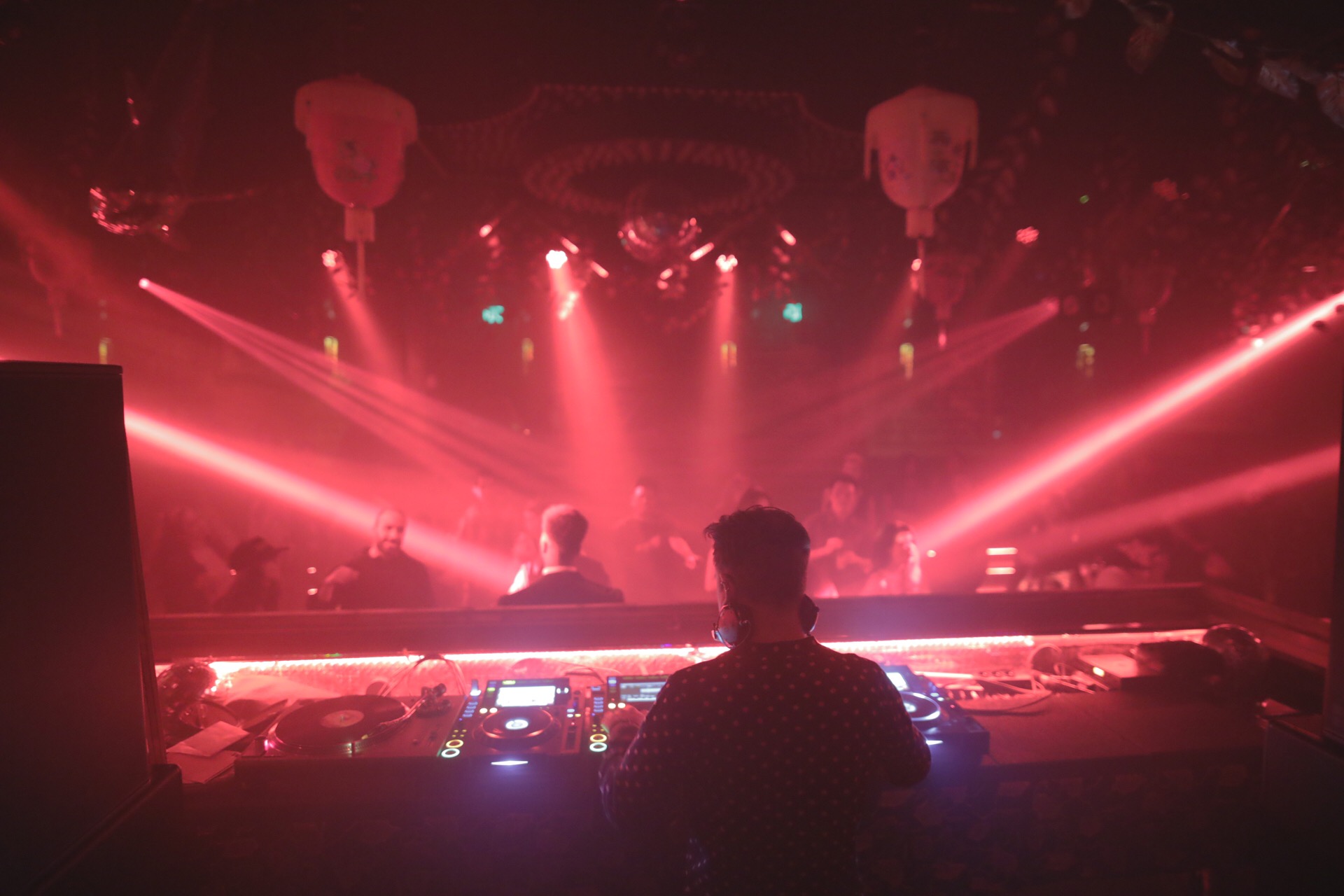
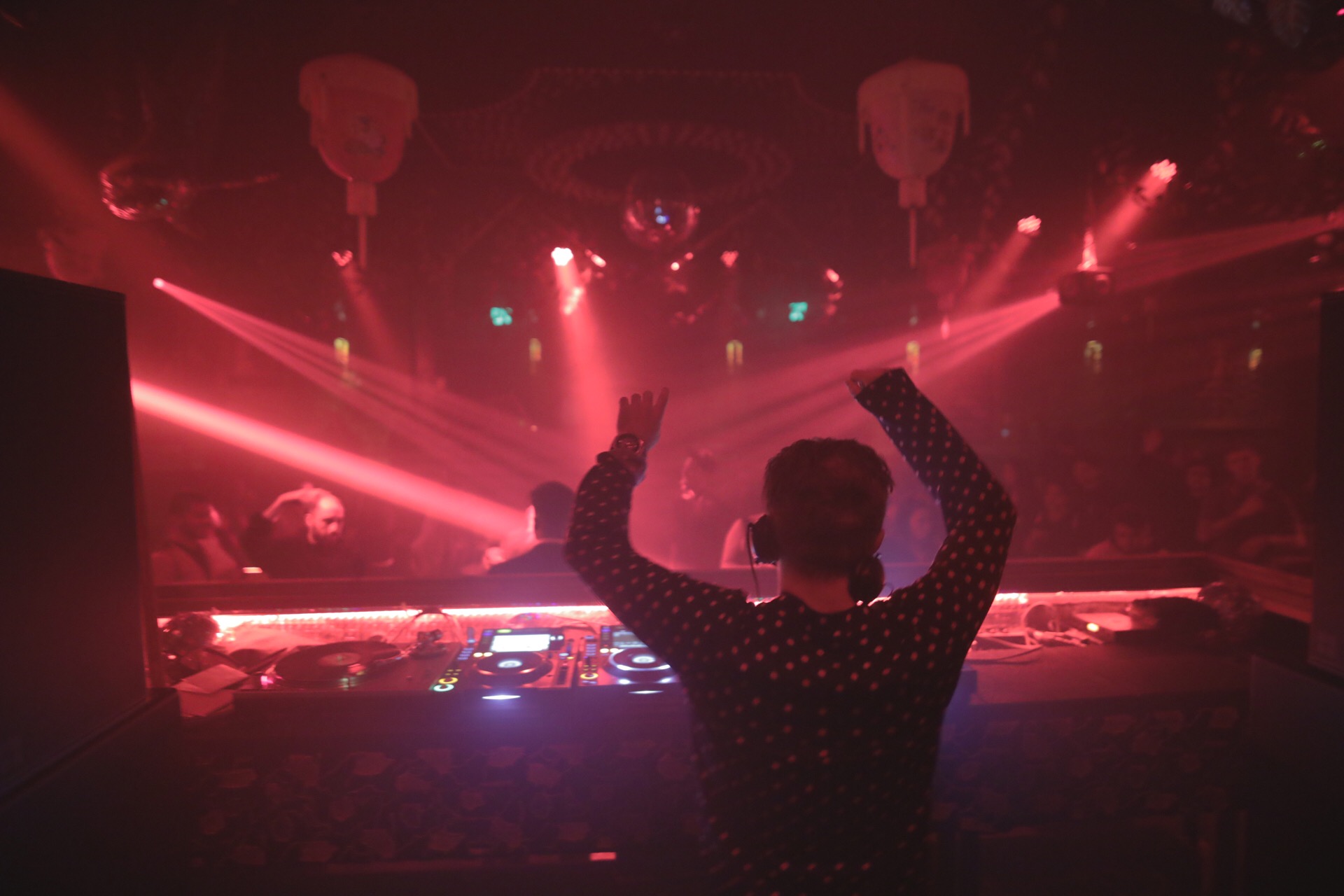
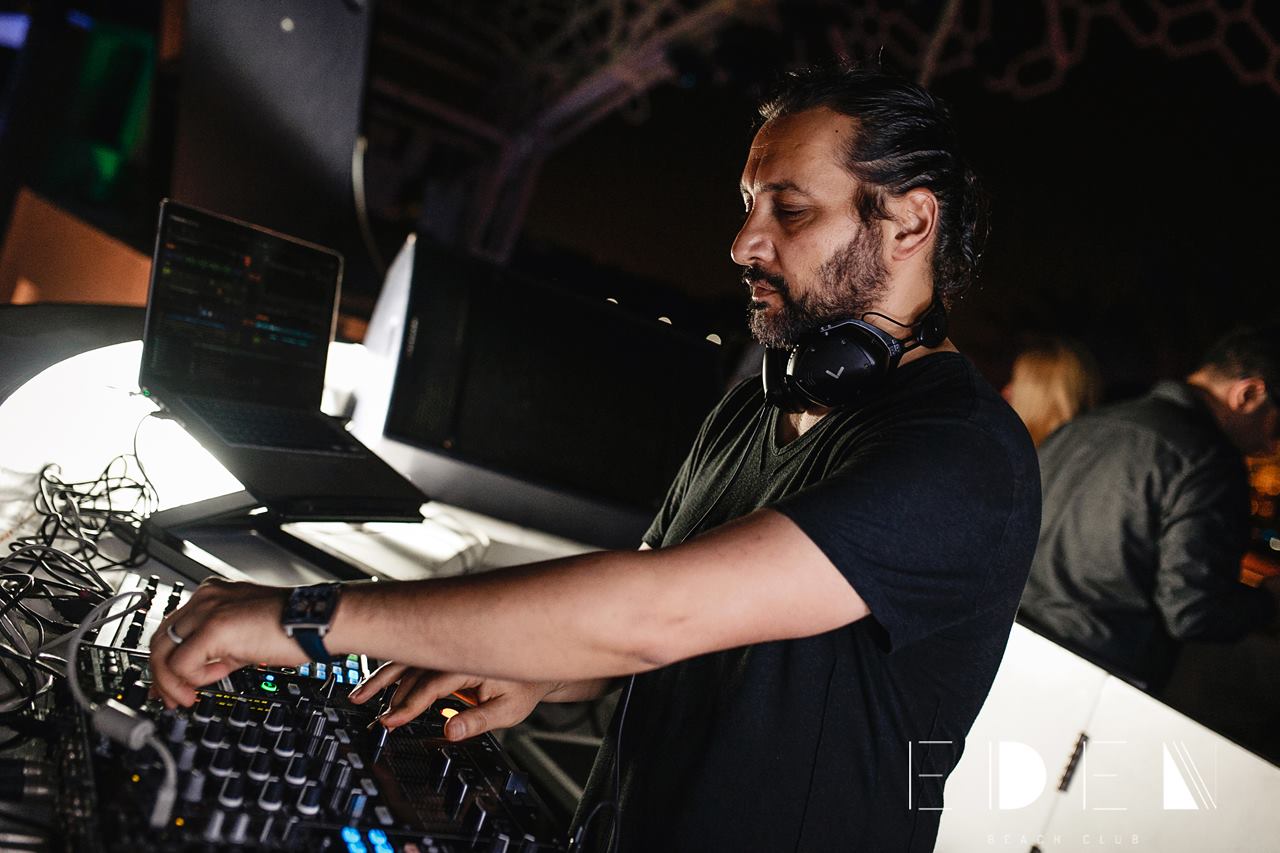
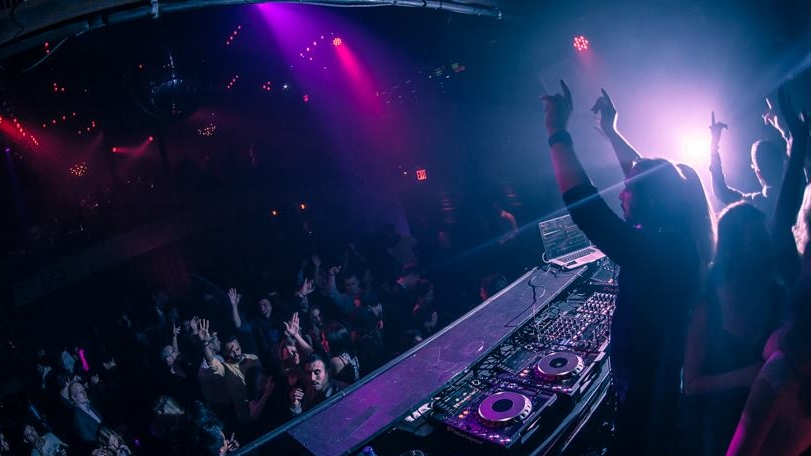
Sharam is a citizen of the world, both by upbringing and by profession. One-half of the iconic duo Deep Dish, and equally as successful as a solo producer and founder/owner of his label Yoshitoshi, Sharam was born in Iran, later emigrating with his family to Washington D.C.. It was in the nation’s capital that Sharam’s love for music had the chance to grow and expand, allowing his prowess as a producer and skills as a DJ to become a full time job as a musician.
Over the years, Sharam has continued to make D.C. his home, while simultaneously touring the world alongside Ali (Dubfire) as part of Deep Dish, and as a solo artist and head of his own imprint. Although he took a hiatus with Deep Deep for a few years, in 2015 he reunited with Ali for a number of dates that saw the duo play at Ultra Miami, in Ibiza, at ADE, three separate Creamfields festivals in South America and more.
This month, Sharam announced and released his latest album called “Retroactive”, a sophomore LP that comes seven years after his debut solo work “Get Wild”. The album, originally announced with the title “A Warehouse” debuted with a spot on the Top 10 iTunes Chart on the release day, a true testament to Sharam’s undeniably strong popularity and quality as a producer. Despite the name change, “Retroactive” remains true to the same message communicated with the album’s prior title: the LP revisits Sharam’s roots with thirteen diverse yet cohesive tracks. Spanning influences that touch upon “early 80’s Giorgio Moroder inspired disco to futuristic, dark and hypnotic clubby affairs with menacing drum and bass inspired sounds”, “Retroactive” is an homage to Sharam’s past and present, as well as the future of house he undeniably continues to shape.
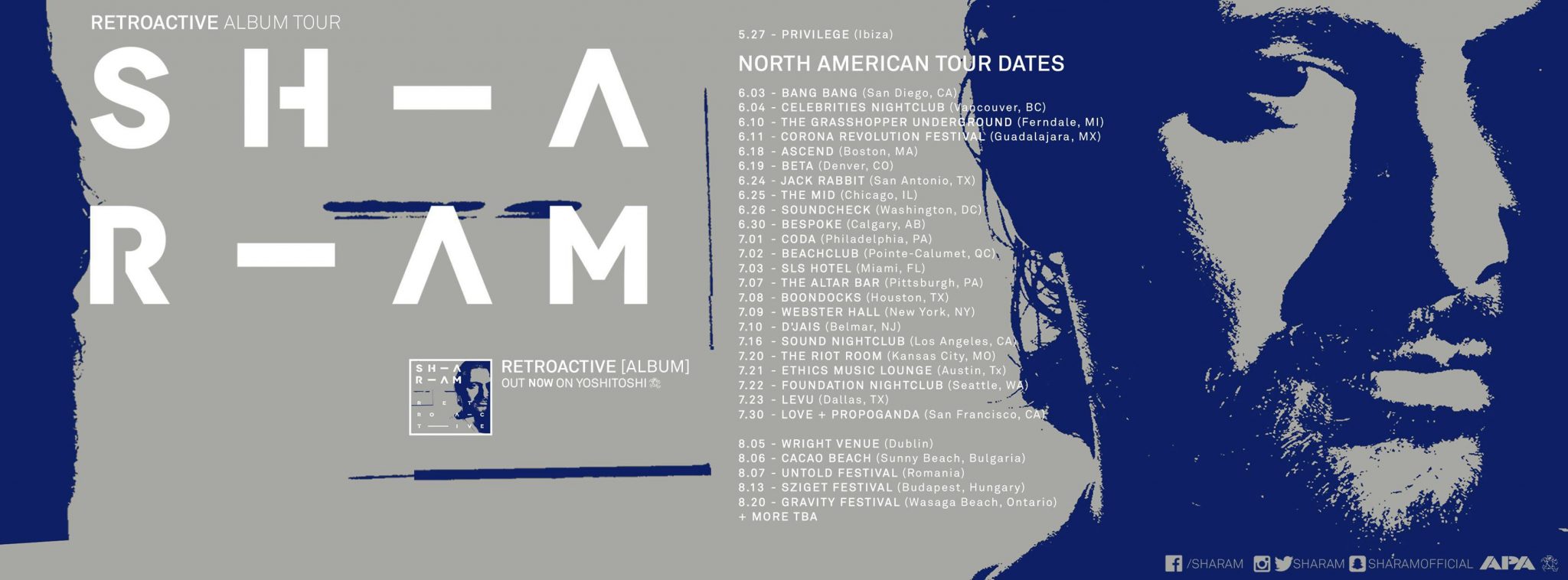
I had the chance to talk to Sharam while in the middle of an extremely busy tour promoting the album. His twenty-three stops in North America alone will keep on the road for the entire months of June and July, all before he jets off to Europe for some dates across the Atlantic. As we talked, he was about to travel to Chicago to play the 8th stop of the tour at
the Mid.
In our conversations we took the time to dive a little deeper into his past, and the influences that shaped the production and recording of “Retroactive” – the humble beginnings that led to the Sharam we know today.
With “Retroactive” we are seeing your return to your roots and major musical influences. Can you tell us a little bit about Sharam as a person, before music took over your life as a passion and career? Did you have any other hobbies or interests?
Music has always been a cornerstone as far back as I remember. Listening to music was a hobby for me. In post-revolutionary Iran you didn’t have access to a lot of music so I would find it through underground channels. It was TRULY underground because music, especially the western kind, was illegal. I was always fascinated with being able to transfer music between or mix them together through primitive devices that I had access to at the time. I also ruined many cassette players because I would open them up take them apart and could never fully put them back together! (laughs) When I moved to the US I continued with that curiosity, and then found out there is a thing called a mixer that made the mixing much easier and turntables that allowed you to change the speed of music that, together, enabled you to mix music together in a seamless fashion. WOW! That was magical. I was hooked, and that’s how I became a DJ. Soon after, I felt like I could make records and do it a bit differently than what was out there. That led to setting up a production team with Ali Dubfire as Deep Dish. Once we did that, we started to make some noise and were soon able to quit our day jobs and do music and DJ full time. We never looked back.
You’ve been extremely successful both as a musician and entrepreneur in the world of music. If music hadn’t crossed your path as a career however, what would Sharam probably be doing right now?
Hard to say. Probably some bob job in a tech firm or something like that? Or something that had to do with cars. i would have been a typical Persian used car salesman. Watch out!
In the past, you have talked about your early days in Iran and the lack of access to Western music. You mentioned how you would rent music video tapes on Betamax from underground rental places and record them on tapes to then play or sell to others. In that sense, your roots are truly underground. Did these experiences influence your direction in electronic music once you moved to the States?
Indirectly perhaps it did. You see, finding music – from underground sources in Iran, was extremely dangerous and rebellious. Kids in the western world latch on to punk or rock, or nowadays techno seems like the rebellious thing to do. We did that too as kids, but it applied to all western music, mostly pop. I mean, we actually risked getting caught and being punished. Imagine that. So when I came to the US I really appreciated the freedom and open access to find your own thing and explore it as much as your heart desired. The only thing between you and music was money. There was no piracy back then. I recall saving to buy a double cassette Walkman so I could go to a record store that had all their music on tapes in listening stations and record the tapes. I wanted to go listen to a tape that the in-store DJ’s had made and record it simultaneously on the double deck Walkman! Haha. I did buy that double cassette but never used it in that fashion. I just bought records. I basically worked to buy records. We would throw school parties with my friends so that I could DJ and make money to pay for new records, and eventually build up a collection worthy of club sets.
Some of your biggest influences early on include the italo-disco sounds of Giorgio Moroder, but also drum ‘n bass and innovative and progressive late 70’s/early 80’s bands the likes of Pink Floyd, Depeche Mode, New Order, Erasure, The Cars, etc. We can hear just how profound the sound of all these artists has been in your past work both as one half of Deep Dish and as a solo producer. Do you feel any of these artist played a more influencing role with “Retroactive” than others?
My original name for the album was Disco Tech. Disco because of those early italo-disco and Giorgio Moroder sounds I was emulating, and Tech because that’s what I seem to make more often than not. There is a lot of influence from early 80s from all those artists on this album. Stuff like New Order, Depeche Mode, Pink Flyod, Erasure, Cars, it never leaves you. It’s always lurking in the back of your mind and on this album I went full monty with it you could say. A track like Blind sits squarely in that era but it has today’s tech and drum n bass influence in it.
Washington D.C. has been your home for years now, so it’s natural for you to have established your Yoshitoshi label here too. How has D.C. as a city influenced you as an artist throughout the years?
DC is a cosmopolitan city, with many people from all walks of life coming to study, live permanently, or live temporarily through embassies and other international government-related work. So there’s a lot of international influence. Some of the clubs I used to go to, the music was a mish-mash of everything, but mostly European influences. You’d hear Gloria Gaynor next to Bony M next to Ace of Bass and some house records thrown in for good measure, with some Euro dance records added in too. What you would hear in DC clubs was basically what you would hear in San Tropez where music is a mix of big records from all around the world. Of course, I didn’t know that at the time. Only when I visited St. Tropez it clicked. The ‘trendy’ clubs in DC and NY were trying to mimic that vibe. Its interesting, because that vibe of playing a lot of big popular records is what influenced Morrillo when he was doing his Ibiza residency at Pacha which influenced a lot of the big EDM DJ’s like the Swedes and Guetta. And they took that concept to the next level. But at its core its St. Tropez style of playing popular music at a club catered to the jetsetters.
That was the baseline for DC back then. But we found our ‘underground’ scene through house and techno, and through that we discovered warehouse style parties and later on raves, which sort of went against what DC had to offer. So I was influenced by all of that in some shape or form. Even though I was deep in the underground I never underestimated the value of a good hook or sing along song, and was always looking for cool records with great vocals. At the time it was rare for records to cross over from the house or techno scenes (other than some disco-influenced stuff which had become taboo). We changed that.
Is there any specific reason why, as you’ve grown bigger as a producer, DJ and label-head, you decided to remain based in D.C. rather than seek to move to other destinations such as LA, NYC, Chicago, London – cities that other artists seem to flock to at a certain point of their career?
DC is home and home is where the heart is. I love DC. Plus I never wanted to go ‘out there’ and make it. I wanted to make it where I was. But truth be told I am now tinkering with the idea of setting up shop in LA, simply because the talent pool for growing an organization is better suited for our kind of business and because I’m tired of losing great people to big cities. Over the years some of the people that started working for me have gone on to have amazing careers in the industry in LA and NY. I’d like to keep some of those talents in house.
In the last couple of years, you’ve begun doing shows again with Ali as Deep Dish. In the past, when you were producing together, Ali and yourself fed off of each other in what you have described as the “ying-yang” of a duo project. Do you feel that Deep Dish’s productions and releases had and still have different influences than those of Sharam as a solo producer?
Sure. Because you have two people with two distinct set of influences and desires. That holds true to date. That tug of war can create something interesting.
As you’ve documented and discussed, “Retroactive” was initially named and announced as “A Warehouse”. Do you feel you are more of a warehouse artist than a club DJ?
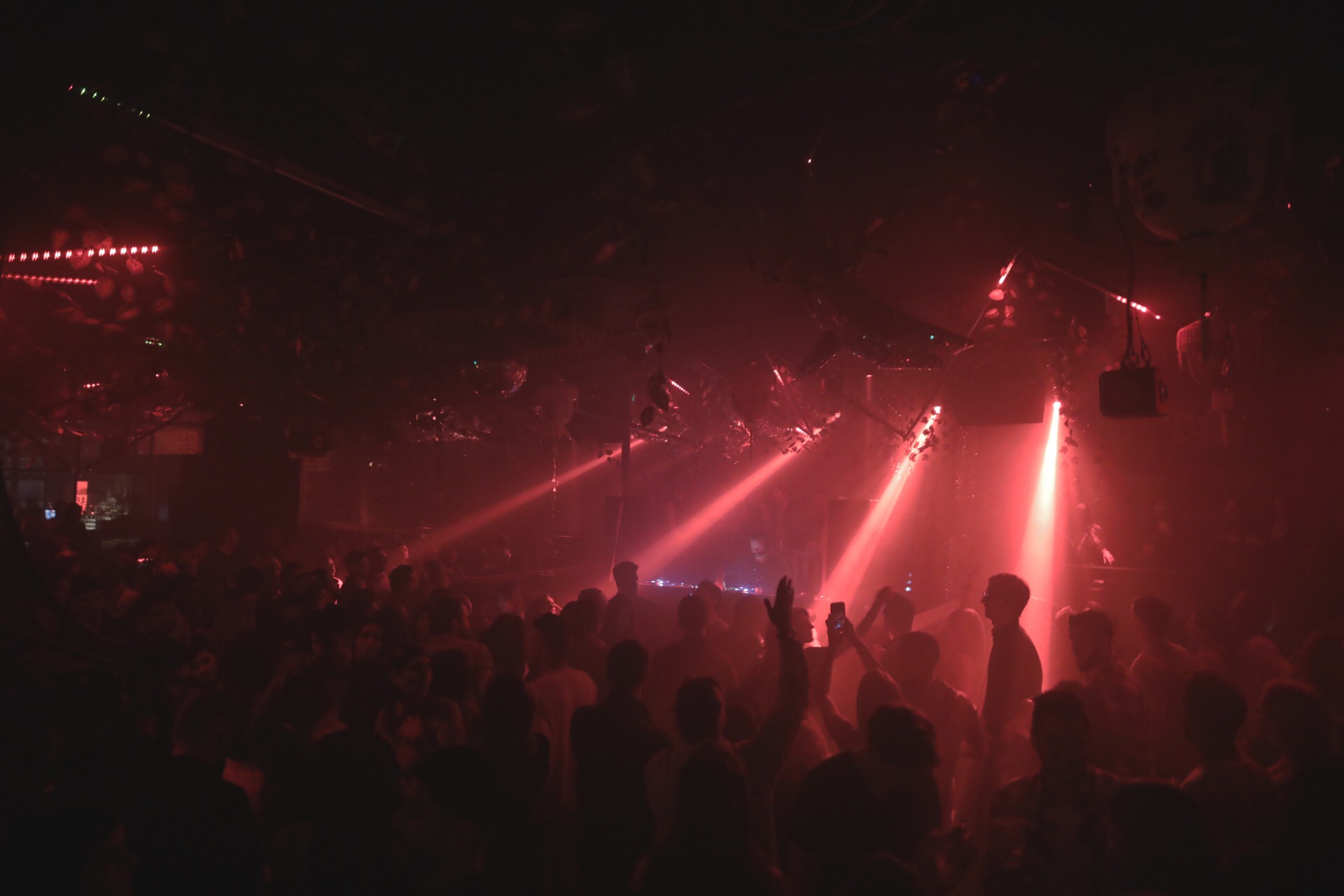
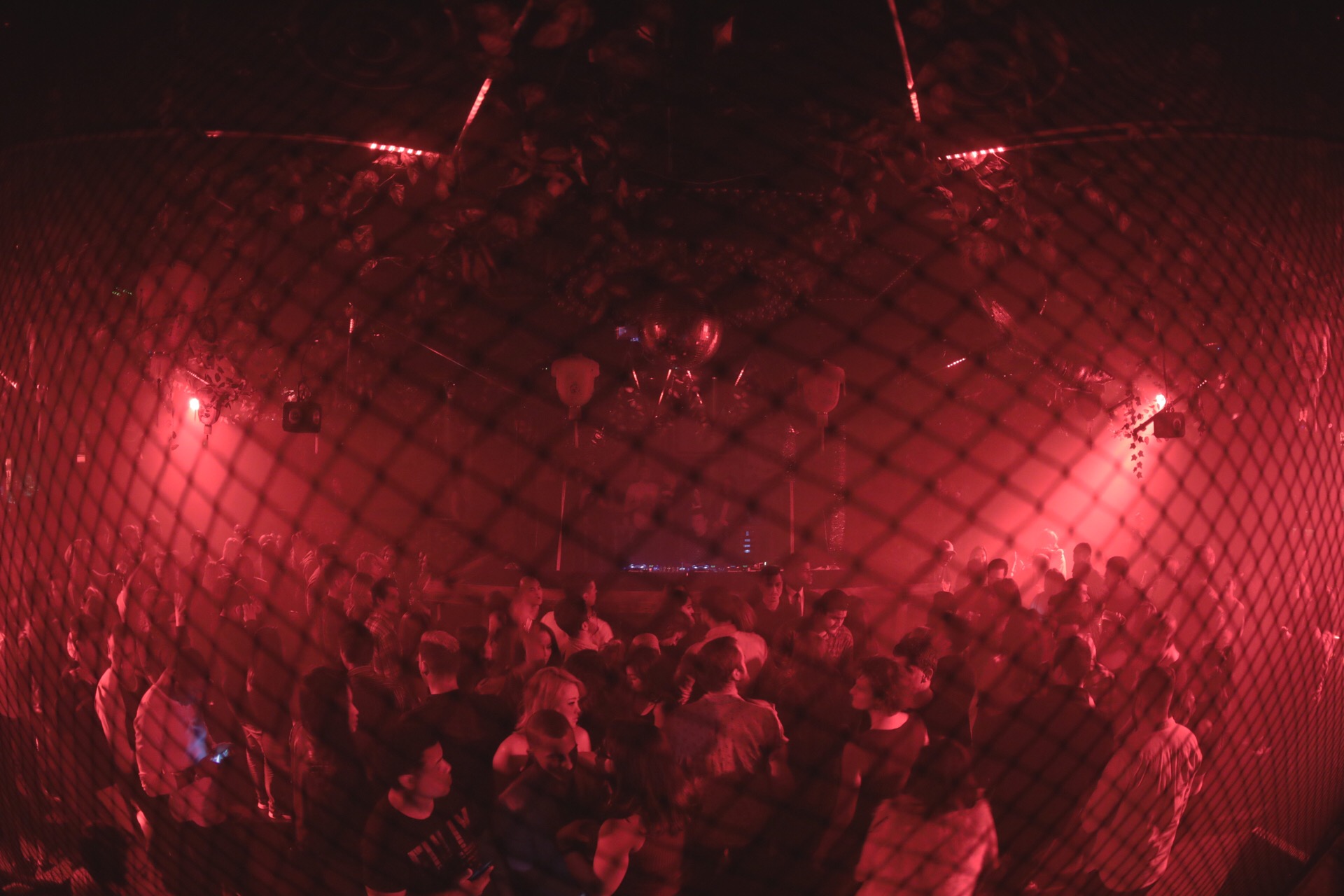
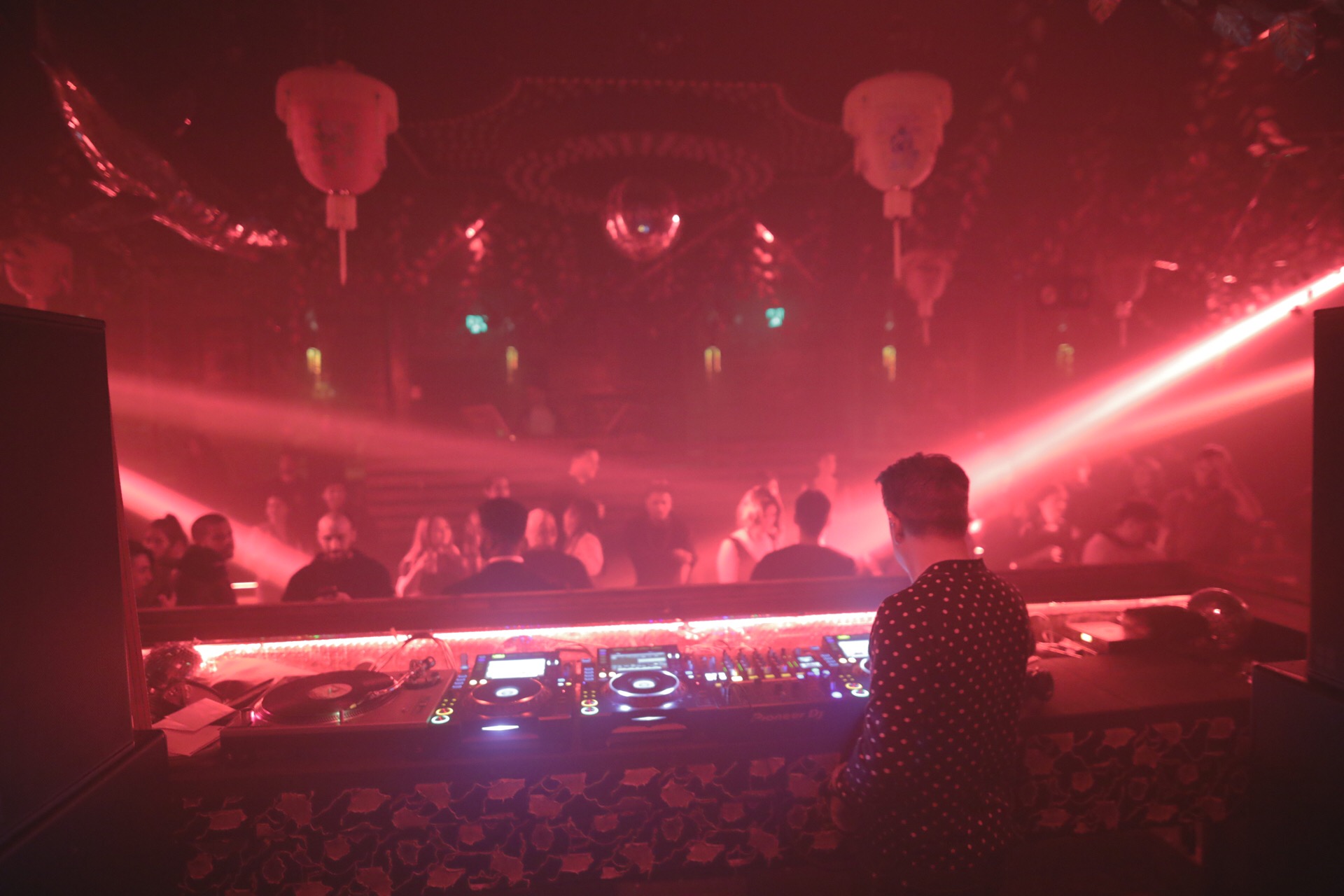
I do feel more at home when the lights are dim the place is dark and you have hypnotic minimal visuals. That could be in a warehouse or in a club. I don’t want people to look at me when I’m DJing. I want them to dance. A Warehouse does create that vibe, and that was the reason for the initial name. Music through vantage point of my influences and those early warehouse parties and raves played a great role.
I had the pleasure of interviewing Rony Seikaly ahead of his “Sword” EP release on Yoshitoshi. When discussing the role of your label, he mentioned that you – and the label by default – “actually understand music from a broader perspective and are open to different sounds”. To me, it seems very clear: your early influences are both broad yet specific, allowing you to keep an open-mind when it comes to the music Yoshitoshi puts out. Do you feel your approach, as a label-head is different than the one you adopt when producing your own music?
No, actually very similar. I don’t discriminate against genres or people. Our industry has turned into a bigot society of self absorbed individuals that fancy themselves as elites. I never subscribed to that mentality and I think its bad for music – as its bad for society. Granted the gap between different kinds of dance music is widening and as such you will have clans dedicated to different scenes, and that’s totally fine and healthy. But when you bring hate and disgust into it, that becomes counter-productive. At Yoshitoshi, we are fans of good music that stays true to our heritage of releasing music from different offshoots and having them played harmoniously together. Our motto is, “It’s a Soul Thing”. Soul shows itself in every style of music.
We have talked a lot about your early influences and beginnings. Music has evolved tremendously since the late 80s and is in constant evolution now. Are there any current artists, new or old, that you consider influences both as the chief of Yoshitoshi and a producer?
I’ve always found inspiration from the records I play. So if you look at my Beatport charts for example, you will see the records that I’m playing that are having an influence on me. Beyond that, I love Drum N Bass. Spor. Calyx, TeeBee, Wilkinson. I love listening to their records. Maceo Plex releases interesting records on a consistent basis. I love artists like that who are not one trick ponies. My favorite album of last year was Galantis’s Pharmacy. You want to talk about a great dance pop album, that is it – so well produced.