Posts

Music’s Power On The Mind and Battling PTSD

PTSD

Today the United States of America celebrates Veterans Day, an annual public holiday observed every year on November 11th that honors military veterans that have served in the United States Armed Forces. It also coincides with holidays in other countries including Armistice Day and Remembrance Day, marking the anniversary of the end of World War I.

In the United States and beyond, millions of veterans have returned home from combat with hidden wounds, often suffering from Post Traumatic Stress Disorder (PTSD). The condition not only deeply affects them personally, but goes on to touch the lives of parents, friends, neighbors, cousins, nieces, schoolmates and other loved ones. PTSD is a disorder that affects countless others who haven’t served in the armed forces, but who were unfortunately subjected to a single or multiple traumatic experience at some point in their life including major stress induced by work or school, bullying, failing social/financial states, experiencing/surviving major natural disasters as well as physical and/or sexual assault.

Common treatments for PTSD range from psychotherapy to medication, but it has been discovered that music can also be a powerful tool in alleviating the effects of this crippling and dark disorder. Studies have shown that music can trigger the brain to release chemicals to distract the body and mind from the pain. How? Music, as well as binaural beats and isochronic tones which augment the effects, reach the brain’s auditory cortex, which causes the communication between the cortex and the sections of the brain that govern emotion, memory, and body control.

Of course we know that there are infinite styles of music in today’s world, and obviously not all would work the same way in relieving the symptoms of PTSD. It has been found that music and sounds with low pitches and a slow, steady beat are the very effective, although other soothing types of sounds including those produced from string instruments can work wonders.

While it may seem surprising, the type of music often used as healing meditation for PTSD recovery is in fact electronically-produced. Have a listen below and you can gain an understanding of why and how music with binaural beats and isochronic tones can be powerful in fighting off the effects of PTSD:

Some veterans who have listened to music like the above have reported fantastic results:

“Fireworks are going off all around me,  reminds me of being in Afghanistan :(  I just want to crawl somewhere safe & quiet.  I put on headphones & have been searching for music to help me get thru the night.  Nothing was helping, just worsening my PTSD/anxiety level until I found this.  My mind is focusing on listening to the sounds instead of the loud.” –  Lisa H

“This has been helping me, I won’t go into detail because of personal reasons, but it’s really helping my intrusive thoughts.” – Azure W.

“I have no more nightmares!” – Isaac T.

“I have suffered a traumatic brain injury back in 2010 and have experienced PTSD and symptoms that are similar since then, I get angry a lot easier than I used to and it’s a lot harder to control my emotions. When I first starting listening to these tones and beats it began to calm me down so much I actually broke into tears. It has been extremely difficult and time consuming for me to find things that actually help me with the symptoms of my brain injury, so to find something like this is extremely amazing and therapeutic. Thank you again.” –  Quarce C.

Music Therapy

As previously mentioned, other types of music can help too. The VA has doubled down on music therapy over the years, adopting programs that allow for veterans to play music themselves and to listen to music as a form of therapy. There’s a nationwide organization that helps Canada’s veterans with post traumatic stress disorder (PTSD) cope through music therapy is connecting soldiers home from war with a guitar and lessons. Guitar For Vets provides harmony for veterans by assisting their transition to civilian life while also providing a place for community — the organization uses music to empower the individual, giving new structural habits and opportunities for members to transcend themselves. The Wounded Warrior Project is another initiative that has recognized the power of music in helping veterans overcome PTSD. Operation Music Aid, based in Madison, Connecticut, was founded to supply guitars and keyboards to wounded military service personnel now in military hospitals for extended care. The nonprofit supplies the instruments to the hospitals and they are distributed as needed to assist in physical and psychological rehabilitation, as well as for morale.

Humans are hard-wired to respond to music, with studies suggesting that someday music may even be able to help patients heal from Parkinson’s disease or a stroke. Scientists have found that music stimulates more parts of the brain than any other human function, truly highlighting the potential of music’s power to change the brain and affect the way it works.
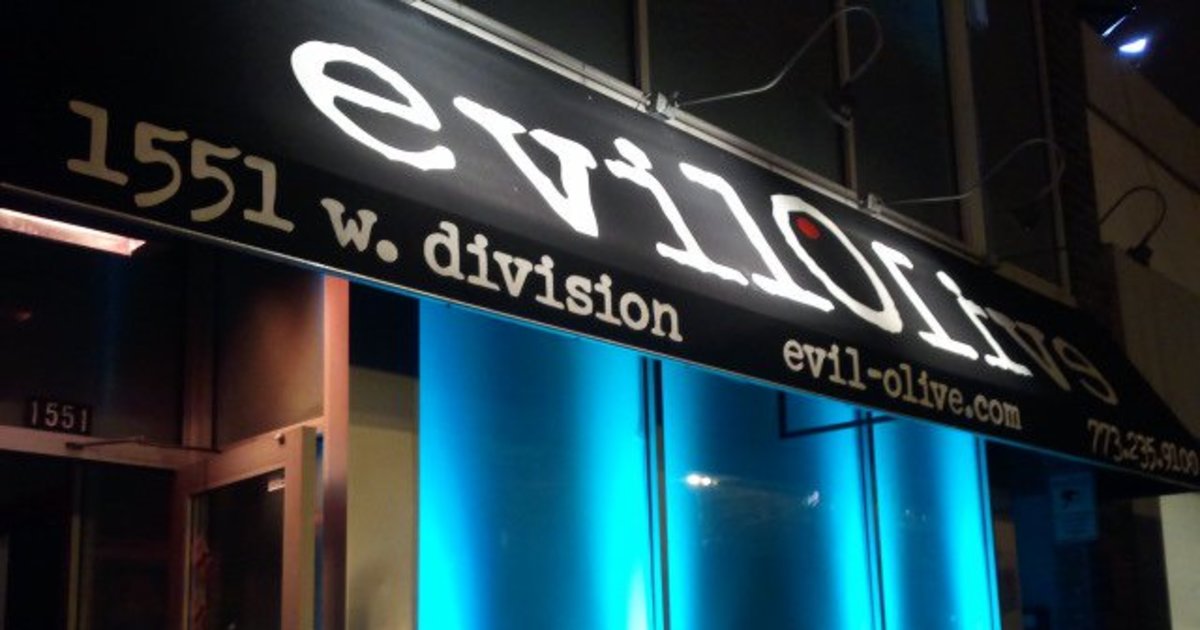
Live Performances of Rock, Country, Rap and Electronic Music Do Not Count as “Music” or “Culture” According to Cook County

EvilOlive

In an official hearing today, a Cook County official reinforced the county’s controversial position on what they consider “music” and “culture” by stating that live performances of rock, country, rap and electronic music do not fall under those two categories.

While the position seems shocking to say the least, it comes as an attempt by Cook County – which containing the City of Chicago is the second-most populous county in the United States after Los Angeles County, California – to enforce small venues to pay a 3% amusement tax on all ticket sales and cover charges. While at first the position by officials arguing the case was that small venues featuring DJs and electronic music were not exempt by that tax, Anita Richardson, the hearing officer appointed by the county inferred today that only venues that booked small chamber orchestras, symphony orchestras, or operas should be entitled to the tax break. In her opinion, venues that play other music should have to pay up.

“Rap music, country music, and rock ‘n’ roll” do not fall under the purview of “fine art,” she stated.

The county is going after several of Chicago’s small venues such as EvilOlive and Beauty Bar, who both feature electronic lineups weekly, in an attempt to collect back taxes of up to $200,000 including interests and penalties for the past six years. The specific county code in question states that smaller venues with capacity of 750 or less are not liable to pay the tax as  long as any cover charges or admission fees are for “in person, live theatrical, live musical or other live cultural performances.” The code goes on to describe and define live music and live cultural performances as “any of the disciplines which are commonly regarded as part of the fine arts, such as live theater, music, opera, drama, comedy, ballet, modern or traditional dance, and book or poetry readings.”

Cook County Commissioner John Fritchey says the county’s language “harkens back to the days of the 1950s when rock ‘n’ roll wasn’t considered music.” He adds, “No pun intended, but I think the county is being tone deaf to recognize opera as a form of cultural art but not Skrillex.”

At a hearing scheduled for October 17 the two aforementioned Chicago establishments will present evidence, including live music and testimony from a musicologist, in an effort to budge the hearing officer from her opinion regarding the cultural value of DJ performances. It appears that both venues are simply test cases for the country, a first attempt to see if it can wring any more tax revenue from the city’s live-music industry.

It seems far-fetched that a county that represents the city which gave birth to house music and has had both a street and day named after Frankie Knuckles and his legacy of house is failing to recognize the cultural and artistic value of not only electronic music, but other such diverse genres as rap, rock and country.

H/T: Chicago Reader

Âme and Schwarzmann Are Set to Release Albums on Innervisions in 2017

Innervisions Label

Dixon took over Resident Advisor’s Instagram account to dive a little into Innervisions’ plans for the coming year, informing the electronic music world that followers of the label can expect forthcoming albums from Âme and Schwarzmann.

Specifically, Steffen Berkhahn posted the below photo to the Instagram profile showing him alongside Henrik Schwarz and Âme’s Frank Wiedemann in the label’s Berlin studio. The accompanying caption tells the full story here, “Best Thursday morning in a looooooooong time. In our Studio with Henrik and Frank. Listening to bits & pieces of the new LPs from Ame & Schwarzmann. 2017 is going be incredible.”

Dixon is taking over RA’s Instagram channel for the entire week. Follow his posts there for further possible updates on his and the label’s world.


Connect with Innervisions: Discogs | Resident Advisor | Facebook | Twitter

Connect with Dixon: Resident Advisor | Facebook | Instagram

Connect with Henrik Schwarz: Resident Advisor | Facebook | Twitter

Connect with Âme: Resident Advisor | Facebook

Nightlife Matters: A Call for Governments To Respect Our Scene As Part Of Local Culture

NightlifeMatters

Electronic music is an indelible part of the world’s nightlife scene. Our music represents the soundtrack and backbone of an industry that is alive in all four corners of the globe, and almost every country in between.

Yet, it is only in a select amount of countries that nightlife is truly respected as part of culture, as an expression of art and freedom. In the Netherlands and Germany, in particular, legislators, politicians and officials recognize nightlife and electronic music as a valuable piece of both the local and national economy. The appreciation for our industry goes a step further in cities like Amsterdam or Berlin, where those participating in nightlife are not only respected but celebrated as part of a movement that promotes tolerance, art and freedom.

Unfortunately, this isn’t the case in other countries. Australia, and in particular Sydney’s New South Wales state , has been facing uphill battles with local officials who have gone so far as to impose strict lockout laws effectively curbing the existence of nightlife in some of the country’s most populous cities. England is facing similar problems, in no small part due to gentrification and the significant change with which venues, nightclubs and bars interact with local neighborhoods and communities.

In the United Kingdom, the NTIA (Night Time Industries Association) has now launched a #NightlifeMatters campaign to increase awareness on the importance of our scene as part of local art and culture. The aim is to educate and change the viewpoints of the many on the other side of an irrational “us-versus-them” argument which constantly pits nightlife as unethical, quasi-criminal, uncultured and even dangerous.

Naturally, the campaign is backed by a great selection of high-profile artists the likes of Carl Cox, Eats Everything, Jackmaster, and Sasha, as well as venues and promotion companies. The always outspoken and active Seth Troxler has personally weighed in via Clash Music, underscoring just how important this message is for the longevity and prosperity of nightlife as we’ve all come to love it. The movement encourages everyone to sign their petition, and to tweet using the hashtag #nightlifematters to join and support this vital campaign.

“There are always multiple factors to consider when it comes to club closures. It’s hard to keep a business like that going for 10 years, just look at places like Plastic People or Dance Tunnel, even when a club is successful it’s hard work to keep it alive. But who’s responsible for these closures? Is it developers? Local councils? Licensing boards? Has club culture changed fundamentally, are kids today too boring? Or is it the government?


Of course it’s a combination of all those things but there’s one obvious way for us to change it. Vote.

We’re living in a time where the government likes to create media sensations around one topic or another. It’s not about them trying to save lives or change culture, it’s about who can keep themselves in the spotlight for the longest. Decisions are being made by people who are too old or too out of touch with what’s happening in the modern world. And it’s not just in the UK, it’s part of a global problem.

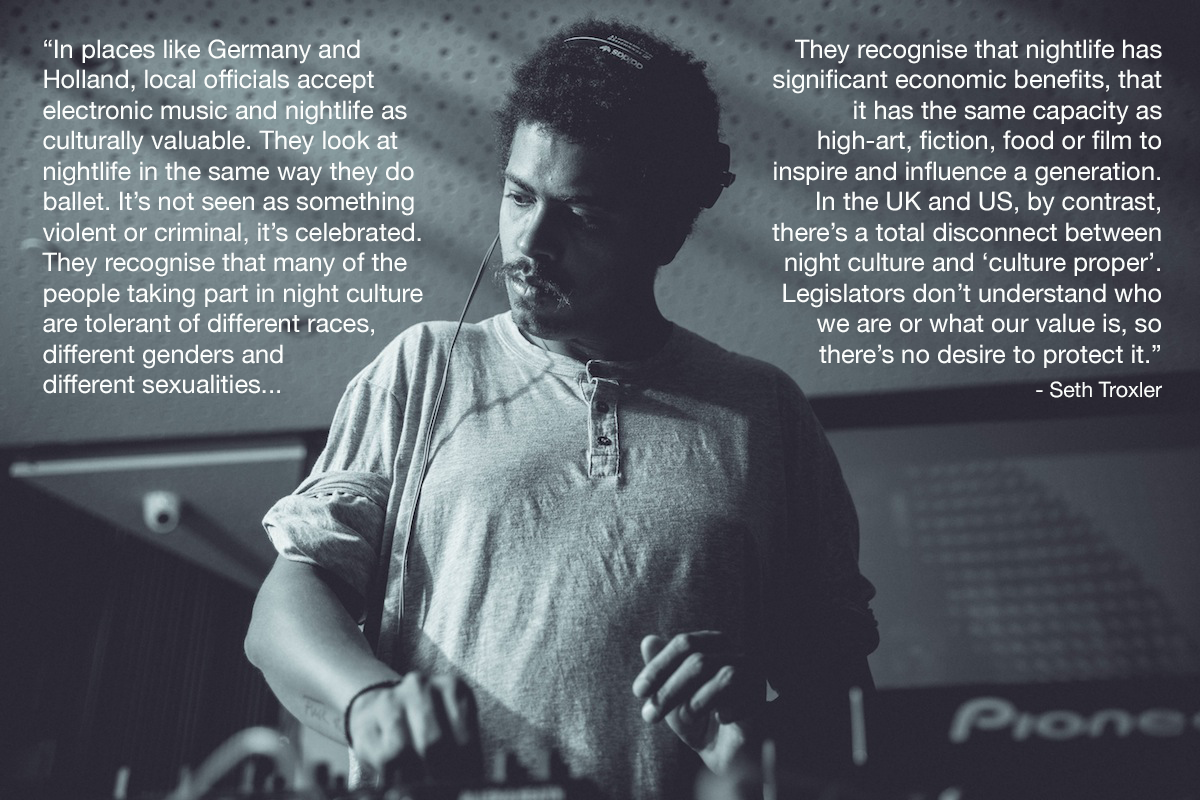
In places like Germany and Holland, local officials accept electronic music and nightlife as culturally valuable. They look at nightlife in the same way they do ballet. It’s not seen as something violent or criminal, it’s celebrated. They recognise that many of the people taking part in night culture are tolerant of different races, different genders and different sexualities. They recognise that nightlife has significant economic benefits, that it has the same capacity as high-art, fiction, food or film to inspire and influence a generation. In the UK and US, by contrast, there’s a total disconnect between night culture and ‘culture proper’. Legislators don’t understand who we are or what our value is, so there’s no desire to protect it.

If we’re to change these attitudes, we can’t just talk about them, we need to have more young people start participating. If we want to change perceptions about club culture we need to act. Part of the reason I launched Acid Future, part of the reason I’ve spent my life playing underground music, is to try and keep the dream alive, to try and fight the fight by educating people about electronic music.

Seth Troxler Music Matters

#NIGHTLIFEMATTERS is addressing the same issues, albeit from a different angle. They’re going direct to policy makers, showing them who we are, showing them that we’re valuable, showing them that we aren’t the stereotype that they think we are or that we might have been in the 90s. Their giving young people a platform to make their voice heard, in just a few clicks on nightlifematters.com you can email local councillors and MPs to let them know why nightlife is important to you.

It’s a first step but it’s only the beginning. We’re at a point where the old structures of society are losing their grip, there’s a huge opportunity for young people to change both the government and its policies for the better. Take for example this guy Will Thompson, he used to work for our management company, he was incredibly brilliant, very cool. He quit so he could go back to school and start working in politics because he wanted to change the situation he found himself in. He realised that the only way to really change things is to get involved.

The only reason these conservative councillors get in is because the only people who vote in local elections are 65 year old tea ladies, if you had everyone in Shoreditch get involved in the political process you’d be able to protect bars and clubs in the area.

It’s not hard, all we need to do is participate. That’s how we’re going to protect our night life. That’s how we’re going to save club culture.”

Source: Clash Music

Is SoundCloud Making Moves to Delete and Block All Uncleared DJ Mixes?

Screen Shot 2016-05-16 at 10.25.00 AM

Is SoundCloud slowly deleting all uncleared DJ mixes? It appears that may be the case.

According to Digital Music News, SoundCloud has made plans to delete all DJ mixes that haven’t been fully cleared yet, a move that is bound to affect a large portion of the files uploaded to the platform by its 185 million active users.

Users have now begun to notice massive amounts of DJ mixes disappearing from their playlists. Several high-profile users such as Morgan Page and L’Affaire Musicale have already had their entire accounts or uploads deleted, with SoundCloud making it clear that DJ mix or live sets contains popular tracks that belong to another artist will be deleted. If a music file is deleted, the user sees all the statistics racked up through that upload also disappear.

UPDATE: SoundCloud issued a statement today replying and denying that any measures have been taken to delete DJ sets off the platform. The statement reads:

“The story has no truth to it. At SoundCloud, we’re on a mission to create a place where all creativity can live. SoundCloud’s creator community, including DJs, is incredibly important to us.”


Source: Pulse

Poll: How Do You Listen To Your Favorite Music?

Photo by Daniele Zedda

Photo by Daniele Zedda

In today’s ever-changing spectrum of technology, there are several ways one can listen to their favorite music, ranging from vinyl to mp3, online streaming to CDs and yes even the age-old radio!

We would like to know what YOU, our readers, use to listen to your favorite music. You may choose more than one option if you use two or more of the mediums listen below.

[total-poll id=18138]

A Musical Tribute to Phife Dawg of A Tribe Called Quest

Phife Dawg

The world of music lost an important rap icon as we learned that that Malik Taylor, known as A Tribe Called Quest’s Phife Dawg, has passed away aged 45.

Rolling Stone reports that the artist died Tuesday following complications that resulted from his already-known diabetes condition. Taylor had undergone a kidney transplant in 2008 to deal with the same battle, admitting in 2011 in Beats, Rhymes & Life, Michael Rapaport’s documentary on the group. “It’s really a sickness. Like straight-up drugs. I’m just addicted to sugar.”

“Malik was our loving husband, father, brother and friend,” a statement from the family reads. “We love him dearly. How he impacted all our lives will never be forgotten. His love for music and sports was only surpassed by his love of God and family.”

Although the group broke up and reunited on several occasions following the release of their last album, 1998’s the Love Movement, Taylor appeared on all five of the group’s albums, most notably with 1991’s The Low End Theory. While the group did get back together for some sporadic live shows, they never produced together again following their reunions.

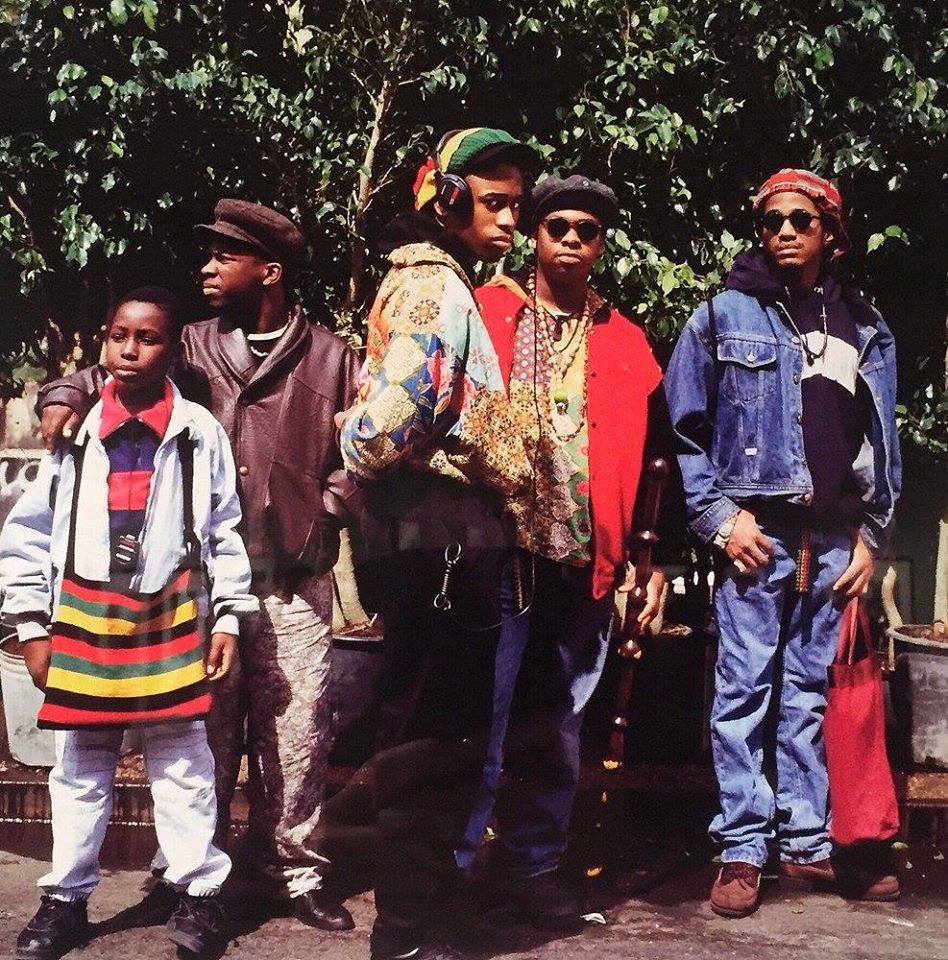
A Tribe Called Quest in downtown Manhattan, 1989 - picture by Janette Beckman

A Tribe Called Quest in downtown Manhattan, 1989 – picture by Janette Beckman

Sadly, declining health problems meant that Taylor couldn’t shine as a solo artist as he may have wanted. He did release his only solo album Ventilation: Da LP in 2000 and when speaking to Rolling Stone last November, he remained somewhat optimistic about both his health and future plans to release music.

“Even though I knew I had [diabetes], I was in denial,” Taylor said in the documentary. “I had to have my sugar. You have to accept it. If you don’t accept it, it’s going to kick your ass.” He continued to reunite with the band for live shows in part to help with the medical costs needed to battle the illness. His contributions to rap and music overall remain as relevant and timeless as ever.

There is no question that A Tribe Called Quest remains one of the most influential rap groups of all time, their role in the shaping of 90s rap music as important today as it was twenty-five years ago. Today, more than ever, people are looking up to the sky and asking, “Can I Kick It?”


The band’s chemistry was undoubtedly one of their strongest traits. The first single of their second album The Low End Theory, entitled “Check The Rhime” is the perfect example of this special synergy. The outcome is a seamless exchange between all of Tribe members.


With “Jazz (We’ve Got) Buggin’ Out”, A Tribe Called Quest explore their deep jazz roots with Taylor contributing verses about urban life as the song touches upon Caribbean wisdom, their personal life, Zulu Nation and more.

Taylor and Q-Tip are also responsible for most verses of “Electric Relaxation,” one of the band’s most quotable songs as far as lyrics are concerned. The bass is sexy and the lyrics flirtatious, with gems such as “I like ’em brown, yellow, Puerto Rican or Haitian,” peppered throughout for the listener’s amusement.

The legacy of Malik Taylor lives on through his music. For more, check out A Tribe Called Quest’s Vevo channel below:

Source: Rolling Stone

New Headphones Aim To Get You High on Dopamine

Nervana1

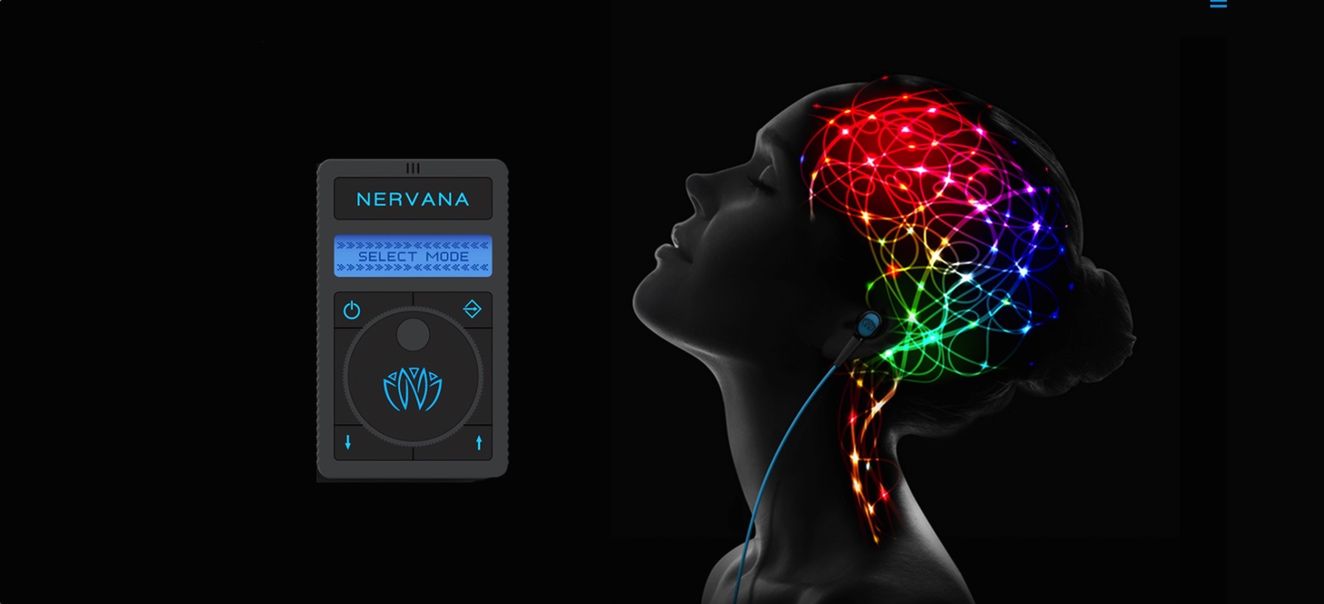
A Florida-based tech company named Nervana has invented headphones that aim to enhance user experience by stimulating the release of dopamine in your brain.

Aimed at making the listener experience a high, the headphones contain a device that delivers a low-power electrical signal that stimulates the Vagus nerve – a nerve that runs from the brainstem to the abdomen and plays a role in the release of dopamine, a neurotransmitter that helps control the brain’s reward and pleasure centers.

Testing the product for Futurism, journalist Amanda Gutter writes, “I felt the electricity go into my arm, and everything was tingling there, but the best moment for me was afterwards when I finished and stood up. I felt like I reached a personal high point. I couldn’t stop smiling or laughing. I was like, ‘Oh wow’. For about 5 minutes, my happiness level was a 10 out of 10. Then it got foggier, but I was still unusually happy for about an hour.”

Rather than unselectively delivering the signal, the headphone’s technology will analyze the music’s distinct audio output before synching up the release of its stimulating signal to the beats.

SONY DSC

Furthermore, according to Nervana the listener will be able to select “ambient mode”, allowing the headphones to sync up with the sounds in the surrounding environment. Theoretically, one could use them at a festival and experience a high directly associated to the music being played live in front of them.

Admittedly, the technology is yet to go through thorough peer-reviewing and there are no published background studies as of yet that back up the claims made by the company behind the product. While it’s unsure if the headphones will deliver as promised, Mic’s Jon Levine reports that the headphones will cost a cool $229 USD and are expected to go on sale next month. If used on the go, they will also require an external power generator to keep them running.

It is recommended that you do not use listen and drive while using the headphones and for at least thirty minutes after.

Head over to Nervana’s YouTube channel to view several video testimonials from users who have tried the headphones themselves.


Source: Science Alert


Moogfest 2016: Synthesis of Music, Art, and Technology

Screen Shot 2015-12-08 at 11.50.37 AMSince its inception in 2004, Moogfest has brought together the brilliant minds of entrepreneurs, philosophers, scientists, artists, musicians, engineers, and forward-thinkers for a weekend of progressive exchanges and inspirational demonstrations and presentations with regard to art, music, and technology. Read more

Cristian Varela Releases Full Length Album on Carl Cox’s Intec Label

Cristian Varela Vinyl

Of all the countries and dance communities around the world, one can’t argue that Spain has some of the most enthusiastic crowds out there – both on Ibiza and on the mainland. This energy stems from the high quality music, with the country’s artists playing an integral role in progressing dance culture. Among many Spanish artists, Cristian Varela is at the forefront, and his new album Max & Max further solidifies his position in both the Spanish and international scene.

“Max & Max is the fusion of different sounds, emotions and feelings from different periods of my life,” states Varela. “This mixture, and the combination of ways I’ve created my music over the last few years, has made in my opinion, a complete, dynamic and emotional album.”

Varela Album ArtMax & Max finds a fitting home on Carl Cox and Jon Rundell’s label, Intec Digital. After brief EP’s foreshadowing the release, the full length album now sees the light of day. The album starts with a percussive heavy workout on the track Caramba – a track embodying the traditional style of energetic tech house that Cristian Varela has become so known for. Max & Max swiftly transitions into dubby mainroom groovers such as Blanky and Penthouse before moving into serious techno affairs on tracks such as Alarm Waves, Human, or Ovnivon.

With this in mind, Varela has been road testing some tracks from the album on dance floors all across the globe, and has settled on some clear-cut winners.

“All the tracks are very special for me but the most powerful on the dance floors are ‘Caramba’, ‘Fascinator’, ‘Human’, ‘Destiny’, ‘Great’ and ‘Loveperc’”

The tracks on Max & Max sound great individually, which is nice from a DJ perspective, but as a complete body of work Varela accomplishes an extremely enjoyable musical journey through techno and electronic textures. These days albums are refreshing to hear from an artist, and Cristian Varela nails this release for Intec.

Max & Max is available now on Beatport

Connect with Cristian Varela: Official Website | Facebook | Twitter | Resident Advisor | Soundcloud | Beatport