The underground scene has been in constant battle with various forces for many years, and especially so with mainstream culture. But now, it is facing another adversary — one that can appear too powerful and enigmatic to beat: Facebook.
Facebook has been a source of discontent for underground artists. The Quietus recently came out with an article bemoaning what the social media giant has been doing in “killing” the underground culture.
The interview quoted German composer Antye Greie-Ripatti, or AGF, who had some unpleasant experiences with the social media platform, such as an unauthorized artist’s page that was created without her knowledge. She also spoke out on the lack of user agency and individual privacy, as well as he homogenizing force of the platform which hampers her own way of communicating as an artist, a sentiment shared by other artists as well.
“When you log in to an artist’s page, Facebook gives you suggestions on how to ‘improve’ your ‘performance’. They give you tools and tips which make it look like they’re trying to help, but it’s just pushing you into this marketing mindset. I find myself caring about the response to a post, when I don’t want to. I want to focus on my music – that’s how I make a connection to the audience, first and foremost,” said artist Rrose as quoted in the interview.
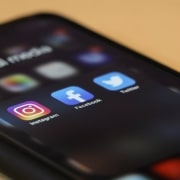
One of the criticisms raised against Facebook is that while it is useful to connect to many people across the globe, it also inadvertently puts pressure on the artist to keep more than they need to One example is Facebook requiring artist pages to respond to all the messages she receives, even though sometimes they are weird requests or inappropriate messages. Plus having to maintain multiple social media accounts like Instagram and Twitter simultaneously is seen by some artists as overwhelming and annoying.
Then there is the matter of “promoting” artist pages on the platform. Artists spend quite a lot to promote their Facebook pages to get a wider reach that their pages normally would not get. However, the expenses involved has made it difficult for many independent artists to avail this feature. And if they do, at times the money spent would not be worth as it does not often translate into profit.
There is also the matter of content in which Facebook’s algorithms tends to favor promoting content designed to go viral. This puts high-quality thoughtful content that lack viral elements to make it appealing at a great disadvantage as less people get to see well-thought of opinions instead of audience-friendly but fake content.
On the other hand of these complaints, independent artists find themselves between a rock and a hard place. The option of leaving Facebook is too much of a risk for them to take, especially that it is pretty the largest social media network in the globe and other social media networks could not compare to the scope Facebook already has.
“The once liberatory potential of the internet has dissipated into a mirror of inequality, with power massively skewed online just as it is irl,” Mollie Zhang of The Quietus . “As we surrender personal information and soak up dopamine hits, it becomes even more challenging to envision how independent artists can survive. Hopefully, as this conversation keeps moving, we can begin to figure out how the difficult people can continue making brilliant art.”
It is safe to say this is the hope of everyone else in the industry and beyond as well.
H/T: The Quietus