Posts

Why Every Promoter Should Write an Event Business Plan (And How)


If you’re an event promoter you might be skeptical and think that making a business plan is unnecessary and just a waste of time when it comes to event planning. But you couldn’t be more wrong. Every promoter should write an event business plan to successfully put on a show whether it be a festival, nightclub party, or concert.

Most times, promoters treat each event as a hobby more than a business which eventually leads to failed shows. There is nothing wrong with loving what you do but everything that involves money and earnings should be planned accordingly in order to gain and not lose.

It almost always takes formal planning in order to secure your funds. If you are funded by capitalists, commercial banks, and even angel investors like private sponsors, it is your responsibility as a promoter to develop an effective event business plan. And if funds come from personal resources, it remains important to have a formulated business plan to follow in order to capitalize on your chances of success.

It can be a great help to keep track of your progress and financial status, including how the money goes in and out of your pocket throughout the whole duration of your event preparation as well as afterwards. It can also be used to develop a strategic plan for continuing events in the future and to bring investors, sponsors or partners on board.

So gather up your materials and jot down these quick tips that will describe the essential components of how you should write an event business plan:

Prepare an Executive Summary

The first page of your event business plan will be comprised of your executive summary. Consider it your event overview or outline. It will follow your title page, thus it has to be concise. Do not beat around the bush and clearly discuss what you aim for in the summary. Keep it short and formal.

The contents of your executive summary should contain the synopsis of your whole business plan. Especially:

  • Overall Concept – What kind of event are you throwing? Who are your target market? How will your event standout?
  • Important Financial Details – Focus on projected growth of income like your potential profits, event sales, return on investment, and cash flow. Furthermore, you must state the exact capital needed for your event and go into details on how it will be used.
  • Your Background – Provide a detailed information of yourself as the event planner/promoter or your company if there are other people involved. Briefly describe your history in event planning/promotion and who is responsible for putting the event business plan altogether.

Remember that when it comes to writing your executive summary, the shorter and more accurate your point is, the better. Be sure to let your reader immediately know what your capabilities and needs are.

Event Description

In this section, you can fully explain and elaborate the details of your event. Unlike the executive summary, this part does not have to be short but it has to be accurate.

Start with a short description of the event. Discuss present and future possibilities. Are you planning to have the same particular event if it turns out to be successful? Point out what makes your event standout. Emphasize unique concepts and ideas. This is crucial if you are seeking investments and financial supports. Your sponsors/investors will want to see your vision and know how dependable and trustworthy you are as a planner/promoter.

Moreover, you should mention how your event will likely be successful and what kind of support systems are being considered. These could come in forms of advertisings and promotions.

The event description statement should be enough to give the reader a clear and definite idea of your objectives.

How Will You Earn?

State why your event is going to be profitable. How will you attract potential attendees? What forms of advertising will you use and how much budget did you set for each. Also explain your pricing techniques and available ticket options and never forget to provide a financial breakdown for all your target goals.

Remember to sum up all your costs before strategically planning your ticket prices. Include both direct and indirect costs and be careful not to overprice or underprice your tickets. Correct ticket pricing can greatly affect your potential event income.

Promotion Strategies

As an event promoter, this is one of the crucial steps that you have most likely mastered. Promoting an event is hard but if you are organized, it can be easy as a breeze. Event promotion is just a matter of controlled distribution of communication in order to sell tickets to potential attendees. To attain this goal, communication efforts must be utilized. This includes:


Risk Assessment

There will be risks associated with your business event plan. Each of them should be assessed and addressed. These risks may involve areas in marketing procedures, personnel requirements, finances, management and operations, facilities, etcetera. By identifying each problem and giving a possible solution to them during your event developmental period, you will lessen your fears with regards to event preparation and those of your investors too.

Appendix

This will be the section of your event business plan that will feature all your supporting documents. From payment receipts to bank statements and inventories. You can also use this part to write down any additional information such as your event policies and reports.
Good-luck-is-the-result-of-good-planning

These are just a few steps to get you started. If after reading this article you still feel lost on how you should write an event business plan, do a quick search online for hundreds of business plan templates to choose from.

Don’t worry on how many pages your event business plan is, as long as you make sure that its contents are rich and useful.

If you found this article useful, sign up for our newsletter to learn more and to stay up to date with 6AM’s news and features on the world of electronic music.

 

Promoters, This Is How You Should Use Instagram To Sell More Tickets

Instagram is without a doubt one of the strongest promotion tools on the Internet. With its easy-to-use and pleasing to the eyes interface, it is statistically the best and most used photo sharing platforms and apps in the world. As a promoter, you want to showcase your events and sell it to potential attendees — not just in your immediate market area but far beyond it also.

Instagram let’s you do that. The right picture or video paired with matching captions and hashtags allow you to pick up more ticket-buyers than you could have previously reached. But are you using Instagram as a marketing tool correctly? We have prepared a few tips to let you maximize Instagram to its full potential, with the aim of hopefully raising more ticket sales. Promoters, this is how you should use Instagram to sell more tickets:

Aesthetics

People scroll through Instagram not to read captions but to look at photos. If you captivate their eyes with amazing event-related photographs, then they’ll take the time to read your caption and possibly buy a ticket to your upcoming event.

Make sure to upload high-quality photos, and regularly post event posters to promote what is coming. As we have mentioned, Instagram users usually look at photos, so uploading your event flyers amidst other high-quality graphics promoting your event will let your followers and potential attendees know about it and lessen the risk of them scrolling right through it.

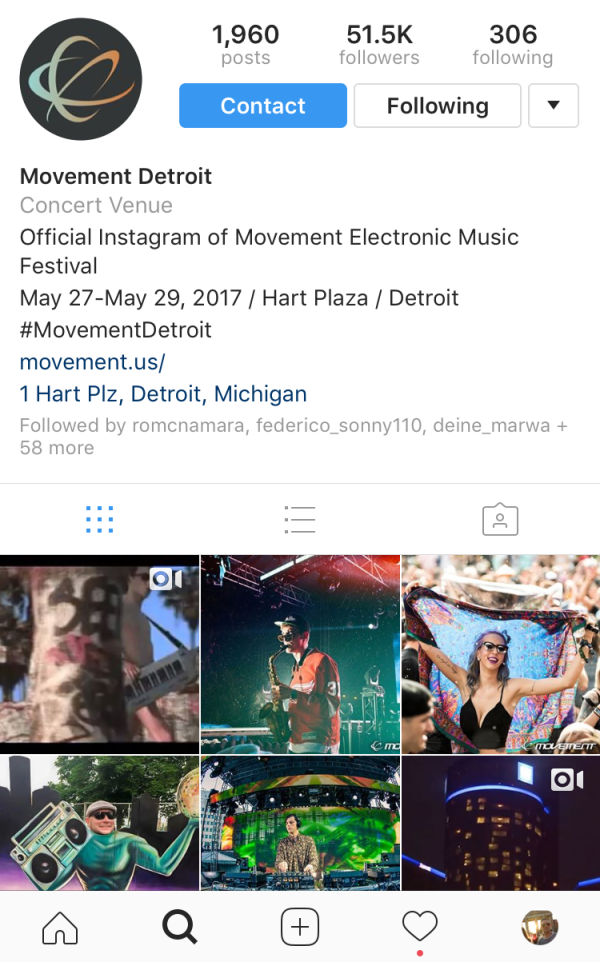
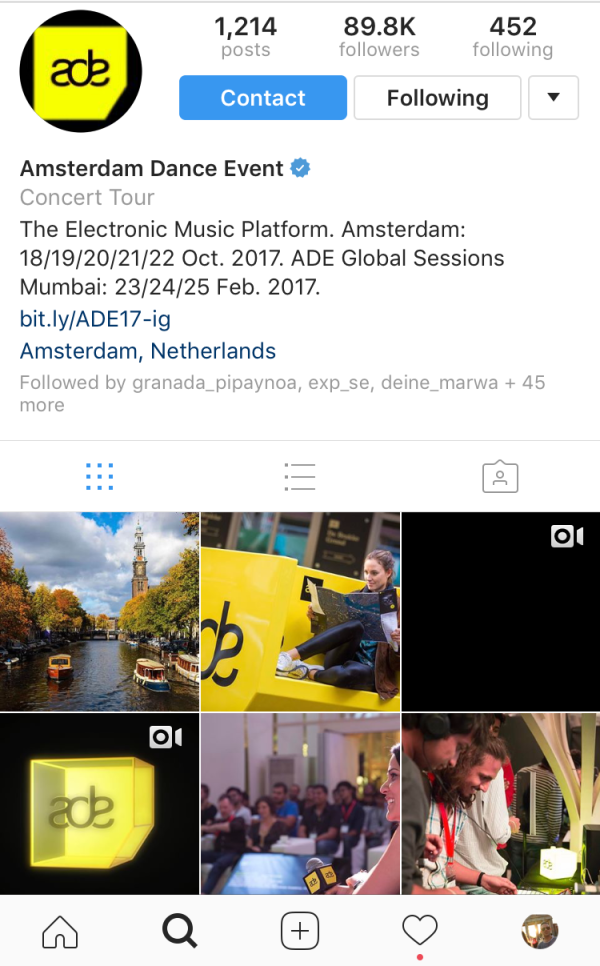
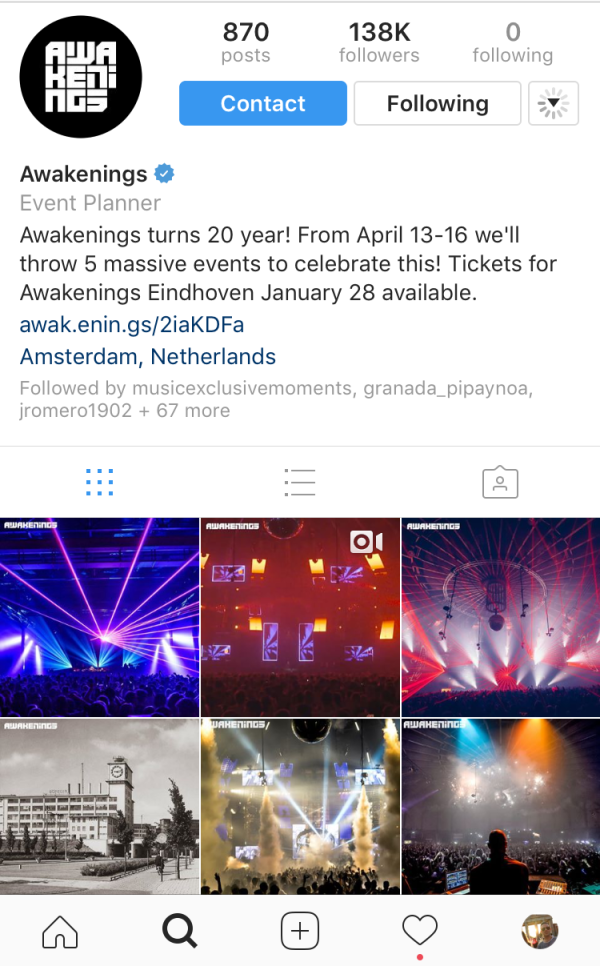
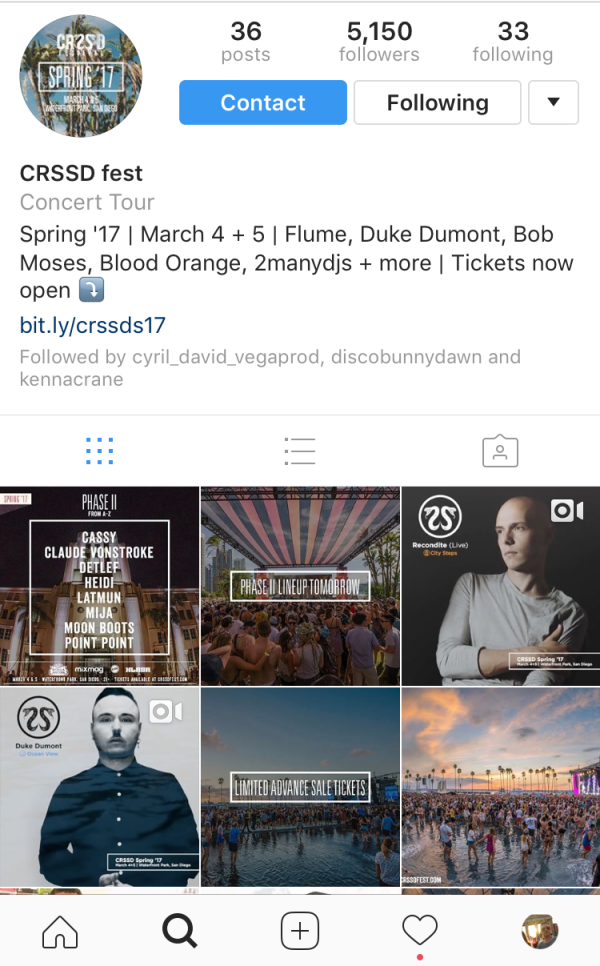
In addition, try to use less Instagram filters. You want to showcase your events to potential attendees, so the crisper and clearer your photos are the better. Most of the times, “Instagrammers” follow accounts that are artistic and attractive. So find out the aesthetics and branding that you want for your Instagram page and stick to it. It is important for your page to be consistent with your branding. See below for examples of well-branded and consistent promoter Instagram accounts, including Amsterdam Dance Event, Awakenings, CRSSD Fest and Movement Detroit.

Caption

Your photographs will capture your audience’s attention but your work does not end there. You still have to put a caption: it is the voice to your visual contents. Grab this opportunity to explain what your event is all about, what attendees can expect musically and non and relevant information on how they can purchase tickets. Depending on the particular post, you can share interesting selling points on the artists featured on your line-up or on the venue chosen for the event. It is also great to get your users engaged by asking them to tag friends where appropriate, or asking questions and inviting to leave comments on your post. The more engagement your photo gets, the more likely it is for Instagram’s algorithms to pick it and have it featured both at the top of the home newsfeed as well as the explore section.

Instagram cuts off each caption after a few sentences so be sure to put important details first, or at least something that attracts user’s attention enough so that they click to read more. Take note that you could use Instagram to sell more tickets but you have to price your event tickets correctly for a larger number of sales. Instagram does not allow for hyperlinking in captions or comments, but there are several ways you can ensure your followers still get to your ticket page — more of that later in the article.

fi_quotes_blog_2_leo_burnett

#HashtagIt

Hashtags have everything to do with how your events could get discovered through Instagram. So be sure to create an original hashtag for each of your events and let people use it when they upload photos in relation with your parties. The right use of hashtags can surely attract new followers and potential ticket buyers for your next event.

Aside from using original hashtags, use common hashtags that are trending and pertinent to your event and brand. You can view the top hashtags on Instagram’s Search and Explore tab and try to use at least three or more on each event promotion post that you upload. This will make your posts searchable thus attracting more ticket buyers.

It’s likely that once your account is built with enough followers you won’t find the need to use as many hashtags as you did originally. At that point using 4-5 works just as efficiently.

Use Your Bio URL Wisely

Since Instagram doesn’t allow clickable links on captions, regularly update your bio’s URL. Direct it to your most recent event’s page or ticket-selling website. By clicking on your bio’s URL link, your followers or guest viewers will be redirected to a page where they can find more in-depth details of your event and purchase tickets.

Add a short note on your caption to let your viewers know that they can buy tickets through your bio link. Below is our suggestion on how to go about this:

  1. Include a link to your ticket page in your bio. Using an original link works, but the use of bit.ly links can be effective in tracking how many people are accessing your ticket page from Instagram directly.
  2. Tell your followers in the photo captions that the direct ticket link can be found in your bio, but include the link anyways. If it’s easy to remember or copy, such as in the case of your festival name or a short bit.ly link, followers could end up simply typing it directly into their browser.

Instagram Ads

If you have a budget set aside for advertisements, consider create an Instagram Advertisement for your event. The idea is to target it adequately so that your posts end up being seen by potential attendees that do not follow you yet, inviting them to both follow you and to buy tickets to your event.

Instagram offers different types of advertising options including photo, carousel, and video. Photo Ads are featured with a small “Sponsored” logo on the top-right corner. You could choose different call-to-action options to go along with it like Learn More, Book Now, and others. This is a sure fire way to raise your event ticket sales and drive potential attendees to your site for ticket-purchasing.

For limited time ticket sales, Instagram offers Marquee Ads. These are single-day campaigns with assured impact and placement in the top ad area of Instagram’s feed. This type of format will showcase your event’s advertisement with different styles to the same user up to thrice a day.

The reason we suggest using Instagram Ads is that the platform features specific audience targeting through your Facebook page, which is connected to your account. This means you will have all the needed and required tools to reach your target audience.


6856ca91b9222f16d0b73f211e39b82b


There are millions of Instagram users with new sign-ups each day and there are thousands of event promoters trying to gain the attention of potential attendees in each given market. There is no better time than today to learn how you should use Instagram to sell more tickets and start defining your own promotion style in order to stand out from the competition!

If you found this article useful, sign up for our newsletter to learn more and to stay up to date with 6AM’s news and features on the world of electronic music.
Promoter Tips On How To Price Your Event Tickets Correctly


Proper pricing is one of the secrets to success in any kind of business. It can build up the sales of your products or services and create a strong foundation for your business. On the other hand, wrong and unfit pricing strategies may cause issues that can potentially ruin an otherwise good business.

In the world of live concerts and parties, ticket pricing is one of the many dilemmas that event promoters are facing on an every day basis. For this reason, we took years of experience as festival, club and warehouse party promoters to give you some effective tips on how to price your event tickets correctly:

Set Goals and Know Your Market

First and foremost, you have to set realistic goals on what you’d like to achieve with your pricing strategy. Of course, you aim to earn money and generate enough profit from your capital right? You did not plan an event and waste tons of stressful hours scheming and marketing for it just for fun. Even though passion is a great part of making it in the music event industry, business is business and should be run and considered as such. You have to shy away from underpricing and produce a revenue that can cover all your costs and expenses without overpricing. While you have to bear in mind that your first event, or first few events even, may not generate profits, it’s still key to budget everything accurately so you’re set for profit from the get-go.

Underpricing your tickets can cause a disastrous impact not just on your bank account but on your career as a promoter as well. It is true that most people would opt to attend concerts with lower ticket prices but it all depends on your ability to sell. Do not lower your ticket prices just because you’re afraid that people won’t pay for it.

Similarly, overpricing your tickets can be just as damaging. Take note that it can cause a huge decline on your ticket sales when you are pricing beyond the ability and desire of your target attendees to pay. That is why it is crucial that you constantly take into consideration your target market when setting ticket prices. Ask yourself, “would I buy a ticket for my event at this price?” and “Are my potential guests getting their money’s worth?”

When looking at your market you will want to consider how pricing for similar events that have been held recently, and how they performed. Line-up, venue and any add-ons to the experience your patrons will witness are all elements to bear in mind when determining the price that is correct for your audience.

Pricing Techniques

There are two types of pricing techniques that business people follow: cost-plus and value-based. One of the best tips on how to price your event tickets correctly is to decide which of the two works best for you.

Either you add a mark-up to your costs or find out how much value your potential customers have for your line-up.

Sum Up Your Costs

Consistently list down all your expenses. Include both direct and indirect costs: money spent planning the event and actually putting it together, your staff salaries, if you hired any, your overhead expenses like the rent of the venue, etcetera. Then add all of these costs and divide by a certain target volume to come up with a break-even figure. This is where your cost-plus technique of pricing comes in: after acquiring the break-even figure, add a mark-up. Again, don’t underprice and overprice and ALWAYS REMEMBER that cost-plus works on the assumption that you will sell ALL ticket volumes. If you do not, then your profit is lower.

After summing up your costs and producing a break-even price for your event tickets, you could also add value by knowing your market. Ask yourself: do your headliners have a lot of fans? If yes, how much are they willing to pay to see them?

In addition, be sure to remember that in most cases you need to consider taxes on top all this. Depending on the country you’re in, taxes can play a huge role in how to price your tickets.

Price Tiers

Depending on the type of event, it is likely that you will be adopting a price tier system to sell your tickets. This adds a sense of urgency and allows loyal customers that trust in you and your event to purchase at a lower price if they commit early. Regardless it’s important that you do your math accordingly so that you price and allot the right amount of tickets for each tier so that you provide the correct incentive for buyers to purchase before your event sells out.

No two attendees are exactly alike, which is why many events offer multiple price tiers. Some people want to get the most for their money, others want the best ticket money can buy. You might offer discounted tiers based on time (discounts for the first X number of buyers), quantity (discounts for people who buy X number of tickets), or loyalty (discounts for members or previous attendees). Again, reference your data: if your discounts moved mountains last time, consider offering more.

On the other end of the spectrum, you could offer a VIP tier — for a higher price, you might offer a “premium” experience that includes behind-the-scenes access or a cocktail hour with talent. If your ticketing partner offers reserved seating, try creating different ticket types based on how close the seats are to the action.


Pre-sell and Promote

Use social media to your advantage and sell your tickets online. You can run promos and urge people to buy tickets earlier. You can ask your friends and followers to promote your event as well, especially when first starting a new event brand. Let people share your links on the Internet, and come up with ways to encourage them to do so, perhaps with giveawayQuotefancy-180931-3840x2160s or contests. This will garner more audiences and sales for your event.

You should also consider redirecting buyers to a feedback page after they have experienced your event, and ask for comments and suggestions regarding your ticket prices.


Planning an event, especially your first one, takes a lot of work. Add business-talk to that and it’s a great recipe for headache and stress. But no matter how tough everything may seem, it’s important to always take a breather and enjoy. Don’t worry too much, you’ll soon get a hang of things.

The more events you handle, the easier pricing tickets becomes. You will learn from your mistakes as well as from the positive experiences as both a ticket buyer and promoter. In the meantime, make sure you use these tips on how to price your event tickets correctly as a guide. Do not forget that you, the promoter, are the one that provides value with your event, based on line-up and overall experience. It is up to you to determine that value correctly for your target demographic.

If you found this article useful, sign up for our newsletter to learn more and to stay up to date with 6AM’s news and features on the world of electronic music.
How To Promote Yourself As A DJ In Your Local Market

Imagine how many DJs are out there right now wanting the same things that you want? How many hardworking musicians are competing just to get recognition and be known both in their local market and globally? There are a lot, as a matter of fact there are more than you may even imagine. So what makes you standout? How are you able to promote yourself as a DJ in your local market?

Well, it takes more than just great talent to stand out and get noticed in the music business these days. That is why in order to be successful, it is important for you to know that no matter how great you are, you need to be able to come up with a substantial and steadfast marketing strategy.

Here are some techniques to help you efficiently promote yourself as a DJ in your local market:

Read more

25 Essential Clubbing Destinations for House and Techno in Asia

Whether you are a tourist looking for a way to enjoy your weekend or a local who doesn’t know where to go, we’ve summed up twenty essential clubbing destinations for house and Techno in Asia that you should check out if you happen to be in the right city.

We have arranged them by country in alphabetical order, making this an easy guide for you to refer to any time you find yourself looking for good quality house and techno in the Asian continent.

Read more

Best New Year’s Eve Parties of 2016

Planning on where and how you and your friends can spend New Year’s Eve can be pretty challenging, so we have decided to pick some of the best NYE parties in the United States, giving you options and recommendations on on how to start your 2017 with a bang. We have listed them in alphabetical order by city:

Read more

10 Of The Best DJ Groups In Underground Dance Music

Two heads are certainly better than one, and the dance music circuit is surely no stranger to duos and trios who work great together both inside the studio and out in front of a crowd.

We decided to scour the vast selection of underground dance music acts to list 10 of the best DJ groups in the industry, listed below in alphabetical order:

Read more

How To Balance A Day Job And A DJ/Producer Career


The clock strikes 5 and everyone’s heading out for a good rest. Everyone but you! Well, you have to gather what’s left of your energy and get ready to go back to work for the rest of the night.

Nowadays, having multiple jobs is not unusual. Whether it’s for financial aid, gathering more experience, or working for the sake of doing what you love — spending most of your hours per day working can crack you up and trigger breakdowns.

Look at it this way: a nine-to-five job is already stressful enough so how much more energy does it take if you add DJing and music producing to the list? It can sometimes almost seem impossible to maintain your sanity. So how do you balance a day job and a DJ/production career?

We spoke to artists who have juggled day jobs and their music career when starting up and compiled a series of tips to bear in mind if you’re doing the same:

Read more

6 Things You Should Know When Planning Your First Party


Event planning can be stressful when done the wrong way, and sometimes stressful even when doing all the right steps. It is no surprise to us that Forbes listed “Event Coordinators” as the number 5th most stressful job for 2016, due to the number of logistics involved and things that could go wrong at any moment.

A single mistake can cause major setbacks and jeopardize your name or worse — your brand name. That is why it is essential to keep your ducks in a row and to know your basics before throwing your first party. These are tips based on experience curating events of all sizes and shapes for the better part of the last decade, ranging from club nights to festivals and warehouse parties to private events.
Read more

Water and MDMA: The Truth

How much water should you drink if you’ve taken MDMA?

At first glance the question seems more loaded than it really should be. Why are we discussing taking MDMA (also referred to as ‘ecstasy’, ‘e’ or ‘molly’) and why is there an advised amount of water to drink while on the substance? The simple answer is that while we advocate for safe partying, we also believe that drug safety includes education as one of its most important and fundamental pillars. 

Read more