

During the 1960’s, “Hippies” and celebrities popularized the use of marijuana, LSD, and other drugs. “During the Civil War, troops used morphine, uppers dominated World War II, the Vietnam troops shot heroin”, and their addictions didn’t stop there, as the U.S.’ demand for drugs kept on growing.
The term “War on Drugs” was coined in the summer of 1971 after Ronald Reagan ordered law-enforcement officials to directly target drug consumers rather than producers or suppliers.
The assumption was that strict enforcement and punishment would reduce personal drug use and, consequently, demand.
In the coming decades, the War on Drugs would continue to grow worse in effectiveness through lack of education and enforcing zero-tolerance and abstinence policies in schools, criminalization of drugs resulting in an increase in incarceration rates, and lack of addiction treatment and therapy leading to thousands of deaths that could have been prevented through other methods.
Instead, from the 80’s and into the present day, we have seen the existing drug-culture being wrongly attributed to raves and dance music culture. Although it would be incorrect to neglect that there is truth in this, it would be foolish to overlook the real culprits and the broader situation at hand.
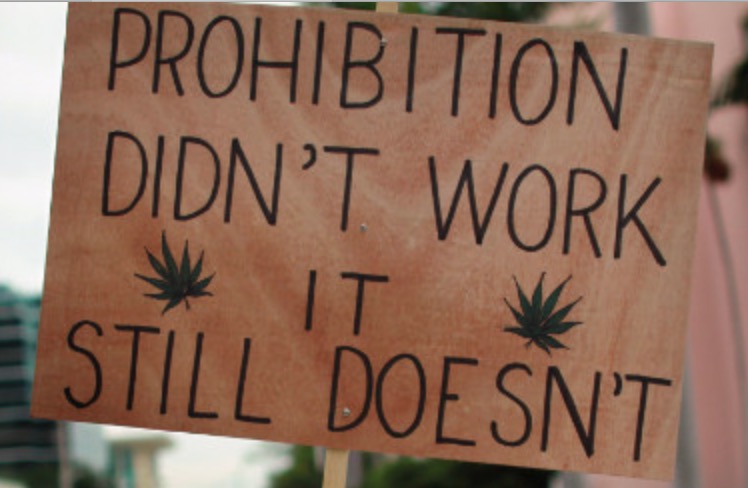
You’re at a festival and you ingest something a friend gave you. Cool, but you suddenly start to feel uneasy and sick.
You think, “I’ll be fine, a friend provided this”, but it finally dawns on you that you might’ve had too much or, worse yet, not what you intended to take. Next thing you know your world goes black.
You wake up in the hospital.
These type of occurrences happen more often than they should. Yet, the legal and political environment in our society does not allow for an open and honest discussion about the negative impact zero-tolerance policies pertaining to drugs can actually have.
In the United States these zero-tolerance policies usually begin in elementary school where 80% of school districts across the country advocate and run Drug Abuse Resistance Education, better known as D.A.R.E — a school-based drug education program that informs students from kindergarten to 12th grade about drug use, its consequences, and pushes them to “Just Say No”, all the while failing tremendously to talk about key and vital preventative measures.
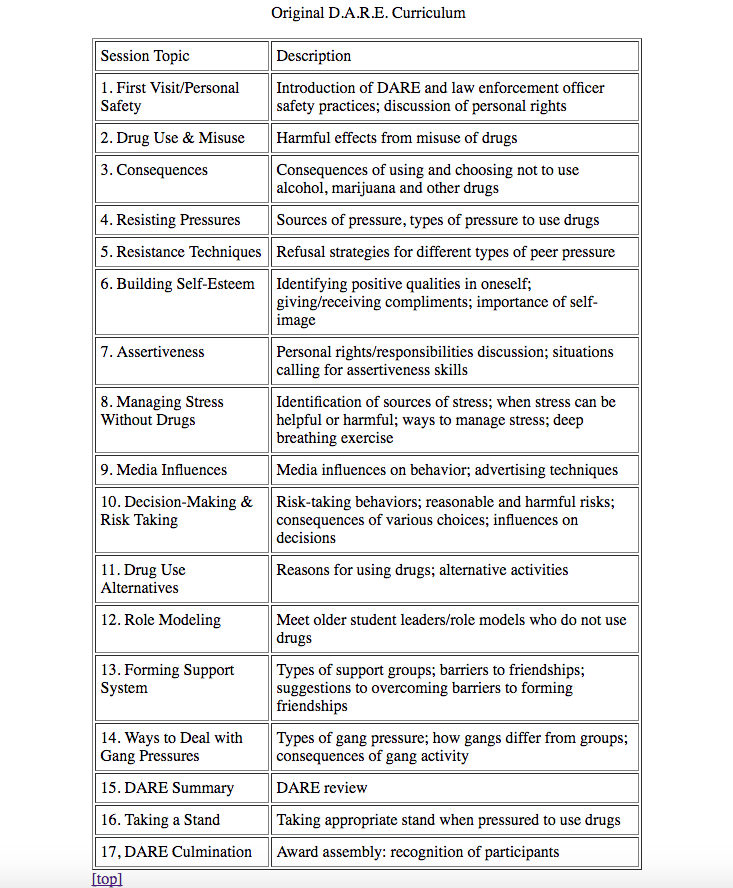
Official D.A.R.E Curriculum
In fact, studies clearly point to the fact that D.A.R.E. is a failing education program with 48.3% of 12th graders surveyed reported using an illicit drug during 2016.
Furthermore, because of the entire idealization that abstinence is the solution, festival and club owners are extremely weary and most of the time get disregarded in an attempt to create drug-safe zones. As an example, there are organizations like DanceSafe that are spearheading a movement to create safer environments at festivals with harm reduction and peer-based education initiatives, including free information about drug use safety, drinks with electrolytes, ear plugs, condoms, and drug testing.
Movement Detroit, Summer Set, Mysteryland, and Desert Hearts are North American festivals with open awareness of on-site drug consumption and willing to create drug-safe zones to minimize Emergency Room visits.
Yet despite positive trends on the matter, DanceSafe was asked to immediately shut down the booth at Electric Forest in June of 2015 when, after multiple complaints, top level event producers deemed that the initiative couldn’t be a part of the festival. The real issue? Still partially unknown