
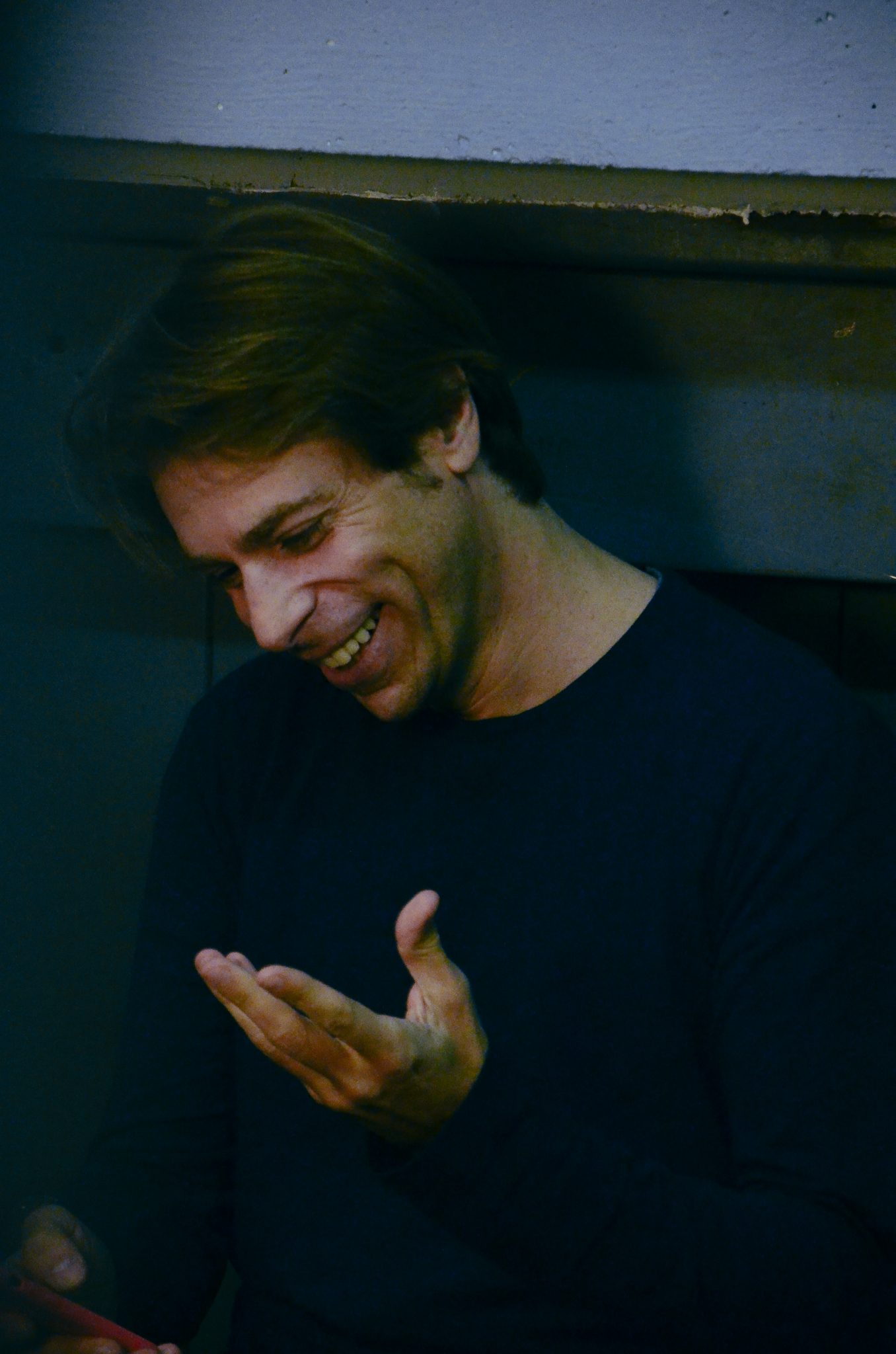
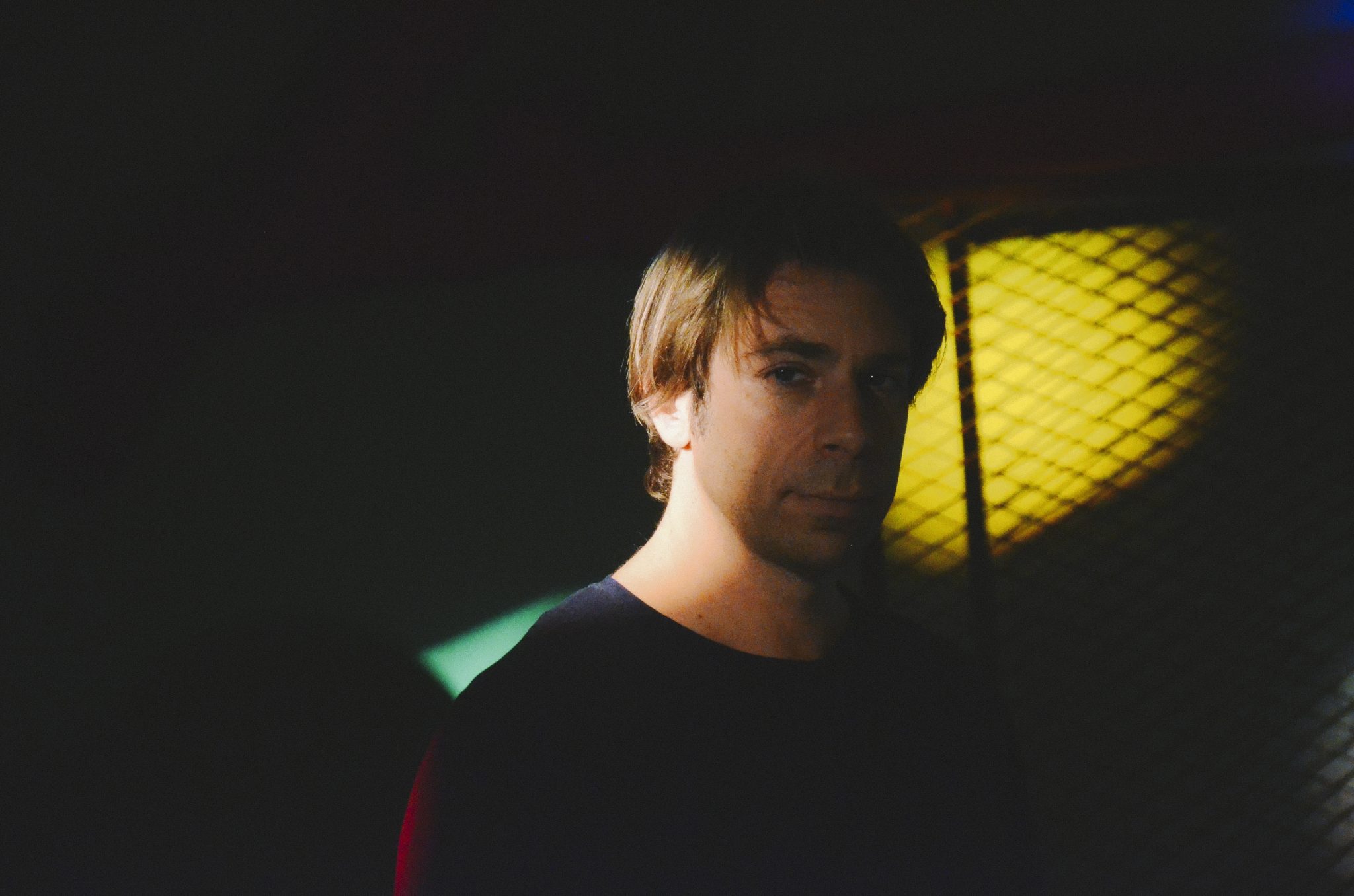
There are DJs, and then there are DJ’s DJs.
Julien Veniel, artist name D’Julz, is undoubtedly one of the latter – a true craftsman behind the decks whose true strongest skill is his ability to go beyond mere genres and trends, deciding instead to actively shape the ever-changing soundscape of electronic music through his own productions, DJ performances and parties.
Through a career spanning two and a half decades, D’Julz has practically done it all. He began spinning in Paris, often playing his home city’s much-talked-about early 90s raves and legendary clubs, all before moving to New York City in 1993 to further hone his skills and cement his reputation as a true taste-maker in his field. The rest, as they say, is history.
Next week he will embark on the latest North American Tour of his long career, beginning with a special show in Los Angeles at Couture, a night presented by Outspoken, Sacred Grounds and 6AM. Yet, despite finding himself in high demand in every corner of the globe, from the States to Japan and countless countries in between, D’Julz has always remained true to his roots in Paris, where he has been running the now legendary “Bass Culture” night at Rex Club since 1997.
I had the pleasure of talking with him head of his gig in Los Angeles for this first edition of “The Art of the Resident DJ” – an interview series that seeks to explore the quasi-sacred world of club residencies held by international-touring DJs.
You’ve been a resident DJ at Rex Club in Paris since 1997, a total of 20 years by next year! Congratulations, that is quite the feat. How did you first get the opportunity to hold that residency?
Thanks. It doesn’t feel that long to be honest, which is probably why I’m still as excited doing it now as I was in the first year. I actually started playing monthly at Rex in 1995 for a party called ‘Temple’, organised by former Rave promoters. When they stopped doing their party a couple of years later, the Rex management decided to keep their residents on to give them their own nights, et voilà!
Why did you choose to call your monthly party “Bass Culture”?
At this time I was very influenced by dub. I was listening to a lot of King Tubby, Linton Kwesi Johnson. ‘Bass Culture’ is the name of LKJ album and since my sound was way dubbier and more bass focused than most of other Parisian DJs, who at that time had both feet in the french touch (filter disco) sound, I felt it was an appropriate name for my night. After all, both genres of music (reggae and house) shared the same importance in both bass, and a sound system.
How has the club changed in the 19 years you’ve been a resident?
It hasn’t changed that much actually which is probably why I still feel at home. The sound system has only changed twice, and the design of the club only a few times. The staff change, and the management once but luckily the family spirit has always remained. New people who come to work at the club already know and respect its philosophy so don’t try to change things around too radically. The art direction evolves, but stays focused on discovering new talents without cutting out the clubs roots. I share the same vision in my career so it would explain why this marriage is lasting.
What is your selection process in inviting other artists to play Bass Culture?
It’s very simple. It has to be a fucking great DJ or live act, and obviously suit my musical taste. Most of the time I hear about new artists through their productions, but as much as I like his or her music, I would never invite them if I didn’t enjoy them a lot when seeing them DJ. I don’t care how “hype” they are. I’m super picky about this matter, but that doesn’t mean to say I’m not open minded musically, because I am. Even if my night has been mainly House focused, I have still invited techno guys like Rolando and Steve Rachmad in the past. Whether they are big acts or more underground acts doesn’t matter either. Some people might not see the common link between, let’s say, Seth Troxler and Praslea, or Sonja Moonear and Lil Louis. I think they’re all excellent DJs. It doesn’t matter which genre of music they are labeled with because most of them are way more eclectic than people might think they are.
In 2009 you chose to start a label by the same name of your residency, a powerful testament to the importance of Rex and the Bass Culture parties. How has the residency impacted your career